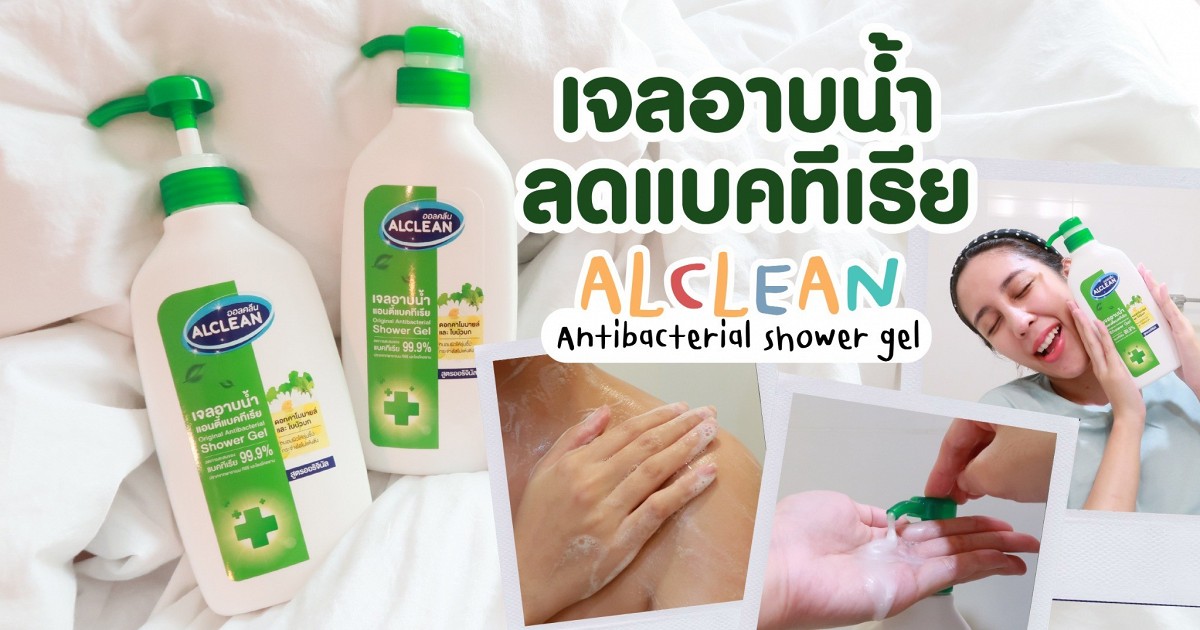
Does Shower Gel Kill Bacteria

Let’s be honest—most of us grab that bottle of shower gel without a second thought. It’s become a daily staple, a foamy escape from a long day, and a promise of that “just-sho...

Let’s be honest—most of us grab that bottle of shower gel without a second thought. It’s become a daily staple, a foamy escape from a long day, and a promise of that “just-showered” feeling. But beneath the lather and the fancy scent, a real question bubbles up: Does shower gel actually kill bacteria? The short answer is yes, but not in the way you might think. Unlike heavy-duty disinfectants, most shower gels work by physically washing germs away rather than nuking them on contact—a difference that really matters for your skin and your health.
Why does this even matter for you and your family? Because understanding this means you can stop overwashing with harsh antibacterials that strip your skin’s natural defenses. For parents, it’s a game-changer: you don’t need a special “antibacterial” soap to keep your toddler’s scraped knee clean. A good shower gel, combined with warm water and friction, lifts dirt and microbes off the skin and sends them down the drain. For the community, it means fewer trips to the doctor for skin infections and less resistance to real antibiotics—a win for everyone’s immune system.
Real life confirms this every day. Picture Ryan, a mechanic who comes home covered in grease and grime. He doesn’t reach for bleach—he scrubs with a tea-tree oil shower gel, and the lather itself traps and removes bacteria from his pores. Or consider Maria, a busy mom who uses a gentle, fragrance-free gel on her kids after park play. The rinsing action, not a chemical massacre, prevents playground germs from spreading to the family couch. These small habits build a bigger shield of hygiene without the harsh side effects.
Must Read
Ready to make this work for you? Start by reading the ingredient list—but don’t obsess over “antibacterial” claims. Instead, look for mild surfactants that lather well, like coco-glucoside or decyl glucoside. Focus on technique: wet your skin, pump a generous dollop onto a loofah, and scrub for at least 20 seconds (sing “Happy Birthday” twice). Let the gel sit for a minute, then rinse thoroughly. For extra bacteria-busting power, choose gels with tea tree oil, eucalyptus, or salicylic acid, which can help reduce acne-causing bacteria. And always pat dry with a clean towel—no rubbing, which can spread germs back onto the skin.
A final practical tip: don’t double-dip your loofah. Bacteria love damp mesh. Replace your loofah every month, or switch to a silicone scrubber that dries fast. Also, consider using a gel with pH-balanced formulas (around 5.5) to keep your skin’s microbiome happy—because killing all bacteria isn’t the goal; you want to keep the good guys alive for a healthy barrier.
 Does Shower Gel Kill Bacteria? - Biology For Everyone - YouTube
So, does shower gel kill bacteria? Yes—by physically removing them, and sometimes with gentle antimicrobial allies. It’s not a nuclear sanitizer, and that’s a good thing. When you lather up, you’re not just washing away sweat; you’re preventing staph, strep, and common cold viruses from hitching a ride into your body. Your family’s skin stays nourished, your community stays safer from superbugs, and your mornings feel a little more indulgent.
In a world obsessed with killing every germ, remember that balance is everything. Shower gel doesn’t need to be a weapon; it’s a gentle gatekeeper. So go ahead, pick your favorite scent, enjoy that steam, and rinse with confidence. You’re cleaning smarter, not harder—and that’s a win for your health, your schedule, and your peace of mind. Now, go get clean—and stay well.