Does Old Bay Seasoning Have Shellfish In It

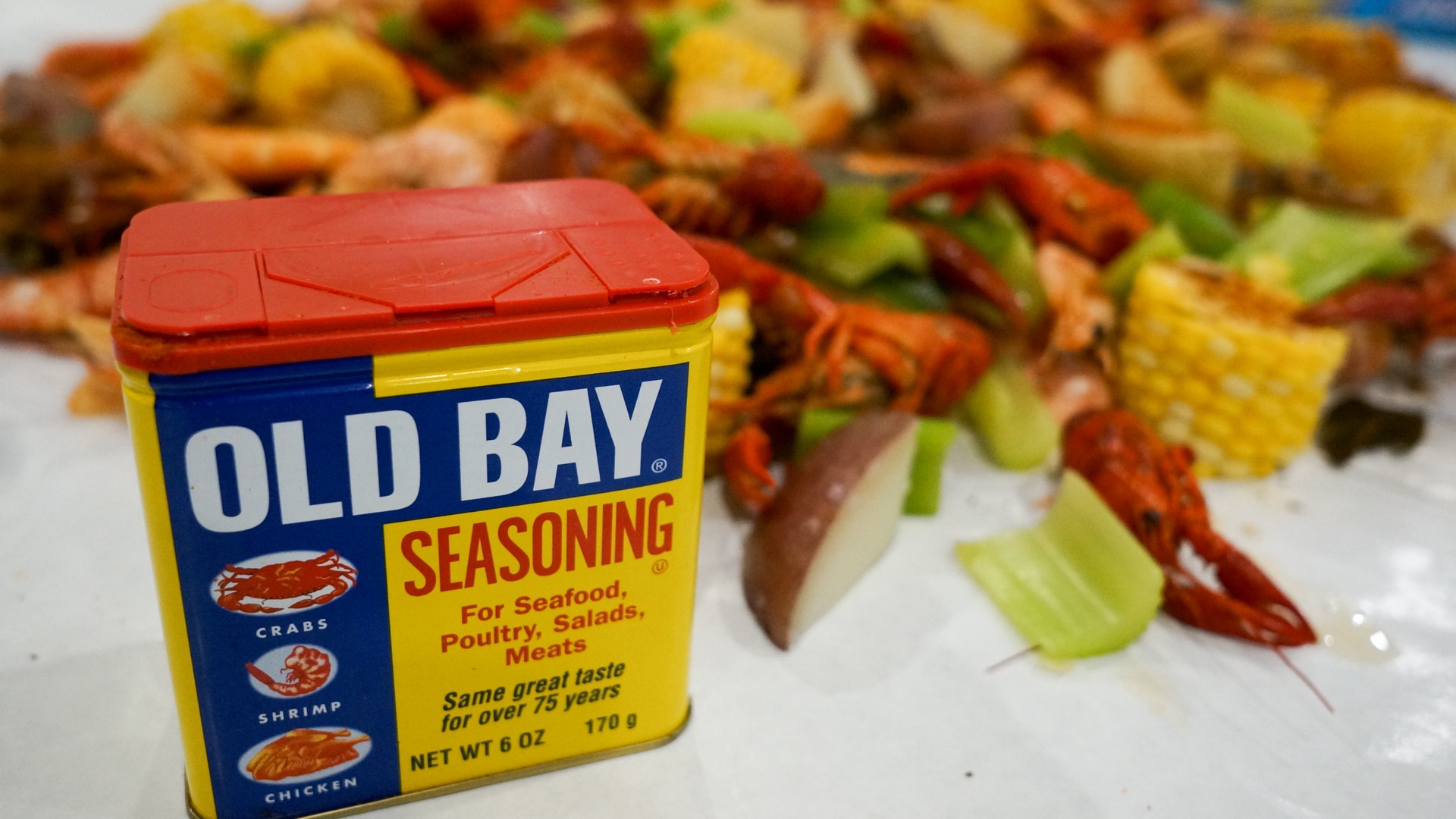
So, you’re standing in the spice aisle, a box of Old Bay in your hand, and a single, terrifying thought pops into your head: “Does this iconic, neon-orange powder actually con...
So, you’re standing in the spice aisle, a box of Old Bay in your hand, and a single, terrifying thought pops into your head: “Does this iconic, neon-orange powder actually contain shellfish?” It’s a question that has launched a thousand dinner-table debates, sparked frantic Google searches at 7 PM on a Friday, and caused at least one friend of mine to dramatically abandon a crab boil mid-scoop. Let’s get to the bottom of this crunchy, salty mystery, shall we?
First, the short and sweet answer: No, Old Bay Seasoning does not contain actual shellfish. You are not, in fact, sprinkling pulverized crab legs onto your fries. Phew. The FDA does not list it as an allergen for crustacean shellfish. But—and you knew there was a “but” coming—it’s a little more complicated than a simple “all clear.” The entire flavor profile of Old Bay is built around celery salt, paprika, black pepper, and a secret blend of 18 spices. That “secret” bottle is the stuff of legends, and it’s why we love it. But that very secrecy is also why people get nervous.
The confusion stems from two places. First, Old Bay was invented in 1939 by a German immigrant named Gustav Brunn in Baltimore, Maryland—the land of blue crabs. It was designed specifically to season seafood. For decades, this association has been so strong that many assume the powder must include ground-up shells for “authenticity.” It doesn’t. The second source of confusion is the presence of celery seed, which contains a compound that can taste subtly briny and “of the sea” to some palates. It’s a brilliant trick of flavor chemistry, not a secret shellfish handshake.
Must Read
Now, for my friends with severe allergies: here’s where we need to pay very close attention. While the spice blend itself is shellfish-free, the manufacturer, McCormick & Company, does process Old Bay in facilities that also handle crustacean shellfish (like shrimp and crab) and other major allergens. This means there’s a risk of cross-contamination. It’s a small risk, but a real one. McCormick’s official stance is clear: “Old Bay Seasoning does not contain shellfish as an ingredient, but we cannot guarantee it is completely free of shellfish traces due to shared equipment.” So, if you have a life-threatening allergy, please do not take my word for it. Check the label, call their consumer hotline, and make the call that’s right for your health.
:max_bytes(150000):strip_icc()/__opt__aboutcom__coeus__resources__content_migration__serious_eats__seriouseats.com__images__20110317-142296-old-bay-72cae41299e94f389bc1bebda81ee401.jpg) How to Use Old Bay Seasoning
How to Use Old Bay Seasoning
In other words, Old Bay is like that friend who looks like they just got back from a beach vacation, but they actually spent the weekend binge-watching cooking shows. It’s all smoke and mirrors—or, in this case, smoke and celery. You can keep sprinkling it on your popcorn, your roasted chicken, your avocado toast, and (the classic) your steamed shrimp with total peace of mind that you’re eating spice, not marine biology.
So, the next time someone at a cookout asks, “Hey, does this have crab in it?” you can confidently say, “Nope! It’s just wizardry.” And you’ll be right. The real magic of Old Bay isn’t in secret seafood ingredients; it’s in the way a simple blend of spices can make a Tuesday night feel like a summer party by the Chesapeake Bay. It’s a flavor of togetherness, of laughter, of messy napkins and happy bellies. So go ahead, shake it on with reckless abandon. Your fries are safe, your shrimp are happy, and your spice cabinet is about to become the most popular spot in the kitchen. Life’s too short to worry about invisible crabs—just enjoy the kick.