Does Mongolian Beef Have Nuts

There’s something genuinely satisfying about digging into a plate of Mongolian Beef—those tender, caramelized slices of flank steak, glistening with a sweet and savory soy-bas...

There’s something genuinely satisfying about digging into a plate of Mongolian Beef—those tender, caramelized slices of flank steak, glistening with a sweet and savory soy-based sauce. It’s a dish that feels both like a special treat and a reliable weeknight favorite. But if you’re cooking for someone with food allergies, or you’re just curious about ingredients, one question inevitably pops up: Does Mongolian Beef have nuts? It’s a practical and surprisingly enjoyable topic to explore because it sits right at the intersection of delicious food and everyday safety. Getting a clear answer helps home cooks, diners, and allergy-conscious families enjoy this classic dish without worry. For instance, a parent packing leftovers for a nut-free school lunch can breathe easier, while a restaurant-goer with a sesame allergy can order with confidence. Understanding this one detail makes a beloved meal accessible to more people.
The short answer is that traditional Mongolian Beef does not inherently contain nuts. The classic recipe—popularized in American Chinese restaurants, not actually Mongolian—is built around simple pantry staples: flank steak, soy sauce, brown sugar, garlic, ginger, and often a bit of cornstarch for that signature velvety coating. The sauce is thickened and enriched with ingredients like hoisin sauce or oyster sauce, but none of these standard components include peanuts, tree nuts, or nut-based oils. That’s great news for most nut-allergy households. However, it’s crucial to remember that the devil is always in the details. Some restaurants or homemade variations might incorporate toasted sesame seeds or sesame oil, which are seeds, not nuts—this distinction matters for certain allergies. Still, the foundational dish is nut-free by design.
Where things get interesting is in the variations you might encounter. Many modern chefs love to put their own spin on Mongolian Beef, and that’s when nuts can quietly sneak in. For example, a trendy take might add a sprinkle of crushed peanuts for crunch, or use cashew butter as a thickening agent in the sauce to add richness. You’ll also find recipes that call for almond flour in the coating instead of cornstarch for a gluten-free twist. When dining out, it’s always wise to ask your server specifically if any nuts are used in the sauce or as a garnish. A simple question like, “Does your Mongolian Beef contain peanuts or tree nuts?” can save a lot of stress. The key takeaway? Always verify, because one chef’s “secret ingredient” might be another person’s allergen.
Must Read
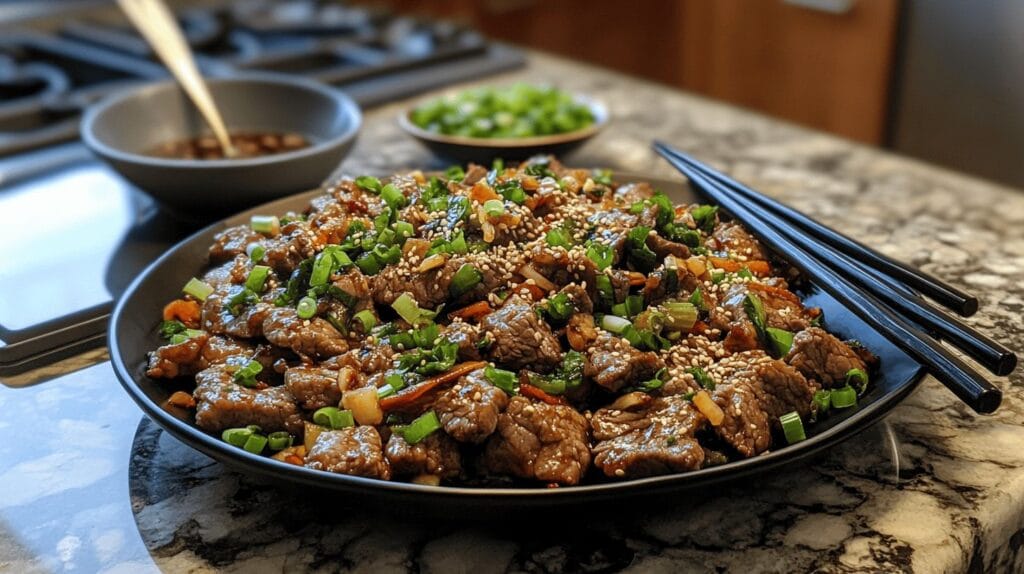
If you’re cooking at home, you have full control, and that’s the best part. Making Mongolian Beef from scratch is remarkably easy, and you can tailor it to be completely nut-free. Start with the classic base: slice flank steak thinly against the grain, toss it in cornstarch, and sear it until crispy. Then, whisk together soy sauce (use tamari for gluten-free), brown sugar, minced garlic, grated ginger, and a bit of water or broth. Simmer that until it thickens, toss in the beef, and you’re done. To add that nutty depth without actual nuts, try using a splash of toasted sesame oil at the very end—it mimics that warm, rich flavor profile without introducing allergens. You can also garnish with sliced green onions and a small handful of toasted sesame seeds (which are seeds, as noted). This version stays true to the original and keeps everyone at the table safe and happy.
 Deliciously Easy: Unleash the Flavors of Instant Pot® Mongolian Beef
Another simple tip for maximizing this dish is to pay attention to cross-contamination, especially if you share a kitchen. Even if your recipe is nut-free, using the same cutting board or pan that previously touched peanut butter or almond oil can introduce traces of allergens. A good practice is to dedicate a separate set of utensils and cookware for allergen-free cooking, or at least wash everything thoroughly with hot, soapy water between uses. Also, always check the labels on soy sauce, hoisin sauce, and oyster sauce—some brands manufacture them in facilities that also process nuts. Look for certifications like “nut-free facility” to be extra safe. These small steps turn a delicious meal into a genuinely worry-free experience.
Ultimately, the question “Does Mongolian Beef have nuts?” has a reassuringly simple answer—not usually, but always check. For nut-allergy families, this dish can be a reliable, flavorful staple. For home cooks, it’s a chance to experiment with umami-rich flavors without risk. For restaurant lovers, it’s a menu item worth ordering with a quick question. So next time you’re craving that sweet, savory, and slightly sticky goodness, go ahead and enjoy it. With a little awareness and a few tweaks, Mongolian Beef can remain a safe, crowd-pleasing favorite for everyone around the table. And really, isn’t that what good food is all about?