Does Microwaving Food Remove The Nutrients

Picture this: it's 9 PM, you're hungry, and your fridge has leftovers sitting pretty. You've got two choices — fire up the stove for 20 minutes or zap things in the microwave...
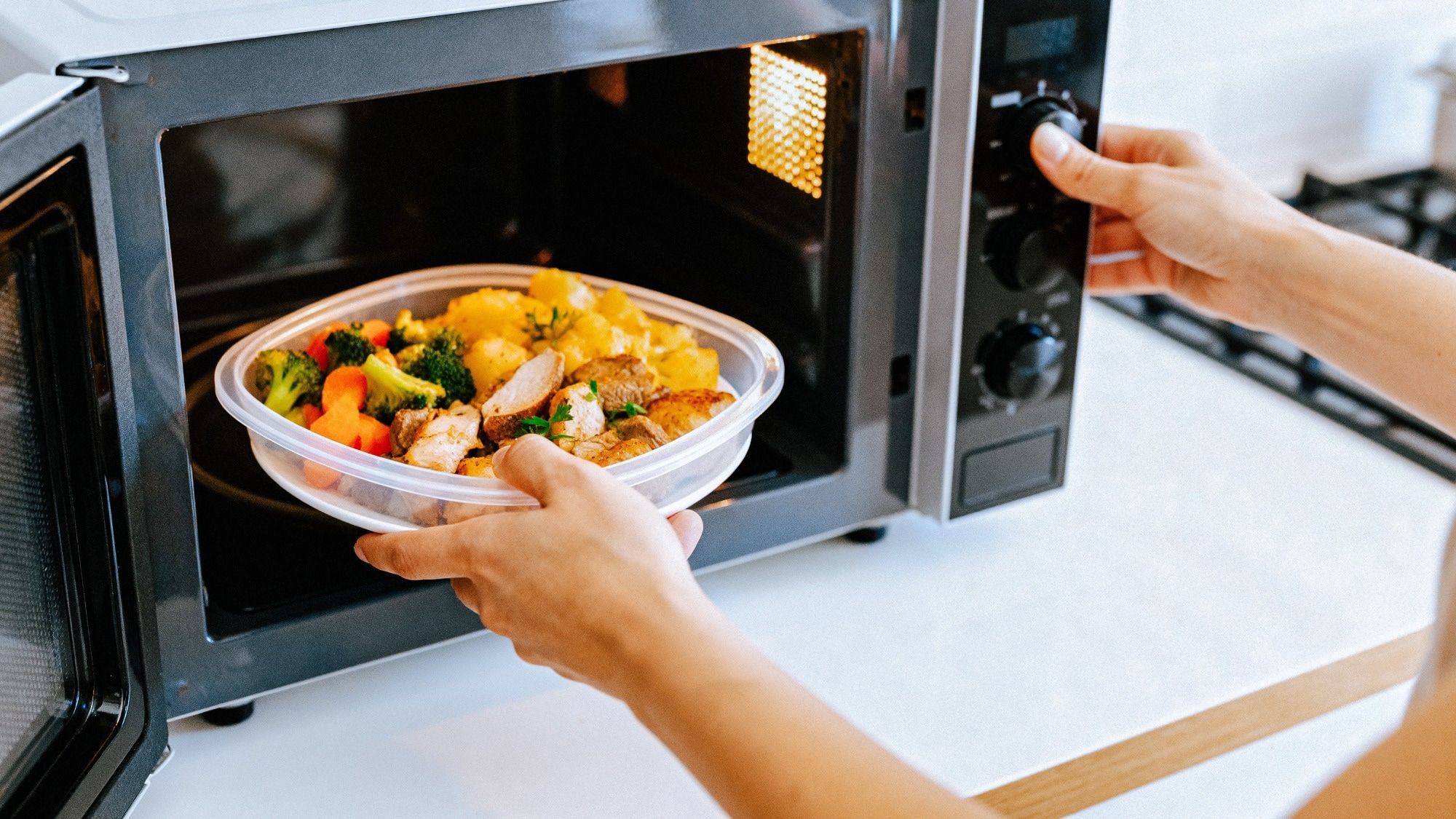
Picture this: it's 9 PM, you're hungry, and your fridge has leftovers sitting pretty. You've got two choices — fire up the stove for 20 minutes or zap things in the microwave for two. You've probably hesitated before, wondering if those rapid waves are secretly destroying your precious nutrients. Let's clear this up once and for all, shall we?
First things first, every cooking method affects nutrients to some degree. Boiling, grilling, steaming, roasting — none of them leave your food completely untouched. The real question isn't whether microwaving changes anything, but whether it's actually worse than the alternatives.
The Science Behind the Beep
Microwaves work by vibrating water molecules in your food, creating heat from the inside out. This process is remarkably fast, which means your food spends less time exposed to heat. Less time cooking often equals fewer nutrient losses — surprise, right?
Must Read
Heat-sensitive vitamins like vitamin C and B vitamins tend to break down when they're cooked for a long time. Since microwaving usually takes just a couple of minutes, those nutrients can actually stay put. Studies have shown that microwaved vegetables sometimes retain more water-soluble vitamins than their boiled counterparts.
And here's a fun fact: boiling vegetables in water can cause nutrients to literally leach out into the water. If you toss that water down the drain, you're throwing away vitamins faster than a toddler tossing dinner off a high chair. Microwaving with a splash of water or simply using the food's own moisture sidesteps that problem entirely.
So Why Does Everyone Think the Microwave Is the Bad Guy?
A lot of the myths floating around come from confusion with radiation fears. Let's be clear: the radiation from a microwave is non-ionizing, which means it doesn't strip atoms apart or make your food radioactive. It just warms things up rapidly and efficiently.
 Does Microwaving Food Destroy Its Vitamins? - YouTube
People also tend to romanticize traditional cooking methods, assuming grandma's stove-top casserole must be inherently superior. But here's the thing — even roasting and frying involve high heat that can degrade certain delicate vitamins. Cooking is cooking, and some level of nutrient movement is simply part of the process.
There's also a cultural sneer around microwaves — like they're the shortcut version of a "real" cook's toolkit. Funny how we often celebrate efficiency in every other corner of life but distrust it when dinner's on the line. You work hard enough; let the microwave do some of the heavy lifting.
When Microwaving Actually Wins
Consider reheating a bowl of veggies — microwaving beats several minutes on a stovetop with barely any extra water. Your broccoli isn't stewing; it's getting a quick, gentle heating session that preserves its crunch and its vitamin C content. That's a win in anyone's book.
 Microwaves vs. Cooking: Is microwaving your food killing its nutrients
If you're melting cheese or warming a casserole, precision matters. Microwaves let you control time down to seconds, giving you better control over the cooking process than an oven that's been preheating for half an hour. You're not just cooking — you're being strategically smart.
And think about energy efficiency for a second. A microwave uses far less electricity than a conventional oven for a comparable job, and it heats up in a fraction of the time. Saving energy while keeping your food nutritious? That's a double win.
The Complete Picture Is What Matters
No single cooking method gives you perfectly preserved nutrients across the board, and that's just reality. What matters far more is eating a variety of colorful foods in the first place. If you're piling vegetables, fruits, lean proteins, and whole grains onto your plate regularly, you're already way ahead of the game.
:max_bytes(150000):strip_icc():format(jpeg)/Does-Microwaving-Your-Food-Destroy-Nutrients-ed0e64c9282540ccb6eca55620761f8f.jpg) Does Microwaving Your Food Destroy Its Nutrients? - Heart of Violet
Does Microwaving Your Food Destroy Its Nutrients? - Heart of Violet
The obsession with finding one "perfect" way to cook often distracts from the bigger goal of just eating well and enjoying food. Nutrition is built through consistent habits, not one reheated meal or one perfect steamed vegetable. Whether you microwave, sauté, or eat it raw, the goal is simply to eat more plants.
Bottom line? Microwaving is one of the gentlest, quickest, and most nutrient-friendly cooking methods available to you. So go ahead — reclaim that two-minute lunch, and know full well that nothing sinister is lurking behind your appliance's little door. The microwave is not your enemy; it might just be your quiet hero.
And here's the truly exciting part: every food question like this one opens up a doorway into a world that's endlessly fascinating. The more you explore what's really happening on your plate, the more confident and joyful you become about feeding yourself and the people you love. So keep asking, keep reading, and keep your curiosity turned on and humming — because there's always something wonderful waiting to be learned.
