Does Jasmine Rice Taste Different Than White Rice

Welcome, rice lovers and curious cooks! Have you ever stood in the rice aisle, staring at a bag of jasmine rice next to a bag of standard long-grain white rice, and wondered,...
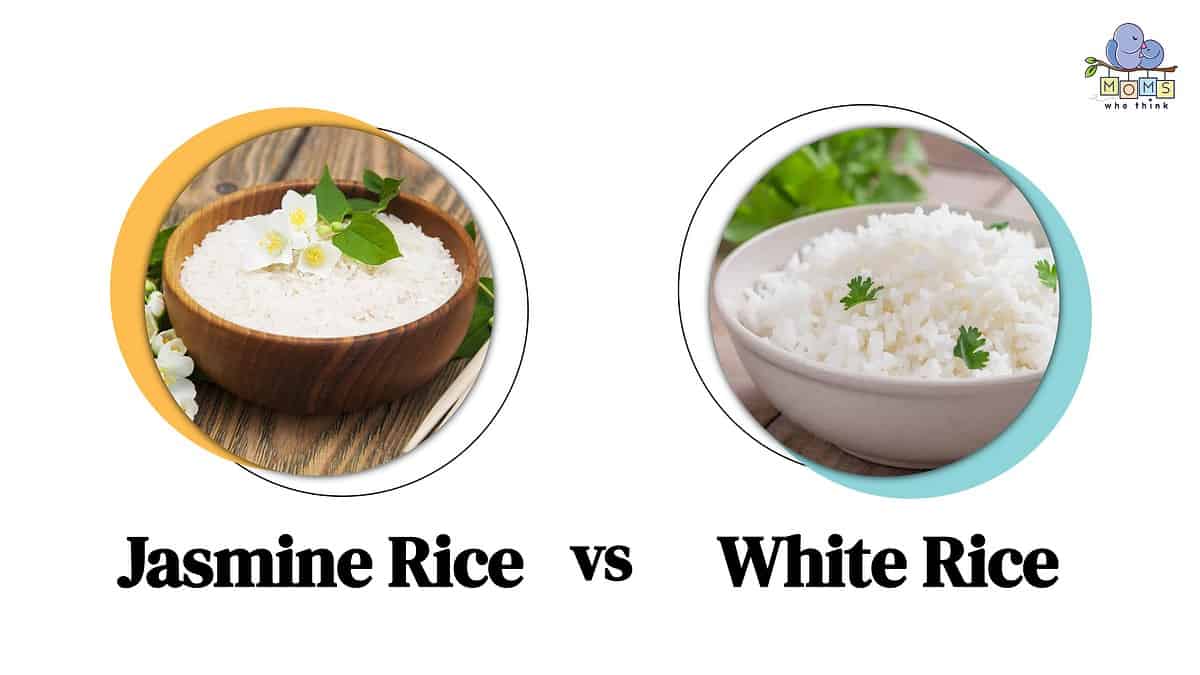
Welcome, rice lovers and curious cooks! Have you ever stood in the rice aisle, staring at a bag of jasmine rice next to a bag of standard long-grain white rice, and wondered, “Is there really a difference?” You are not alone. This isn’t just a trivia question—it’s a gateway to transforming your meals from ordinary to exceptional. Understanding the difference between jasmine and plain white rice is like learning a secret kitchen shortcut. It helps you choose the perfect grain for every dish, saves you from soggy stir-fries, and even makes your dinner smell like a fragrant garden. The purpose here is simple: give you the knowledge to become a rice pro. The advantage? Every meal you make will taste better, look better, and be more fun to eat.
Let’s start with the most obvious difference: smell and flavor. Standard white rice, whether it’s Carolina or a generic store brand, has a very neutral, clean flavor. It’s a blank canvas, perfect for soaking up sauces and broths. Jasmine rice, on the other hand, is naturally aromatic. Its name comes from the jasmine flower, but the scent is more like a combination of pandan leaves and a soft, floral popcorn. When you cook jasmine rice, your whole kitchen fills with a gentle, sweet perfume. This isn’t added—it’s a natural compound called 2-acetyl-1-pyrroline. So, if you take a bite of plain white rice, you mostly taste the dish it’s in. Take a bite of jasmine, and you taste the rice itself, a subtle but distinct nutty-sweet note that elevates everything from curries to grilled fish. Bottom line: jasmine brings its own personality to the table, while white rice politely stays in the background.
Now, let’s talk about texture and cooking behavior. This is where the difference really hits your fork. Standard long-grain white rice (like your basic Uncle Ben’s converted or plain American white rice) cooks up fluffy, separate, and a bit firm. Each grain stands alone, making it ideal for dishes where you want distinct grains, like in a pilaf or alongside a saucy stew. Jasmine rice, especially the premium Thai variety, is a different beast entirely. It has a slightly higher starch content and a softer grain structure. When cooked correctly, jasmine rice is fluffy but with a subtle, tender clinginess. It’s not sticky like sushi rice, but the grains hold together just enough to be perfect for scooping up with a fork or chopsticks. Have you ever had rice that was too dry and crumbly for a stir-fry? That’s standard white rice. Jasmine’s slight moisture and softness make it a champion for Thai, Vietnamese, and Indian dishes, where it soaks up coconut milk or spicy sauces without turning to mush.
Must Read
Here’s a creative idea to see the difference visually. Cook up a cup of jasmine rice and a cup of standard white rice in separate pots, using the same water-to-rice ratio (let’s say 1.5 cups water to 1 cup rice). Once done, fluff them gently with a fork. Place a small scoop of each side-by-side on a dark plate. Look closely: the standard white rice grains are opaque, long, and separate like little dry beans. The jasmine grains are more translucent, slightly shorter and plumper, and they have a subtle sheen, almost like they’ve been lightly oiled. Now, press down on each with your chopstick. The standard white rice springs back; the jasmine rice compresses ever so slightly. This is the “squish test”, and it shows you exactly why jasmine is amazing for dishes like fried rice (where it retains a tender chew) while standard white rice works better for something like Cuban black beans and rice, where you want distinct grains.
But does the price and variety matter? Absolutely. Standard white rice is often cheaper because it’s mass-produced and less fragile. White jasmine rice costs a bit more because it’s grown in specific regions (mostly Thailand and Vietnam) and requires careful handling to preserve its aroma. A crucial tip: don’t confuse “jasmine” with “basmati”—basmati is another aromatic rice, but it’s dry, fluffy, and sticks less, used in Indian biryani. Also, be aware that some cheaper “jasmine” rices are blends or don’t have the full fragrance. Pro tip: buy jasmine rice from a brand that specifies “100% Pure Thai Jasmine” from a reputable source. And always check the harvest date; fresher jasmine rice smells much stronger. Another practical tip: always rinse both types of rice before cooking. Rinse standard white rice once or twice to remove surface starch. For jasmine rice, rinse it gently two to three times until the water runs mostly clear—this prevents it from becoming gummy or gluey, which can happen if you skip this step.
 Enriched Rice Vs. Regular: What’S The Difference? – MHIM
Now, let’s get into cooking methods. For standard white rice, a simple stovetop or rice cooker method works great: 1 part rice to 1.5 parts water, brought to a boil, then simmered for 18 minutes. For jasmine rice, the water ratio is slightly different: use 1 part jasmine rice to 1.25 parts water. Because jasmine is more delicate, too much water makes it mushy. A trick I love: cook it with a piece of pandan leaf (if you can find it) or a drop of coconut milk for extra flavor. And here’s a fun test: next time you make a Thai green curry, serve it over jasmine rice. Then, the next day, serve the same curry over standard white rice. You will instantly taste how the aromatic sweetness of jasmine complements the spicy, herbal notes of the curry, while the plain white rice simply holds the curry. It’s a night-and-day difference that makes the jasmine rice feel like part of the dish, not just a side.
Let’s address one final point: can you substitute one for the other? Yes, in a pinch, but with consequences. If a recipe calls for jasmine rice and you use standard white rice, your dish will lack that floral aroma and tender texture. It will still be edible, but it won’t be as exciting. If a recipe calls for standard white rice (like for a creamy risotto or a crispy rice cake) and you use jasmine, it might turn out too soft or break apart. My advice: keep a bag of each in your pantry. Use standard white rice for plain meals, side dishes, and when you want a neutral base. Use jasmine rice for any Asian-inspired dish, for special dinners, or whenever you want your kitchen to smell amazing. It’s a small investment that delivers huge flavor dividends. Try it tonight: cook up a simple batch of jasmine rice, eat it with butter and salt, and notice the difference. You’ll never look at a boring white grain the same way again.
In the end, the question isn’t really “Does jasmine rice taste different?”—it’s “How much better can it make my meal?” The answer: a lot. Jasmine rice offers a fragrant, tender, and flavorful experience, while standard white rice is reliable, neutral, and firm. Both have their place, but understanding the difference gives you creative control over your cooking. So next time you’re at the store, grab that bag of jasmine rice. Give it a rinse, cook it with a little less water, and savor the floral aroma. Your taste buds—and your dinner guests—will thank you. Now go forth and rice with confidence!
