Does Freezing Whiskey Affect Its Taste Or Aroma?

Whiskey is a drink that brings people together, whether it’s a quiet nightcap or a lively gathering with friends. Freezing whiskey is a common practice, but does it mess with...
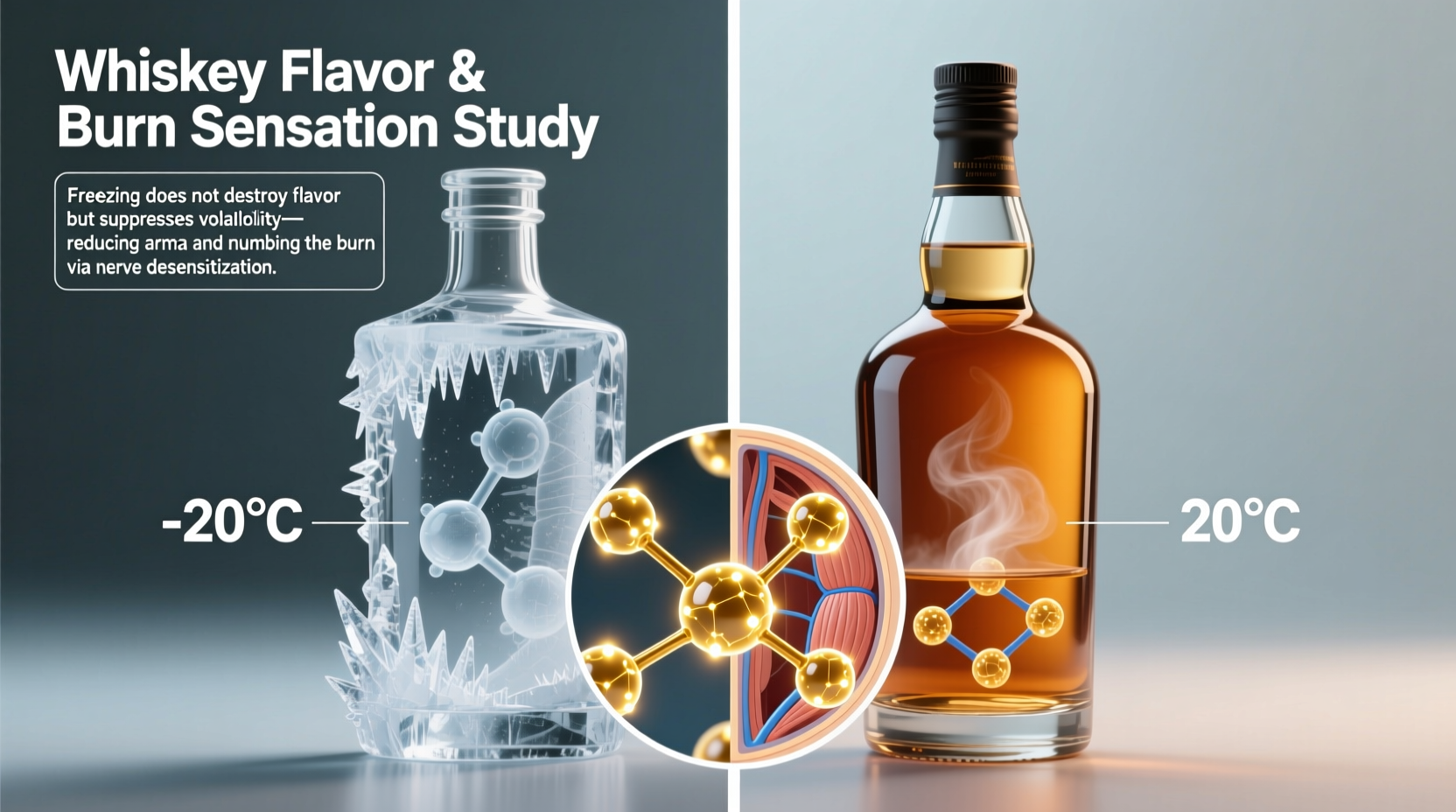
Whiskey is a drink that brings people together, whether it’s a quiet nightcap or a lively gathering with friends. Freezing whiskey is a common practice, but does it mess with that rich taste and aroma you love? The answer matters because how you serve your whiskey can make or break a shared experience. For individuals, it’s about getting the most flavor from every sip. For families and communities, it’s about elevating those moments—like toasting at a reunion or unwinding after a long week—into something more memorable. Think of a dad carefully pouring a chilled dram at a barbecue, or a group of coworkers clinking glasses after a big project. The real question isn’t just about science; it’s about enjoyment.
When you freeze whiskey, the temperature drops significantly, and that changes how your taste buds and nose pick up flavors. Cold numbs your palate—it’s a basic biological fact. As a result, the subtle notes of vanilla, oak, or caramel that make a whiskey special become harder to detect. For a person savoring a single malt alone, this can turn a nuanced sipping experience into something flat. In a family setting, imagine serving frozen whiskey at a holiday dinner; the aroma you’d normally catch—like a whiff of honey or spice—fades into the cold, and everyone misses out. It’s like dimming the lights in a room full of art. Real life example: a friend once froze a bottle of bourbon for a camping trip, and everyone complained it tasted “like cold alcohol.” That’s the loss.
However, freezing does not change the chemical composition of whiskey—it won’t degrade the alcohol or the oils that carry flavor. So the taste and aroma bounce right back once it warms up. This matters for practicality and sharing: if you’re pouring whiskey for a crowd at a party, a cold pour can be refreshing without ruining the bottle. Families often freeze whiskey for cocktails or on the rocks, where the cold is welcome. For example, a community potluck might feature frozen whiskey used in a punch—the chill mixes well with other ingredients, and the aroma isn’t the star anyway. The key is knowing when cold helps versus when it hurts. One trick: freeze a single glass, not the whole bottle—that way you control the temperature per serving.
Must Read
For readers who want to preserve both taste and aroma, here’s a simple suggestion: use whiskey stones or a large ice cube instead of freezing the liquid. Chilling without dilution keeps the nose strong and the palate alive. Another option is to store your whiskey at a cool room temperature—around 60°F—and pour it over a single, slow-melting ice sphere. That way, you get the cold sensation without shocking the flavor. At a family dinner, set out a carafe of room-temperature whiskey and a bowl of ice on the side; let everyone customize. This small change can transform a routine drink into a ritual. Real world example: my uncle does this at his annual barbecue, and guests always comment on the smoothness—even when he uses an affordable blend.
The community benefit here is huge: when you avoid freezing your whiskey, you’re ensuring that shared experiences stay rich and engaging. Imagine a book club where the host serves frozen whiskey—everyone sips, shrugs, and moves on. But with a chilled glass of the same whiskey at a proper temperature, people pause to smell, discuss the hints of toffee or peat, and bond over the discovery. That connection matters. Freezing doesn’t ruin the whiskey, but it can diminish those magical moments we share. For individuals, it’s about personal satisfaction; for families, it’s about creating memories that linger.
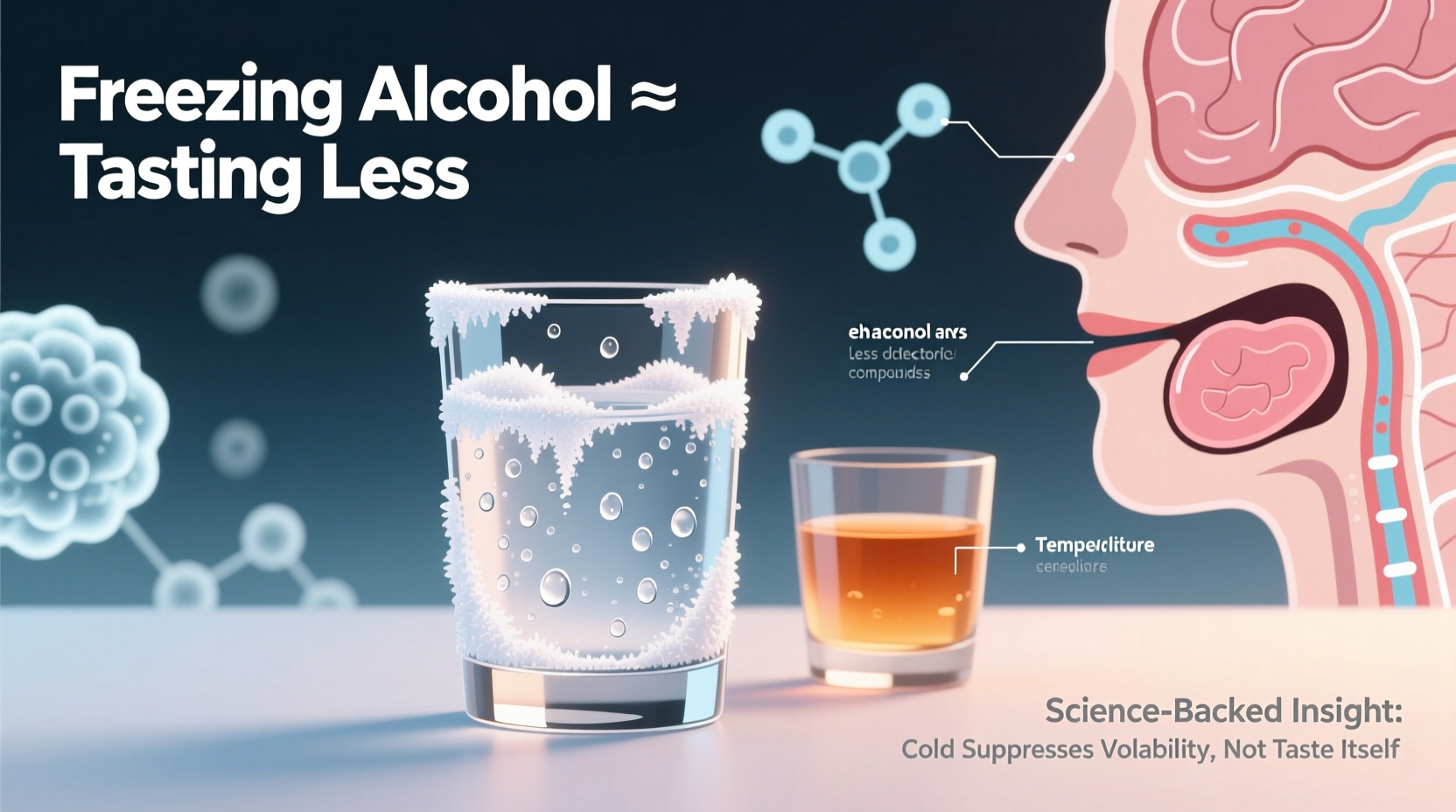 Does Freezing Alcohol Really Mute The Taste Science-backed Answer
In practical terms, avoid freezing premium or aged whiskeys you plan to drink neat. Those are the ones where aroma is half the experience. Instead, save freezing for mixing or for budget bottles where the profile is less complex. If you’re at a party and see a frozen bottle, don’t panic—just let it sit for a few minutes after pouring. Patience is your best tool. A friend once taught me to hold the glass in my hand for a moment before sniffing; the heat from your palm releases those trapped aromas. That simple habit works wonders for anyone, from a novice to a seasoned sipper.
Ultimately, freezing whiskey is not a sin, but it’s a choice that requires awareness. The beauty of whiskey is its versatility—chilled, on the rocks, or room temperature, it adapts to the moment. For individuals, the takeaway is: know your whiskey and your goals. For families and communities, it’s about embracing the ritual of drinking together, with all the flavors and smells that make it special. Don’t let a cold bottle steal your joy. Next time you’re about to stash a bottle in the freezer, pause and consider: do I want this sip to be stunning or just cool? With a little thought, every pour can bring a little more warmth to your table. Raise a glass to smart sipping.
