Does E Coli Die When Cooked

You know that moment when you’re staring at a package of raw chicken, and you wonder, “If I cook this long enough, will I be safe?” It’s a question we’ve all asked ourselves w...
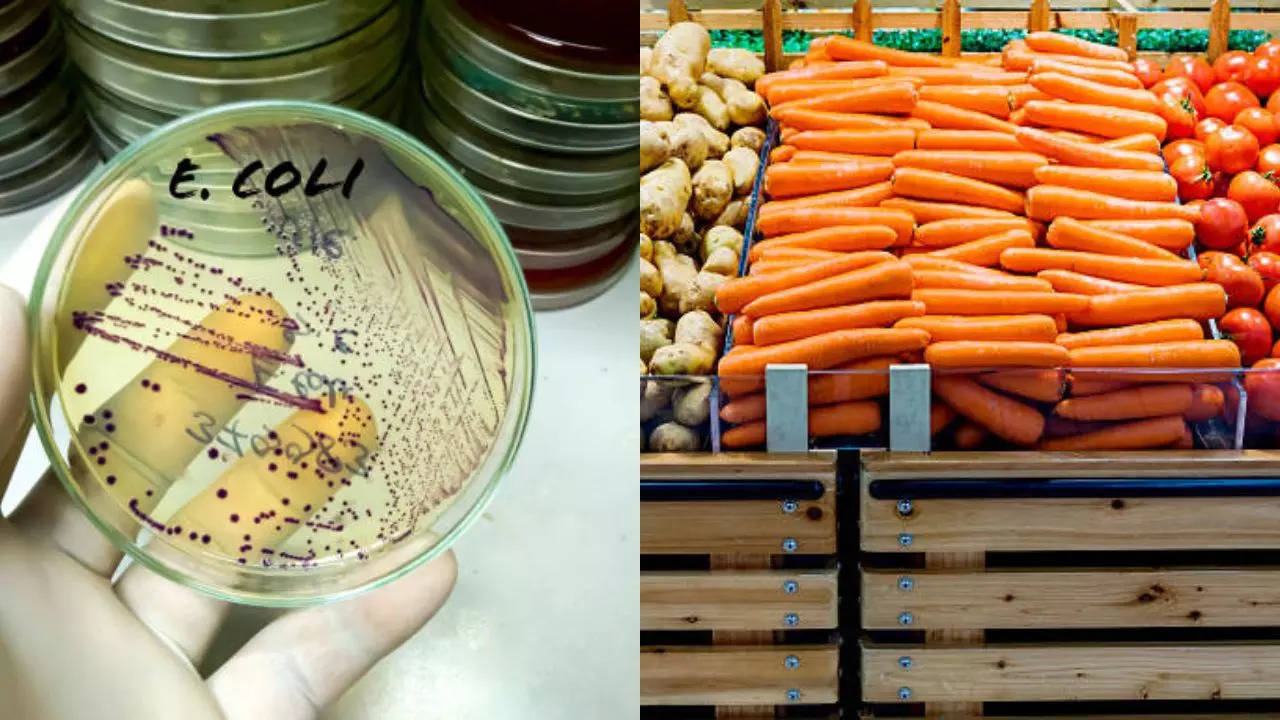
You know that moment when you’re staring at a package of raw chicken, and you wonder, “If I cook this long enough, will I be safe?” It’s a question we’ve all asked ourselves while eyeballing the timer. Well, let’s talk about one of the biggest kitchen worries: E. coli. And the short, comforting answer is: yes, cooking kills it—but only if you do it right.
Think of E. coli like a tiny oven-dwelling vampire
Imagine E. coli as a microscopic vampire that really, really hates heat. When you crank up the stove or grill, you’re basically throwing sunlight at it. The magic number is 160°F (71°C) for most meats. That’s when the heat makes the bacteria’s proteins fall apart, and it dies for good—no coming back.
But here’s the kicker: color doesn’t tell you the truth. You can’t just cut into a burger and say, “It’s brown, so we’re good.” I once made a burger that looked perfect on the outside but was still suspiciously pink inside. That’s when you need a food thermometer—it’s your trusty heat detective.
Must Read
The “pink vs. safe” confusion that gets us all
I remember grilling burgers with my dad, and he’d always say, “If it’s pink, it’s not done.” But guess what? Some ground beef can stay pink even at 165°F because of chemical reactions. So trust the temperature, not the color. It’s like judging a book by its cover—you’ll get fooled every time.
For example, E. coli loves hanging out in ground meat because the bacteria gets mixed throughout. A whole steak is safer on the inside because the germs are mostly on the surface. So a rare steak? Usually fine. A rare burger? That’s a gamble.
What about veggies? Yes, they need heat too
We don’t just worry about meat. Remember that bag of spinach you forgot in the fridge? E. coli can sneak into lettuce, sprouts, and unwashed produce. Cooking those veggies—like sautéing spinach or roasting peppers—kills the bacteria just as effectively.
But if you’re eating a raw salad, you need to wash those leaves like you’re giving them a spa day. Even then, some bacteria hide in the crevices. So if you’re worried, a quick blanch or steam is a superhero move. Think of it as giving your vegetables a warm hug that also saves your stomach.
Your fridge is your first line of defense
Heat kills E. coli, but cold just puts it to sleep. That turkey you thawed on the counter? Bacteria can double every 20 minutes in the “danger zone” (40°F–140°F). So if you’re cooking chicken at 5 PM that you left out since lunch, you might be roasting a bacterial party.
 Escherichia Coli Sensitiv Symptome – VJUT
I once defrosted ground beef on the counter for a few hours, then cooked it thoroughly. The heat killed the bacteria, but the toxins they produced? Those can survive high heat. That’s why you should never trust your nose—spoiled meat smells funky even after cooking. If in doubt, throw it out.
The simple rule: get it hot, keep it hot
So here’s your kitchen mantra: 160°F for ground meat, 165°F for poultry, and 145°F for whole cuts like steak. Use a thermometer—they cost about the same as a fancy coffee. Stick it in the thickest part, and wait ten seconds. That’s it.
Leftovers? Reheat them to 165°F too. I once reheated chili and just nuked it until it was “steamy.” Bad move. Now I stir and check the temp in the center. It takes 30 seconds, and it’s the difference between a cozy dinner and a night hugging the toilet.
Why you should care (without panicking)
Look, E. coli can ruin your week—diarrhea, cramps, and sometimes even kidney damage in kids or older adults. But the good news is that you are in control. A little caution when you cook is like wearing a seatbelt: you don’t think about it until it saves your life.
And hey, no one expects you to be a food scientist. You just need a cheap thermometer, a little patience, and the knowledge that heat is your friend. So next time you’re grilling or roasting, remember: you’re not a chef—you’re a germ-fighting superhero with a spatula.
Now go cook that burger with confidence. And maybe give it a little temperature check. Your stomach will thank you later.
