Does Cuba Belong To The Us

Cuba & The US: A Tale of Two Neighbors Ever wondered why Cuba, that vibrant Caribbean island, doesn't have a 'Made in USA' sticker? Despite being just 90 miles off Florida's...

Cuba & The US: A Tale of Two Neighbors
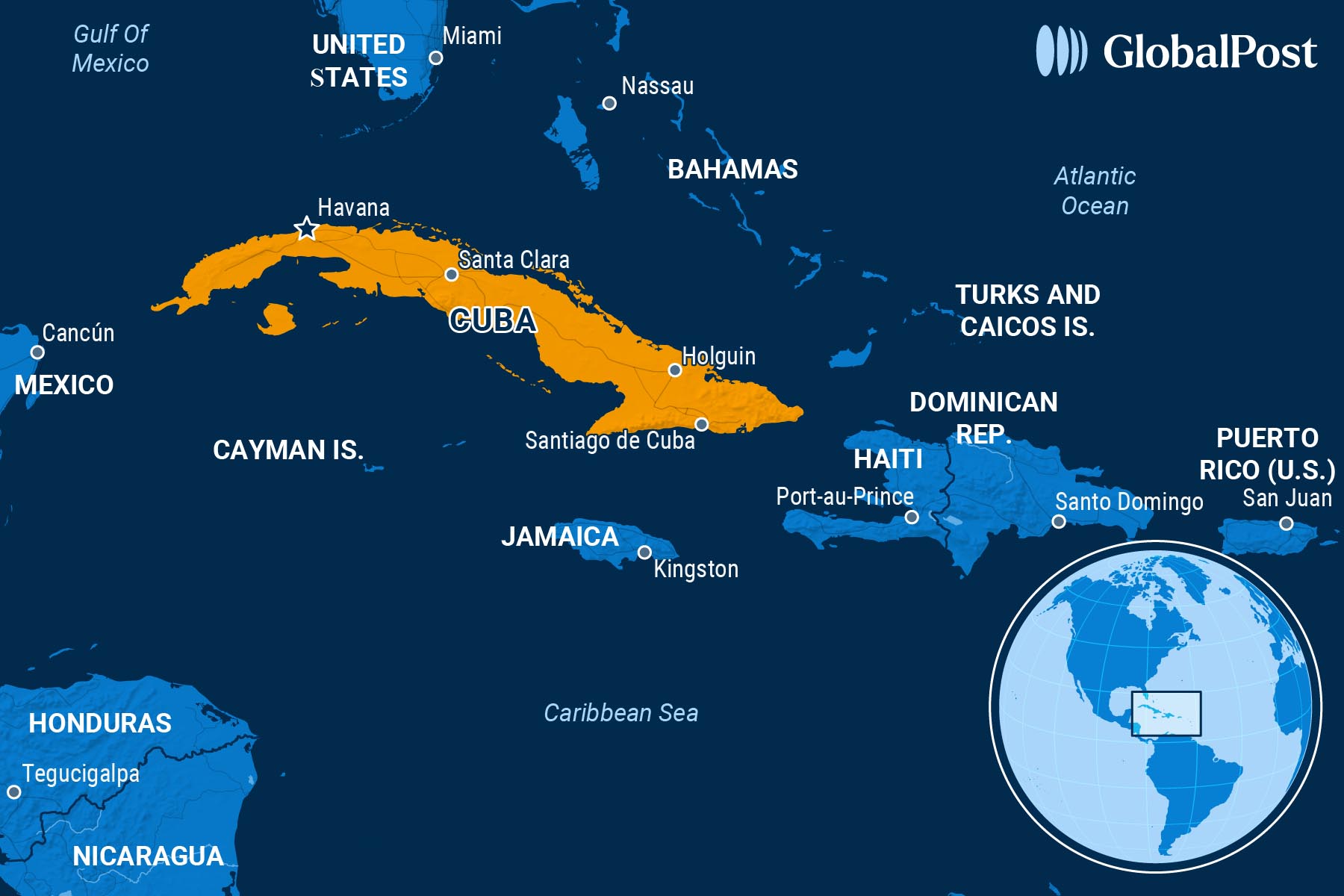
Ever wondered why Cuba, that vibrant Caribbean island, doesn't have a 'Made in USA' sticker? Despite being just 90 miles off Florida's coast, Cuba's relationship with the US is as complex as a Cuban mojito. Let's dive in, grab a Cuba Libre (that's a rum and Coke to you), and explore this intriguing neighbor.
History's Twist & Turns
Imagine you're at a high school dance, and the popular kid (US) asks the new kid (Cuba) to dance. They hit it off, but then the popular kid gets jealous of the new kid's independence and, well, things get awkward. That's a simplified version of the US-Cuba relationship. After Cuba gained independence from Spain in 1898, the US had a significant influence, but tensions rose, leading to the Cuban Revolution in 1959.
Enter Fidel Castro, who nationalized US-owned businesses and aligned Cuba with the Soviet Union. The US wasn't thrilled, imposing an embargo that's still in place today. It's like that high school dance ended with a massive food fight, and no one's willing to clean up yet.
Must Read
Cuba Today: A World Apart
Fast forward to 2021, and Cuba is a time capsule of vintage American cars, salsa music, and pastel-colored buildings. It's like stepping into a 1950s movie set, with classic Chevys and Fords cruising the streets. But don't let the retro vibe fool you; Cuba's got its own beat, from its unique blend of African and indigenous cultures to its world-renowned healthcare and education systems.
Cubans are known for their resolver, a knack for making do with what they have. You'll see it in the way they maintain their classic cars, create art from found objects, or even hack together Wi-Fi hotspots in public squares. It's a testament to their resilience and resourcefulness.
US-Cuba Relations: Thawing Out?
In 2014, President Obama and Cuba's Raúl Castro announced they'd restore diplomatic relations. It was like they'd finally agreed to share a milkshake after that dance floor food fight. Obama visited Cuba in 2016, becoming the first US president to do so in nearly 90 years. But progress has been slow, and the embargo remains.
President Biden has signaled a willingness to engage with Cuba, but it's a delicate dance. Many Cuban Americans, especially in Florida, support the embargo. Meanwhile, some Cubans want more political freedom and economic reforms. It's a complex tango, and only time will tell if these two neighbors can find a rhythm.
 Rare Protests Erupt in Cuba Amid Power Cuts Worsened by US Oil Blockade
Visiting Cuba: Tips from the Street
If you're thinking of visiting Cuba, here are some tips. First, bring cash; credit cards and ATMs are hit-and-miss. Second, embrace the sin embargo (without the embargo) lifestyle. That means slow down, chat with locals, and enjoy the moment. Third, try the lechon asado (roast pork) and mojitos. Your taste buds will thank you.
And finally, be prepared for the unexpected. Cuba's a place where a 1950s car might break down, but the driver will fix it with a bit of wire and a prayer. It's a place where a dance can turn into a food fight, and where neighbors can take 60 years to make up. But that's what makes Cuba, Cuba.
Reflection: Neighbors & Change
Cuba and the US have been neighbors for centuries, yet their relationship has been anything but neighborly. But change is possible, even if it takes time. It's like that high school dance; sometimes, you have to wait for the right song to come on before you can start dancing again.
In our daily lives, we might face similar situations - disagreements with friends, misunderstandings with family, or conflicts at work. But remember, change takes time, and progress isn't always linear. It's like Cuba's classic cars; they might break down, but with a bit of tinkering, they can run again. So, let's be patient, keep communicating, and maybe, just maybe, we can find our rhythm again.
