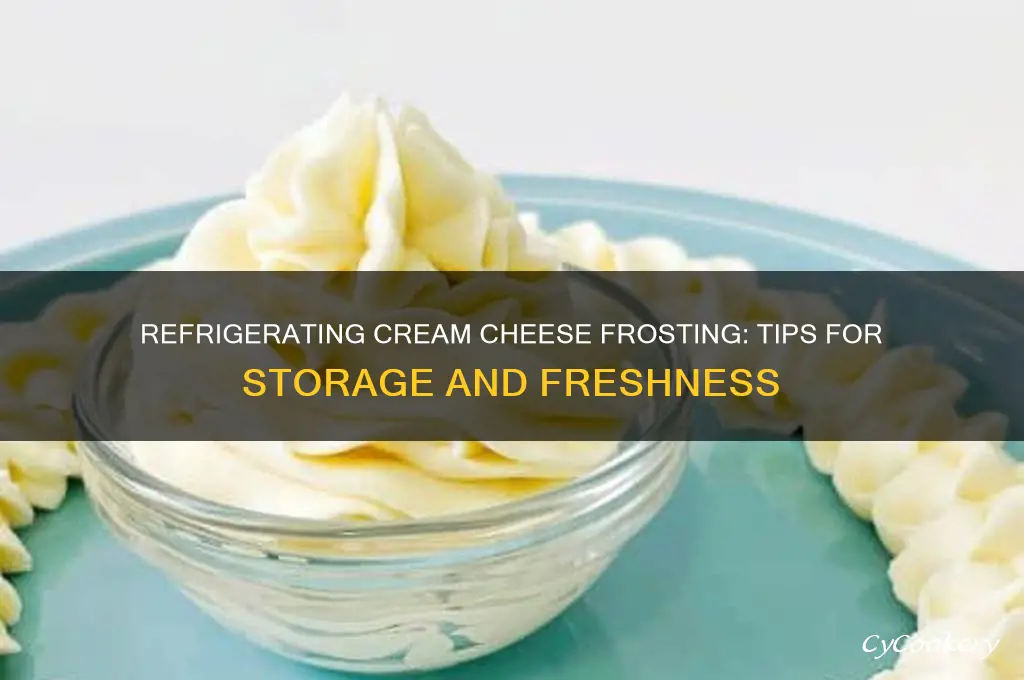
Does Cream Cheese Frosting Freeze Well

Cream cheese frosting is one of the most beloved and versatile toppings in the world of baking. Whether spread over a moist carrot cake, layered between red velvet cupcakes, o...

Cream cheese frosting is one of the most beloved and versatile toppings in the world of baking. Whether spread over a moist carrot cake, layered between red velvet cupcakes, or swirled onto a simple sheet cake, its rich, tangy flavor adds something truly special to treats. Given how much effort goes into making the perfect batch, many home bakers wonder: does cream cheese frosting freeze well? The answer has real implications for anyone who likes to plan ahead, bake in batches, or simply avoid waste.
The reason this question matters extends well beyond the kitchen counter. For busy families, freezing leftover frosting means less last-minute stress when celebrations pop up unexpectedly. For community groups organizing bake sales or church events, being able to prep frosting days or weeks in advance saves enormous amounts of time and energy. It also means fewer trips to the grocery store and less food thrown away—benefits that both your wallet and the environment will appreciate. In a world where time is precious and resources are stretched thin, knowing how to store frosting properly is a small but genuinely useful skill.
So, does it actually freeze well? In short, yes, cream cheese frosting freezes reasonably well, though it does come with a few caveats. Because of its high moisture content from both the cream cheese and butter, some separation and textural changes can occur after thawing. The frosting may become slightly grainy or watery at first. However, with the right approach, you can minimize these issues and still end up with a smooth, spreadable result. Many professional bakers freeze cream cheese frosting regularly without any problem, provided they follow a few proven steps.
Must Read
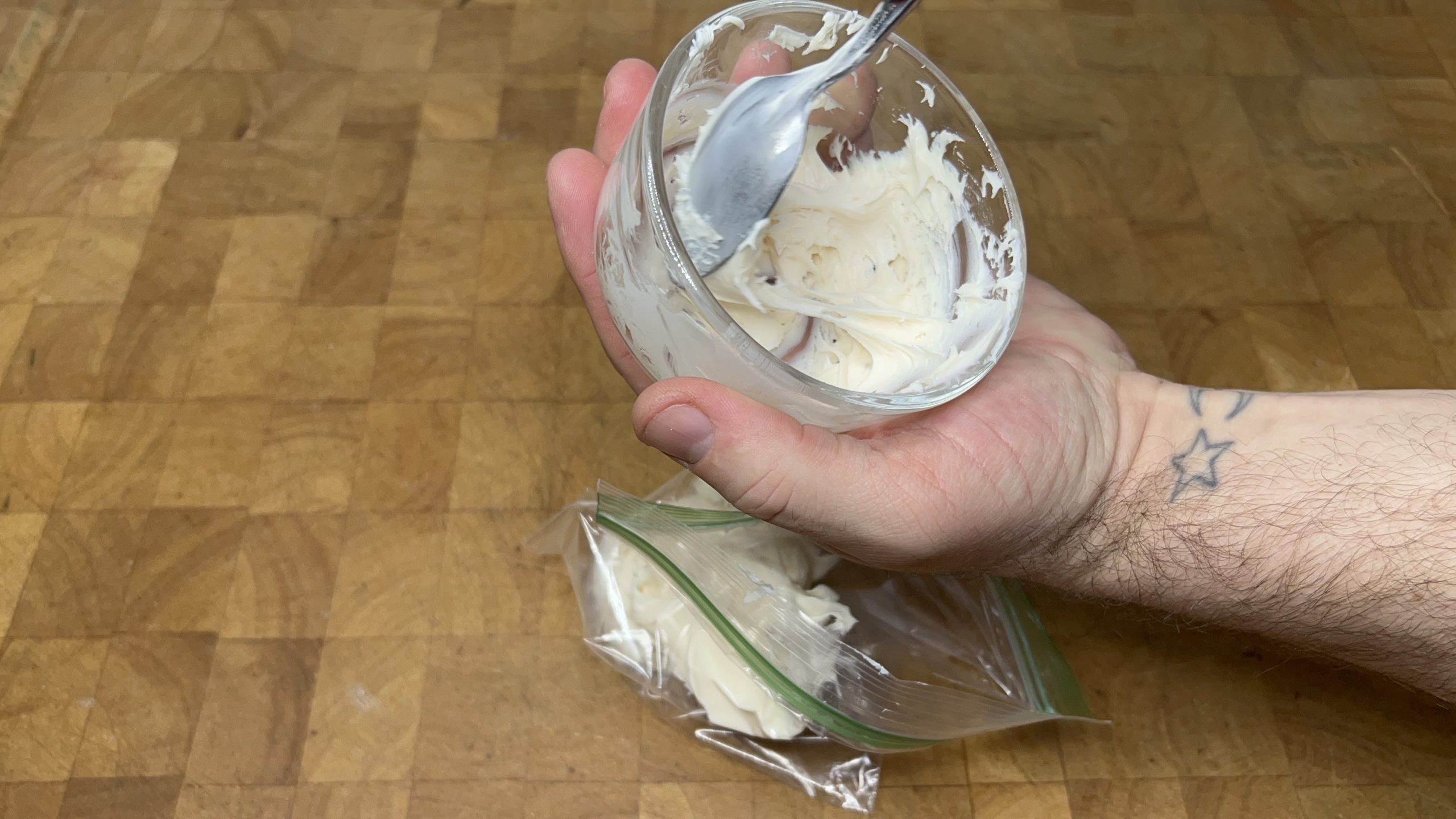
To freeze cream cheese frosting effectively, start by placing it in a clean, airtight container or wrapping it tightly in plastic wrap before sealing it in a freezer bag. Squeeze out as much air as possible to prevent freezer burn. Label each container with the date so you can keep track of freshness—frosting generally holds up for up to three months in the freezer. When you're ready to use it, move the frozen frosting to the refrigerator and let it thaw slowly overnight. This gradual process helps preserve the original texture far better than microwaving, which can cause uneven melting and a melted mess.
Once thawed, give the frosting a good stir—or even a quick whip with a mixer—to bring it back to a smooth consistency. If it seems a little too soft or runny, you can pop it back into the refrigerator for twenty to thirty minutes to firm it up before spreading. Do note that cream cheese frosting is not ideal for very intricate piping designs once thawed, as it tends to be softer than a freshly made batch. For everyday spreading and simple decorations, however, it works beautifully. A great real-world example: many parents freeze a double batch of frosting during the holidays, then thaw one portion for a quick birthday cake and keep the other for cupcakes later in the week.
 Can You Freeze Cream Cheese Frosting? - My WordPress
Practical tips to help you get the most out of freezing cream cheese frosting include: always frost the cake before freezing it together with the frosting already applied for the best results, avoid anything with added mix-ins like nuts or sprinkles before freezing, and never refreeze already thawed frosting—use it within two to three days after it has thawed. If you find yourself baking for a large gathering, having a frozen stash ready to go can turn a potentially overwhelming task into an easy, enjoyable one.
In the end, being able to freeze cream cheese frosting is a practical, reassuring bit of kitchen knowledge that serves everyone from the casual weekend baker to the dedicated home pastry chef. It empowers you to plan ahead, reduce waste, and spread joy through desserts without the panic of last-minute prep. So the next time you find yourself with extra frosting left in the bowl, you can confidently box it up and send it to the freezer knowing your future self—or your loved ones—will be grateful. Happy baking!