Does Cornbread Have To Be Refrigerated

Cornbread has been a beloved staple across American kitchens for generations. Its warm, crumbly texture and subtly sweet flavor make it a crowd-pleaser at family dinners, holi...

Cornbread has been a beloved staple across American kitchens for generations. Its warm, crumbly texture and subtly sweet flavor make it a crowd-pleaser at family dinners, holiday gatherings, and backyard barbecues alike. Whether you grew up eating it alongside a bowl of chili or discovered it later as a comforting side dish, cornbread holds a special place on the table. But once you've baked a fresh pan and everyone's had their fill, a natural question arises: does cornbread actually have to be refrigerated? The answer isn't as straightforward as you might think, and understanding the reasoning behind it can help you keep every slice fresh, safe, and delicious for days to come.
The short answer is that cornbread doesn't have to be refrigerated if you plan to eat it within one to two days. Because cornbread is typically made with simple ingredients—cornmeal, flour, eggs, butter, and buttermilk or milk—it doesn't contain heavy preservatives that would slow down spoilage at room temperature. If stored properly in a sealed container or wrapped tightly in plastic wrap at room temperature, cornbread will remain perfectly enjoyable for a short period. Many home bakers simply cover their pan with aluminum foil or place the loaf in a bread box on the counter, and that's more than enough for a couple of days. This is a practical approach for busy families who know they'll finish the batch quickly and don't want to bother with extra steps.
However, if you've made a large batch and need it to last longer than two days, refrigeration becomes a smart choice. Cornbread made with real dairy—such as buttermilk, milk, or melted butter—contains moisture and nutrients that can accelerate the growth of mold and bacteria when left out for extended periods. Covering the cornbread tightly with plastic wrap or placing it in an airtight container before refrigerating can extend its life to up to a week. This is especially useful during the holidays when you might bake multiple pans ahead of time. For example, a grandmother preparing Thanksgiving dinner often bakes cornbread dressing a few days early and stores it safely in the fridge to save time on the big day.
Must Read
Freezing is another excellent option for anyone who likes to plan ahead or wants to avoid waste. Cornbread freezes remarkably well and can maintain its quality for up to three months when wrapped tightly in plastic wrap and then placed in a freezer-safe bag. When you're ready to enjoy it again, simply let it thaw in the refrigerator overnight or warm it gently in the oven at 300 degrees for about fifteen minutes. This method works beautifully for college students living off campus who want homemade cornbread on hand, or for anyone who finds a sale on fresh ingredients and decides to bake a big batch to save for later. Freezing also locks in the moisture, so you don't have to worry about the cornbread drying out.
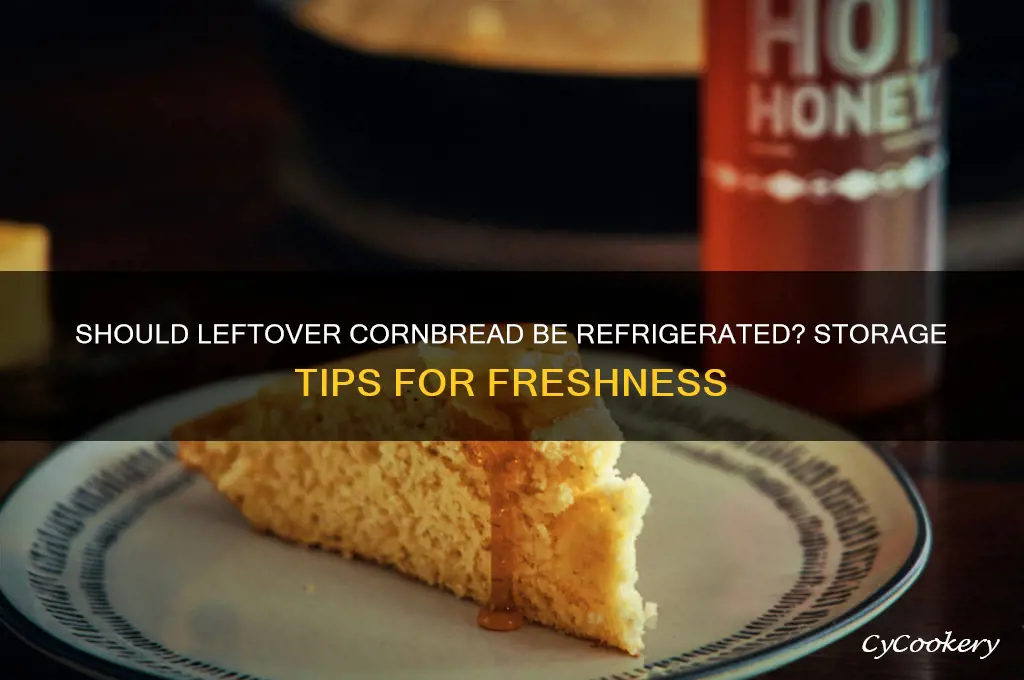 Should Leftover Cornbread Be Refrigerated? Storage Tips For Freshness
It's worth noting that other factors can influence whether refrigeration is necessary. Climate and temperature play a significant role—during hot and humid summer months, cornbread left on the counter may spoil much faster than it would during cooler months. Additionally, if your kitchen tends to be warm or if you live in a region with high humidity, erring on the side of caution and refrigerating early is a wise decision. Homemade cornbread without preservatives is always more vulnerable than store-bought varieties, so paying attention to your environment matters more than you might expect. A simple sniff and visual check before eating can also help you determine if your bread has gone past its prime.
To make cornbread freshening easy, consider these practical tips: store it in an airtight container rather than a loosely wrapped plate, slice only what you need to minimize exposure to air, and bring cold cornbread to room temperature before reheating so the texture stays soft rather than gummy. If you're serving cornbread at a potluck or community event, keep it in a cooler until you're ready to serve. These small habits can make a big difference in how long your cornbread stays at its best, and they take very little effort on your part.
 Should Mexican Cornbread Be Refrigerated? Storage Tips For Freshness