Does Corn On The Cob Go Bad

You know that feeling. You’re at the grocery store, and the corn on the cob is piled high like a golden mountain. You just have to buy a few, imagining a backyard barbecue wit...
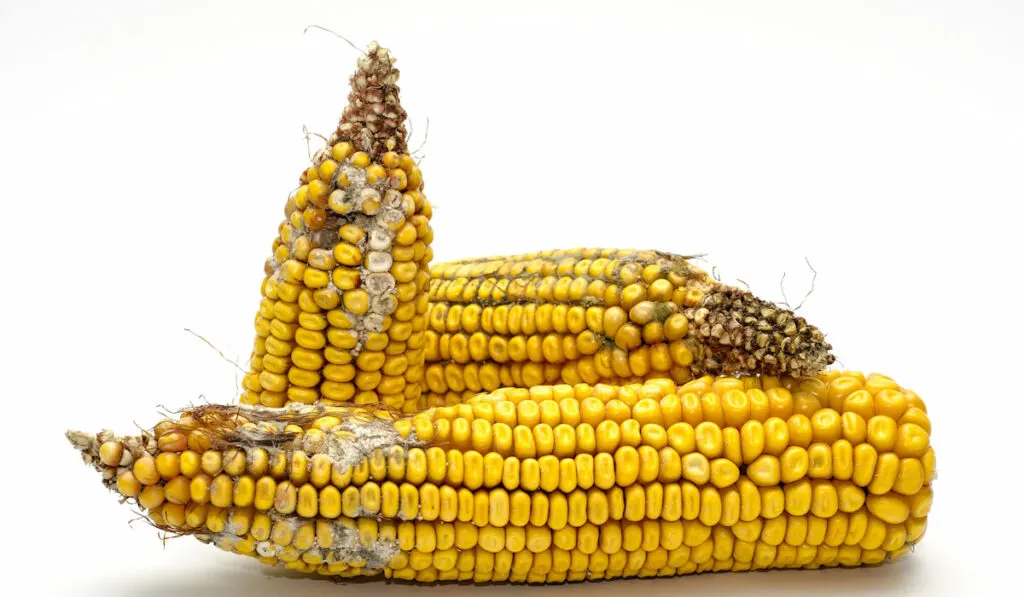
You know that feeling. You’re at the grocery store, and the corn on the cob is piled high like a golden mountain. You just have to buy a few, imagining a backyard barbecue with butter dripping down your chin. But then life gets busy, and those ears of corn sit in your fridge for a week.
Suddenly, you’re staring at them, wondering: does corn on the cob actually go bad? The short answer is yes, my friend, it absolutely does. And it happens faster than you might think.
Think of fresh corn like a high-maintenance friend. It’s wonderful when it’s fresh, but it gets cranky and tired pretty quickly. Unlike a potato that can chill in your pantry for weeks, corn is a sugar-packed vegetable that starts losing its sweetness the second it’s picked.
Must Read
How to tell if your corn has turned
Let’s play detective. First, look at the husk. A fresh ear of corn has a bright green, tight husk that feels a little damp. If the husk is dried out, brown, or feels like paper, that’s your first clue.
Next, check the silks—those little hair-like strands at the top. Fresh silks are sticky and pale gold or brown. If they are black, mushy, or smell funky, the corn is likely past its prime.
Now, peel back the husk a bit. Look at the kernels. Plump, juicy kernels that pop when you press them are a good sign. But if you see shriveled, dimpled, or slimy spots, that corn is a no-go.
The smell test never lies
Imagine you’re opening a jar of pickles. That vinegary, fresh smell is normal. Now imagine a sour, almost rotten smell. That’s the smell of corn that has turned. Give your corn a good sniff at the top where the silks are.
If it smells like damp grass or earth, you’re fine. But if it hits you with a whiff of mold or sour milk, trust your nose and toss it. Your stomach will thank you later.
I once forgot a bag of corn in the back of my fridge for two weeks. When I finally found it, the husk was sticky and the kernels were actually oozing a little liquid. I’m not ashamed to say I threw the whole thing in the trash without even opening it fully. Sometimes, self-preservation is key.
How to make your corn last longer
You bought that corn for a reason, right? Let’s help it stick around. The fridge is your corn’s best friend, but only if you treat it right. Don’t shuck it yet—the husk protects the kernels from drying out.
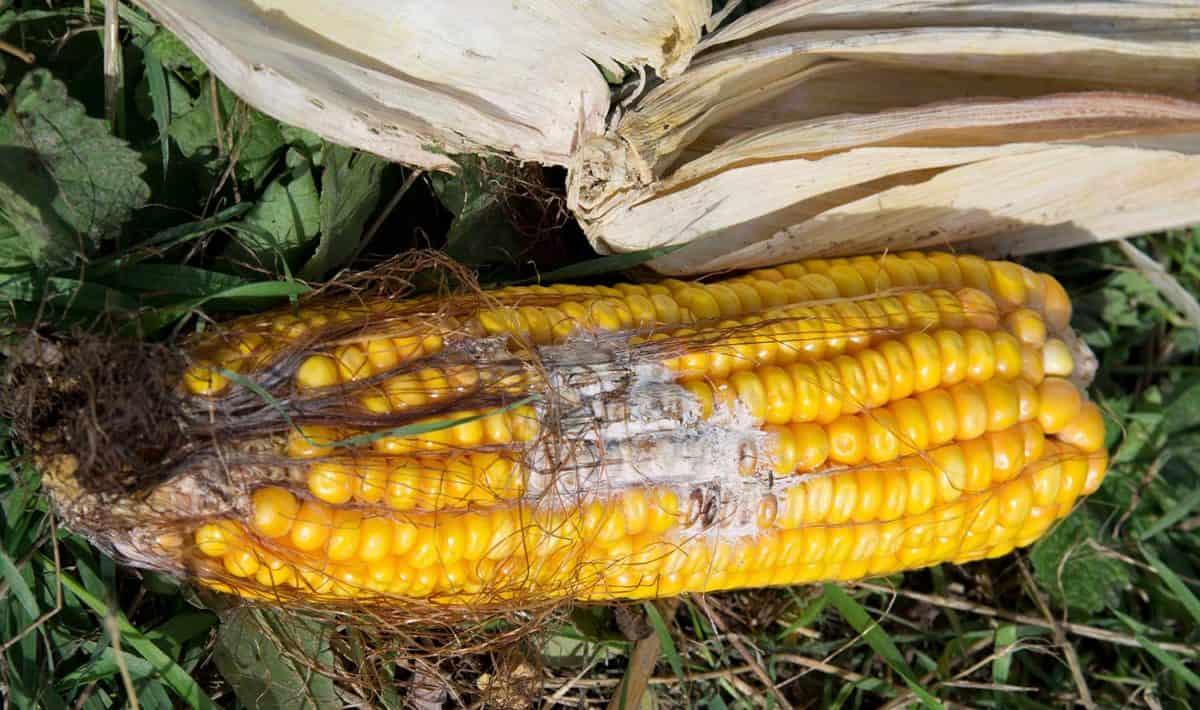 How Long Does Corn On The Cob Last? – Kitchen Seer
Store whole, un-shucked ears in a plastic bag in your crisper drawer. This keeps them humid without getting slimy. They’ll stay good for about three to five days that way.
If you have more corn than you can eat, blanch and freeze it. Boil the ears for four minutes, plunge them into ice water, cut the kernels off, and put them in freezer bags. That sweet summer taste will be there for months.
Can you still eat slightly old corn?
Here’s the thing: corn doesn’t go from perfect to dangerous overnight. It just gets less delicious. If the husk is a little dry but the kernels still look plump and smell fine, you can eat it. It just won’t be that jaw-droppingly sweet, buttery experience.
Old corn works great in soups, chowders, or even corn fritters. Heat helps revive the flavor a bit, so don’t write it off completely. But if it’s slimy, moldy, or smells like a wet sock, let it go.
You wouldn’t eat a banana that’s turned into a brown mush, right? Same logic applies here. Respect your taste buds.
Why should you care?
Because nobody wants a ruined cookout. Imagine setting out a beautiful platter of grilled corn, only to have your guests take one bite and make a face. That’s a memory you don’t need.
Also, letting good food go bad is just sad. Corn is a gift of summer, a little bundle of sunshine. Treat it with the respect it deserves, and it will reward you with some of the best bites of the season.
So next time you grab those ears, remember: swap that friend out after a few days, or give them a freezer home. Your future self—covered in butter and smiling—will thank you.
