Does Cooking Jalapenos Make Them Less Spicy

You’re staring at a pile of jalapeños, ready to make salsa. But your tongue is already begging for mercy, remembering that last volcanic eruption. The question hangs in the ai...
:max_bytes(150000):strip_icc()/Jalapeno_Popper_Cream_Cheese_Dip_001_preview-2a9c086e8c3b4ec795e7a25570bacc05.jpg)
You’re staring at a pile of jalapeños, ready to make salsa. But your tongue is already begging for mercy, remembering that last volcanic eruption. The question hangs in the air like a spicy ghost: does cooking them actually calm the beast? Grab a seat and maybe a glass of milk, because we’re about to find out.
The Heat Is a Chemical Lie (Sort Of)
First, let’s talk about what makes a jalapeño so delightfully mean. The culprit is capsaicin, an oil-like compound that tricks your mouth into thinking it’s on fire. It’s not heat; it’s a chemical prank on your pain receptors.
Capsaicin is tough as nails. It’s not water-soluble, which is why chugging water just spreads the drama around your mouth like a gossip at a party. You need fat or alcohol to actually evict it—think milk or a beer chaser.
Must Read
Here’s the kicker: cooking doesn’t destroy capsaicin. Heat can’t break it down the way it does vitamins. You could boil that pepper for an hour, and its soul would still be spicy.
But Wait—It Does Feel Milder, Right?
You’ve cooked jalapeños and thought, “Hey, this isn’t so bad!” You’re not wrong, but you’re also not totally right. Cooking does one sneaky thing: it changes the structure of the pepper, releasing capsaicin into the surrounding liquid or oil.
If you roast a jalapeño, the capsaicin leaches out into the oil or steam. That means the pepper itself becomes less punchy, but the oil you cooked it in is now a weapon of mass deliciousness. You’re not killing the heat—you’re redistributing it.
So when you bite into a cooked jalapeño, you’re getting a less concentrated dose. The heat spreads out like a kindergarten art project, all over the place. Your tongue feels the relief, but the fire is just hiding in the sauce.
Boiling? A Sad, Spicy Bath
Boiling is the culinary equivalent of a salt bath for a demon. You drop jalapeños in water, and the capsaicin flees into the pot. Congratulations—you’ve made spicy water and a sad, flavorless pepper.
Boiling actually makes the pepper less spicy because the capsaicin runs away from the heat and into the liquid. But here’s the hilarious part: you now have a pot of boiling capsaicin water. Don’t even think about tasting it unless you want to weep.
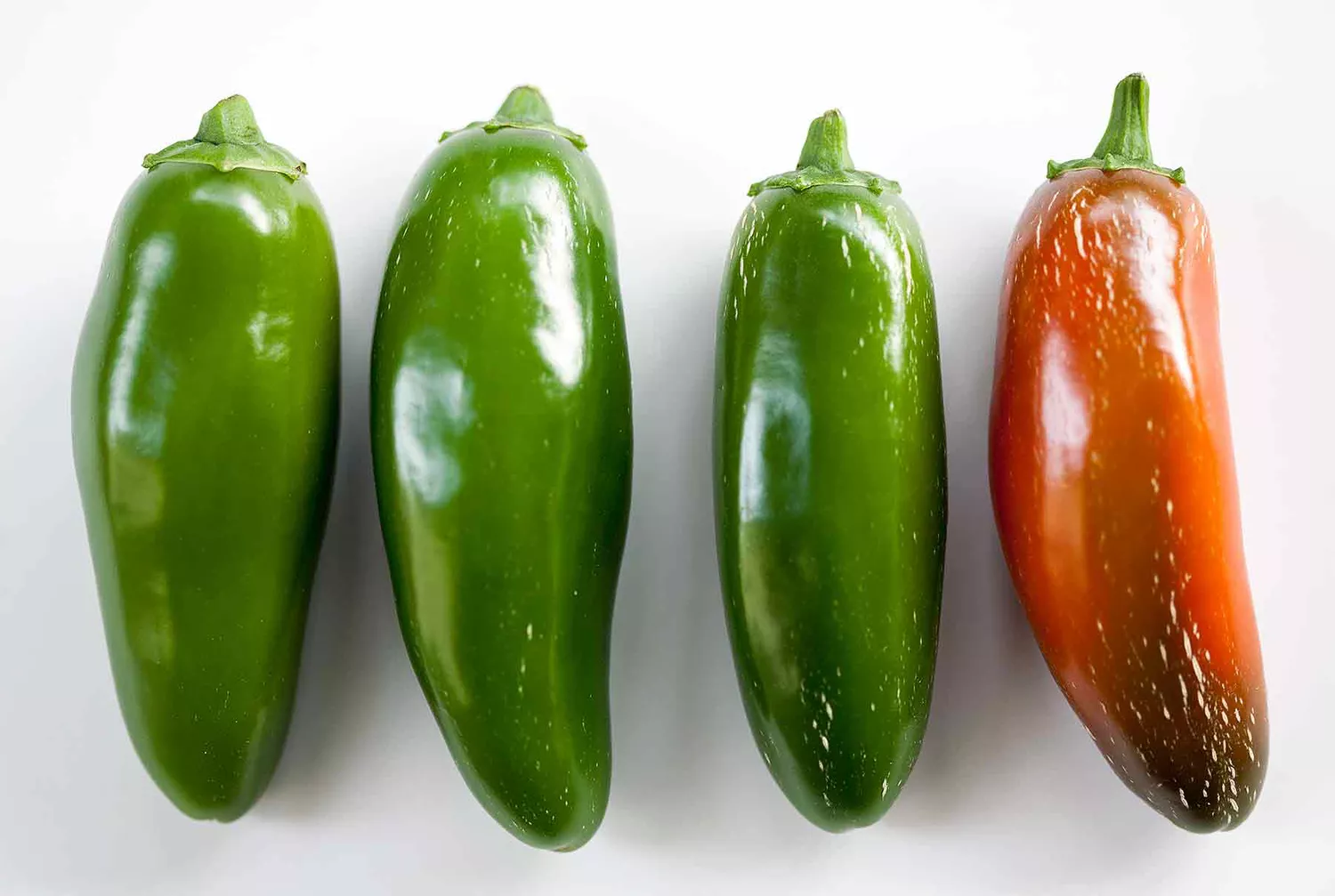 why are some jalapenos hotter than others
This is why pickled jalapeños are manageable for most people. The vinegar and brine pull the capsaicin out of the pepper over time. It’s not magic; it’s a hostage negotiation where the spice eventually surrenders.
Roasting: The Sweet Betrayal
Roasting is the favorite trick of salsa masters and blistered-pepper lovers. When you char a jalapeño over an open flame, the heat caramelizes its sugars and softens its cell walls. This makes the pepper taste sweeter and fruitier, which tricks your brain into thinking it’s less spicy.
But don’t be fooled. The capsaicin is still there, lurking like a prankster in a clown suit. The sweetness just distracts your tongue, like when a magician says “Look at the rabbit!” while setting your mouth on fire.
Fun fact: roasting can actually increase the perceived heat for some people. When the pepper’s skin blisters, the capsaicin gets more accessible. So if you eat a roasted jalapeño whole, you might get a surprise party in your throat.
The Deep Fry Escape
Frying is a weird exception. If you deep-fry a jalapeño (hello, poppers!), the high heat creates a crust that seals the pepper. This traps the capsaicin inside, but the fat from the oil also bonds with it a little.
Does it make them less spicy? Eh, not really. You’re just coating the fire in a delicious batter jacket. The first bite is a joy; the second bite is a betrayal as the capsaicin finally escapes and hits your tongue like a freight train.
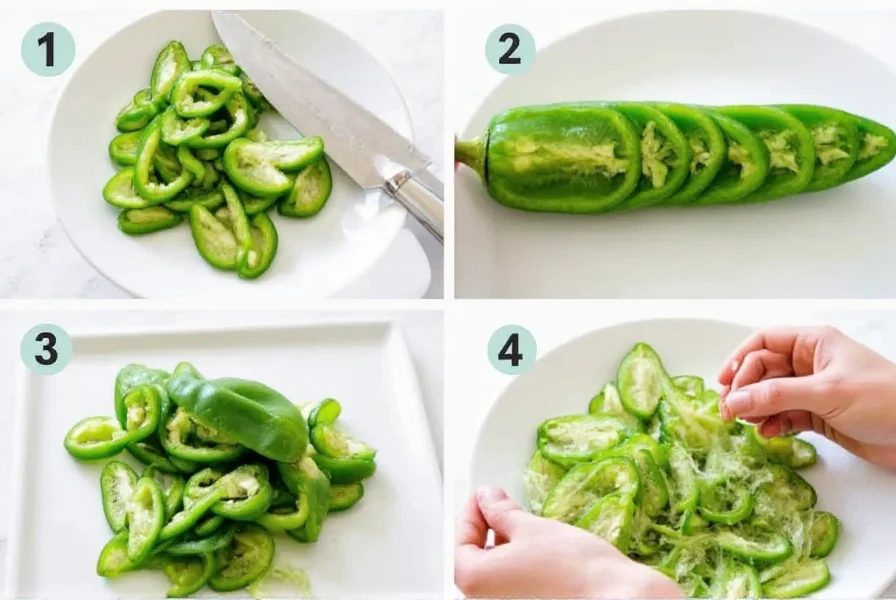 How to Make Jalapeños Less Spicy: Real Kitchen Fixes
Pro tip: if you’re making jalapeño poppers, remove the seeds and ribs. That’s where 80% of the heat lives. Leave those white veins in, and you’re basically eating a spicy grenade with cream cheese.
The Great Seed Myth
Everybody thinks the seeds are the spiciest part. That is a bold-faced lie that has ruined many a dinner party. The seeds are innocent—they just sit there, touching the evil placenta (the white ribbed tissue) that holds the capsaicin.
When you remove the seeds, you often remove the placenta too, which is why you feel relief. But if you just pick out the seeds like a neat freak, you’ve accomplished nothing. The heat is still in the walls, judging you.
So cooking doesn’t “remove” the spice from the seeds. It just makes the whole pepper more cooperative about sharing its pain with the universe.
So, Final Verdict: Does Cooking Make It Better or Worse?
Here’s the straight talk: cooking jalapeños does not chemically destroy capsaicin. You cannot burn it away, boil it out, or fry it into submission. The heat you buy is the heat you keep.
But cooking changes how you experience that heat. Boiling dilutes it into water; roasting distracts you with sweetness; frying encases it in fat. You’re not taming the dragon—you’re just giving it a better stage.
So next time you cook with jalapeños, remember: you are not the spice’s master. You are its accomplice. Embrace the chaos, and maybe keep a glass of cold milk handy. You’ll thank me later—after you’ve stopped crying into your delicious, cooked salsa.
:max_bytes(150000):strip_icc()/Jalapeno_Popper_Cream_Cheese_Dip_001_preview-2a9c086e8c3b4ec795e7a25570bacc05.jpg&description=Does+Cooking+Jalapenos+Make+Them+Less+Spicy)