Does Chimichurri Need To Be Refrigerated

There are few culinary pleasures as immediate and transformative as a spoonful of vibrant, herbaceous chimichurri. This Argentine staple, a fresh sauce of parsley, garlic, ore...
There are few culinary pleasures as immediate and transformative as a spoonful of vibrant, herbaceous chimichurri. This Argentine staple, a fresh sauce of parsley, garlic, oregano, olive oil, and vinegar, is the secret weapon of home cooks, instantly elevating a simple grilled steak into a restaurant-worthy meal or turning a humble roast vegetable into a burst of flavor. Its genius lies in its simplicity and its powerful versatility, offering a bright, acidic counterpoint to rich meats and a welcome herbal lift to any dish. Yet, for all its simple perfection, a common kitchen dilemma arises: does this beloved sauce need to be refrigerated?
The short, direct answer is yes, but the reasoning is nuanced. The key distinction lies between a traditional, vinegar-heavy chimichurri and a modern, herb-dominated version. An authentic chimichurri is not a cooked sauce; its primary preservatives are the acid from the vinegar (usually red wine or white) and the salt. While these ingredients can slow down bacterial growth, they do not stop it entirely. Moreover, modern recipes often call for a higher ratio of fresh herbs to oil and acid, creating a more perishable environment. The moisture from the freshly chopped herbs—particularly the parsley—creates a perfect playground for microorganisms, especially at room temperature where they multiply rapidly.
Consider a real-world scenario: you make a large batch of chimichurri on a Sunday afternoon to use for a week of grilled chicken salads and roasted vegetable bowls. If you leave that bowl on the counter, by Tuesday afternoon, you might notice the vibrant green color has started to darken and oxidize, much like a cut apple. More critically, the texture may become slimy, or a faint off-smell might develop—clear signs of spoilage. This is because heat and time are the enemies of fresh, raw ingredients. The Food and Drug Administration advises that any food containing perishable ingredients (like fresh herbs and garlic) should not be left at room temperature for more than two hours. Your everyday chimichurri, with its abundance of fresh herbs, falls squarely into this safety category.
Must Read
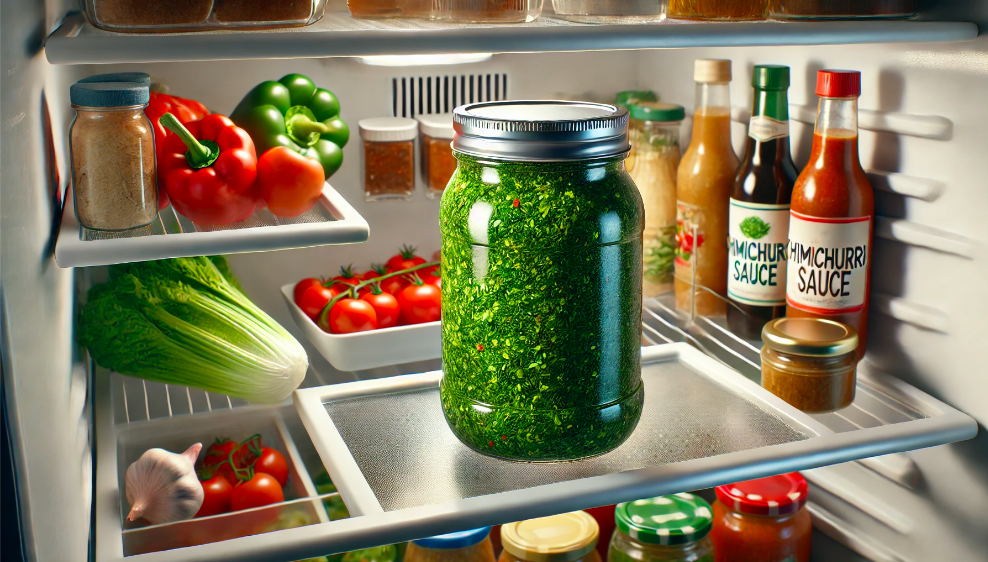
But what about the restaurant experience? You might have seen a bottle of chimichurri sitting on a Buenos Aires parrilla (grill) counter for hours. Chefs often use a high-acid, high-salt formula that can tolerate brief periods at room temperature. They also rely on a constant rotation of fresh batches, using the sauce quickly before spoilage becomes a risk. For the home cook, however, who is not serving dozens of tables per hour, the fridge is your ally. The benefits are clear: refrigeration dramatically slows down enzymatic browning (keeping that lovely green color more vibrant), prevents bacterial growth, and extends the shelf life from mere hours to 5–7 days when stored properly in an airtight container.
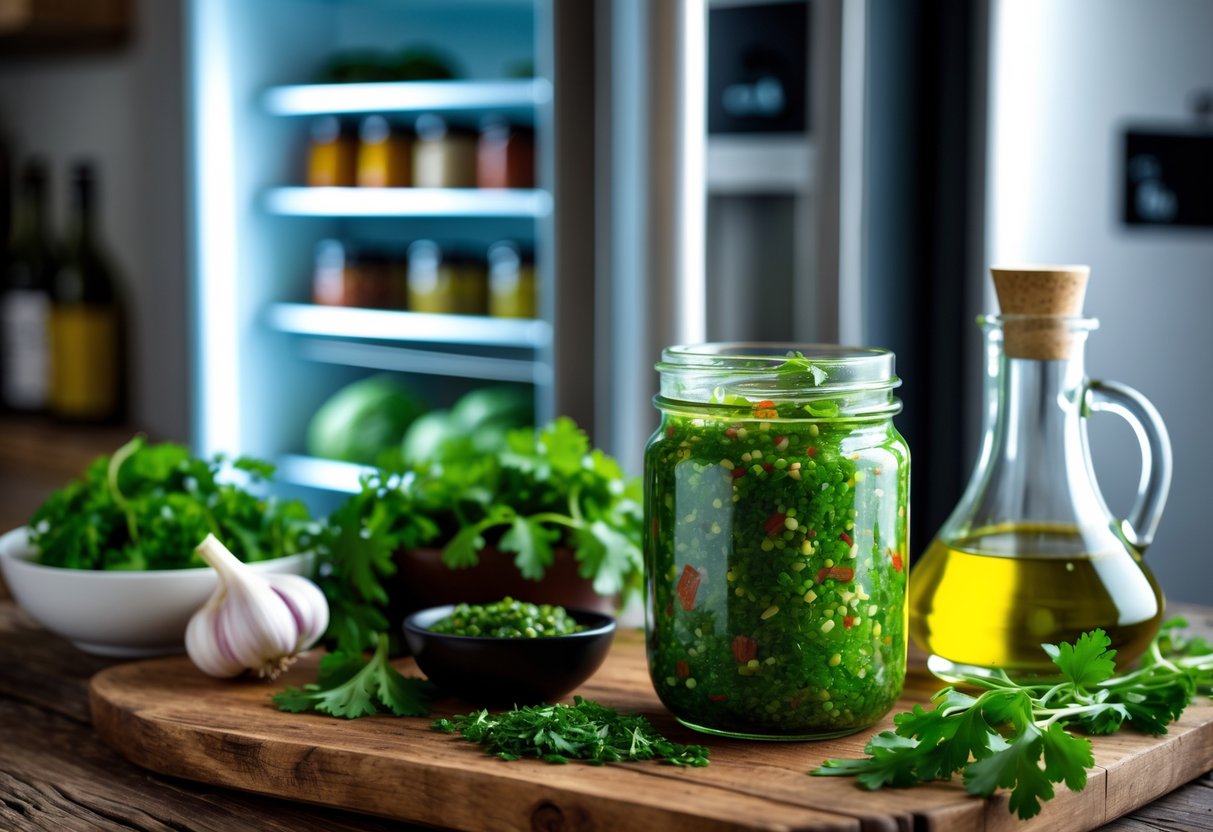
To get the most out of your homemade chimichurri, adopt a few simple practices. First, always use a clean, dry spoon to remove sauce; introducing moisture or food particles from your plate accelerates spoilage. Second, press a piece of plastic wrap directly onto the surface of the sauce before sealing the container. This minimizes air exposure, which is the primary cause of oxidation and flavor loss. And third, do not add the oil until just before serving if you are making a large batch for the week. The oil acts as a sealant, but it can go rancid over time. A better strategy is to store the vinegar, herbs, garlic, and salt mixture in the fridge, then stir in the olive oil right before you use it. This preserves the fresh, punchy flavor.
 How Long Does Chimichurri Last in the Fridge? Experts Warn!
There is an exception worth noting: commercial chimichurri. Bottles purchased from a store often contain stabilizers, preservatives, and pasteurization that allow them to be shelf-stable until opened. Once you break that seal, however, the fridge rule applies immediately. The label will almost always say “Refrigerate After Opening” for a reason. And what if you accidentally left your homemade sauce out overnight? The safest course is to discard it. Your health is not worth the gamble. The subtle aromas of garlic and vinegar change dramatically when bacteria have had a party; a fresh batch is always superior and takes only five minutes to make.
Ultimately, the question of refrigeration boils down to one of respect for the ingredients. Chimichurri is a celebration of freshness—it is the essence of raw herbs, bright acids, and high-quality oil. Treating it with the simple care of cold storage honors that freshness, ensuring that every spoonful delivers the same zesty, vibrant kick as the moment you chopped the parsley. So, go ahead and prepare a double batch this weekend. Keep it chilled, use it liberally, and enjoy the profound difference it makes in transforming ordinary meals into extraordinary experiences. Your taste buds—and your stomach—will thank you.