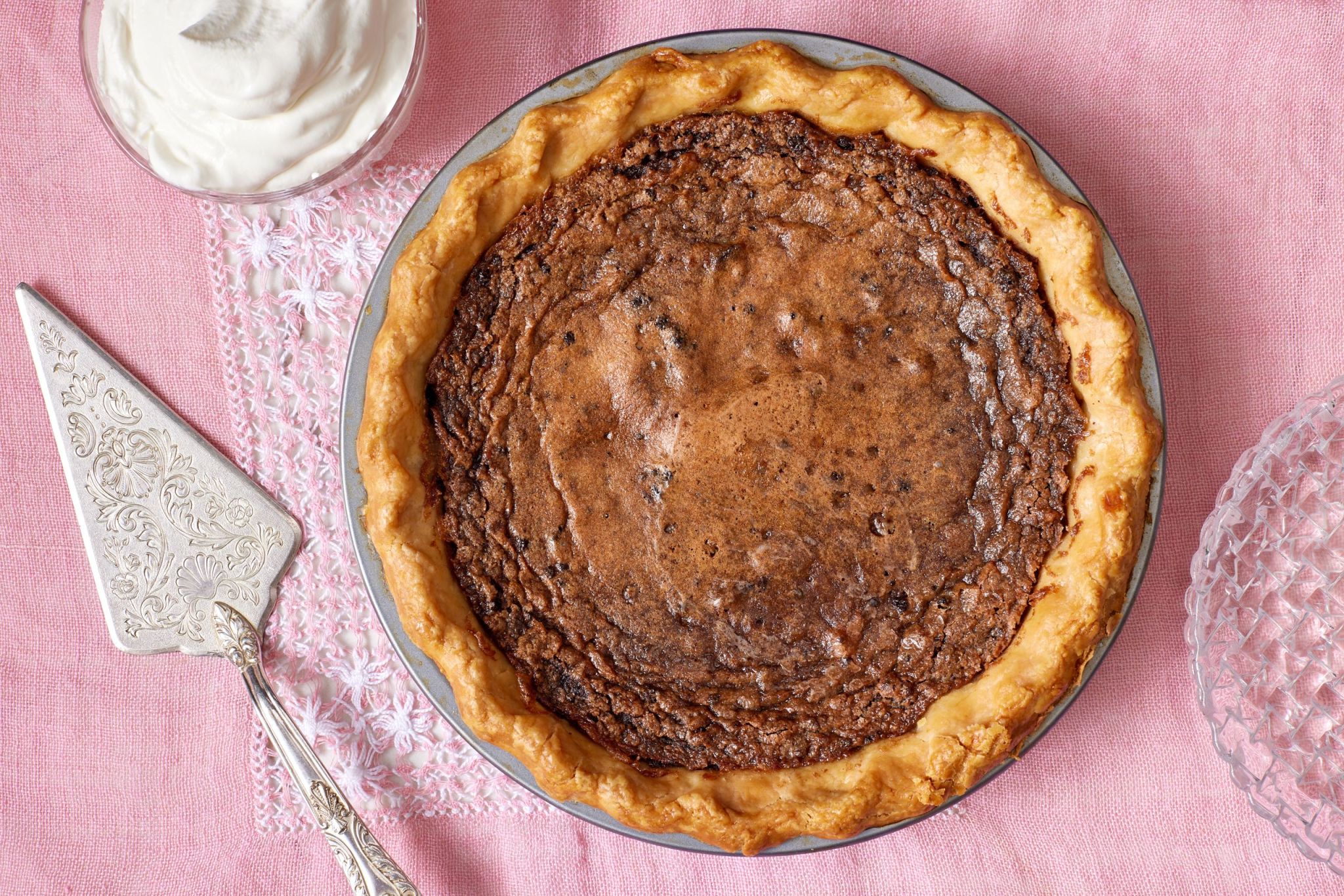
Does Chess Pie Have To Be Refrigerated

Chess pie is a beloved Southern dessert known for its rich, buttery flavor and custard-like filling. Whether enjoyed at a family gathering, a potluck, or a quiet evening at ho...

Chess pie is a beloved Southern dessert known for its rich, buttery flavor and custard-like filling. Whether enjoyed at a family gathering, a potluck, or a quiet evening at home, this iconic treat continues to be a staple on countless tables. Because it combines butter, sugar, eggs, and often cornmeal or vinegar, its careful storage is essential to maintaining both taste and safety. Understanding whether chess pie needs to be refrigerated is a question many home bakers encounter, and the answer depends on several important factors.
The primary purpose of storing chess pie correctly is to preserve both its flavor and freshness. Without proper storage, the pie can quickly lose its signature texture and appeal. The rich custard filling may begin to dry out, or worse, become a breeding ground for bacteria if left at room temperature for too long. Proper refrigeration helps slow bacterial growth and keeps the pie tasting as delicious as the moment it was first cut. This simple step protects the quality of the dessert and ensures it remains enjoyable for everyone who takes a bite.
For everyday life, knowing how to store chess pie offers a practical benefit: it saves waste and money. Imagine you baked a pie over the weekend and still have half left by Monday. If you store it on the counter, you may find it spoiled by midweek, wasting both ingredients and effort. However, by placing it promptly in the refrigerator, you extend its life to four to five days, giving you and your family more time to enjoy it. The guidance becomes even more important during warm months when higher temperatures accelerate spoilage.
Must Read
Does chess pie always need to be refrigerated? The short answer is: yes, after it has been cut or served. While it is perfectly safe to leave an uncut pie on the counter for a period of up to two hours at room temperature, refrigeration is strongly recommended afterward. If the pie contains perishable ingredients like eggs, milk, or cream-based components, which most chess pies do, it should never sit out for more than two hours. In extremely hot weather, this window shrinks to only one hour. Any exposure beyond these time frames increases the risk of foodborne illness.
Consider a common scenario: you host a Sunday dinner and serve chess pie as dessert. There is about one-third of the pie remaining at the end of the meal. Experts recommend that you cover it tightly with plastic wrap or place it in an airtight container and transfer it directly to the refrigerator. You can allow it to sit out briefly for about two hours max while guests mingle. When you are ready to serve it again the next day, simply let it come to slightly below room temperature for about 15 to 20 minutes to restore its creamy texture before eating.
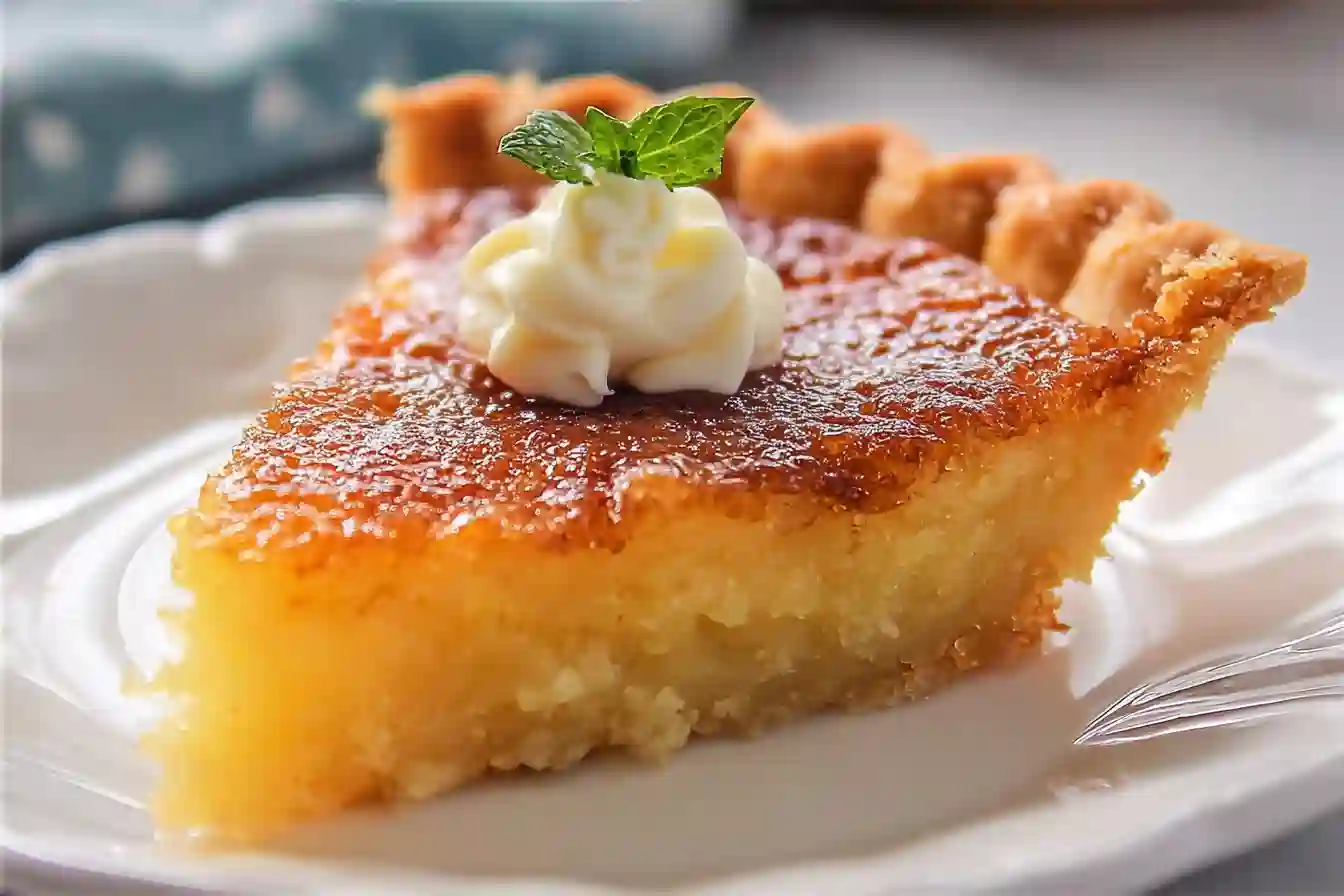 Chess Pie
Here are a few simple tips to help you explore proper chess pie storage on your own: first, always label the date when you refrigerate the pie so you know how long it has been stored. Second, if you plan to keep it longer than five days, consider freezing it instead, as chess pie freezes well for up to two months. Third, bake a small test pie first if you are experimenting with different storage methods, so you can compare results side by side. These small habits make a significant difference in the overall enjoyment of your dessert and reduce unnecessary waste.
In summary, refrigerating chess pie is not just a recommendation but a necessary practice for keeping it safe and delicious. Whether you are baking for family, sharing with friends, or simply treating yourself, taking a few extra minutes to store your pie correctly ensures that every bite is as heavenly as intended. By understanding the basics of pie storage, you gain confidence in your baking and the knowledge to enjoy your favorite Southern dessert without worry.
:max_bytes(150000):strip_icc()/Chess-Pie-FT-RECIPE0424-3a1115469f434f9e99a3bccfc3fd5a82.jpg)