Does Boiling Remove Starch From Potatoes

Welcome to a playful kitchen science adventure that asks a simple but surprisingly useful question: does boiling remove starch from potatoes? If you have ever wondered why you...
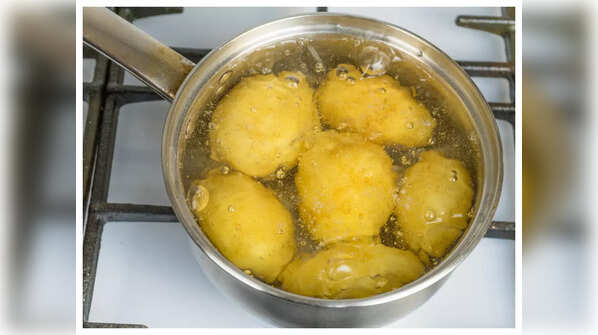
Welcome to a playful kitchen science adventure that asks a simple but surprisingly useful question: does boiling remove starch from potatoes? If you have ever wondered why your mash is silky, your fries stay crisp, or why a boiled potato tastes lighter, this article is for you. We’ll explore the truth behind the pot, the reason starch matters, and the fun ways you can use the information to improve everyday recipes. By the end you’ll feel confident enough to experiment, tweak, and share your newfound potato wisdom with friends and family.
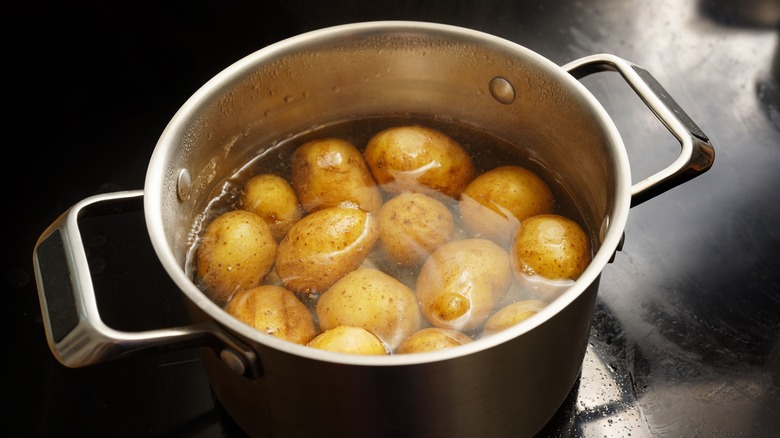
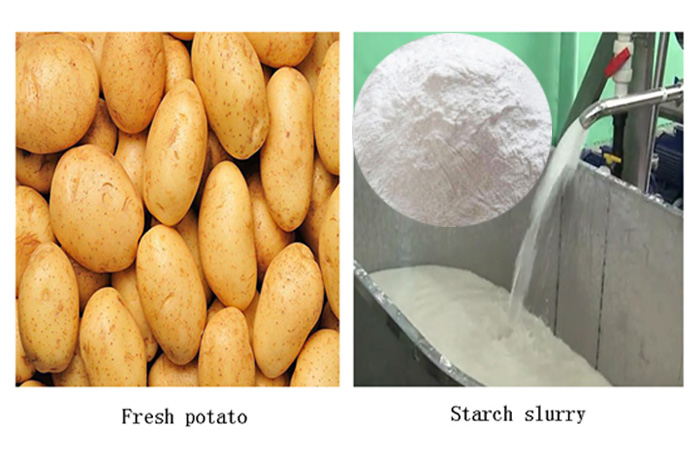
Potatoes are packed with starch, a long‑chain carbohydrate that stores energy in the tuber. When you drop a potato into boiling water, several things happen at once. First, the heat loosens the cell walls, allowing water and soluble starches to escape into the surrounding liquid. Second, the boiling action creates a gentle agitation that pulls even more starch particles out of the flesh. Third, the temperature of the water (around 100 °C) is high enough to gelatinize some of the remaining starch, turning it into a smoother, more digestible form. So, the short answer is yes, boiling does remove a measurable amount of starch, especially if you use the cooking water as a medium for other tasks. The amount removed depends on potato variety; waxy potatoes release less starch than floury ones, so choosing the right tuber can fine‑tune your results.
Think about the classic mashed potatoes you love. If you boil the potatoes until they are tender, you’ll notice that the mash feels lighter and less gluey compared with potatoes that are merely steamed or microwaved. The boiling water that carries away the starch can even be used to thicken a sauce later, giving you a double win: softer potatoes and a starch‑infused liquid. In the world of French fries, a brief boil (often called par‑boil) loosens surface starch, which helps the exterior to crisp up when you fry them. Finally, boiled potato water can be poured over grains like rice or couscous, adding a subtle nutty flavor while the grains cook in a starch‑enriched broth. The reserved liquid can be whisked into gravy or used as a base for a creamy vegetable bisque, turning waste into a flavor asset.
Must Read
Now that you know boiling pulls starch out, you can turn that knowledge into kitchen experiments. Try making a batch of starch water by boiling a few potato chunks for ten minutes, then strain it and chill it for later use in a soup or a veggie stew. The starchy liquid adds body without needing extra flour. Another fun trick is to use the boiled water to cook pasta; the starch helps the sauce cling better to the noodles. You can also freeze the chilled starch water in ice‑cube trays and pop a cube into a smoothie for a creamy boost without dairy. Each of these ideas shows how a simple pot of water can become a versatile tool for flavor and texture.
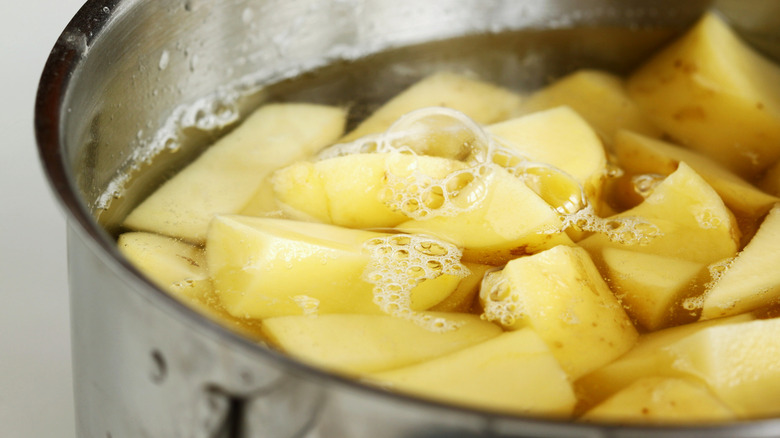 Why You Should Boil Potatoes Before Roasting Them
To get the most starch removal, use a generous amount of water—about 4 cups per medium potato—so the starch can dissolve rather than stay trapped. Keep the boil rolling but not violent; a steady bubble circulates the water around the potato pieces, pulling out more starch each second. If you plan to reuse the cooking water, skim off any foam and let it cool before refrigerating; starches settle and you can pour off the clear top layer for a lighter broth. Time matters: a quick 5‑minute boil extracts just the surface starch, while a 15‑minute boil deepens the extraction but can make the potato mushy, so adjust according to your recipe. A quick test—piercing a cube with a fork to see how easily it slides—will tell you if you’ve extracted the right amount of starch before you move on to the next step.
In the end, boiling does remove starch from potatoes, and that simple fact opens the door to lighter mashes, crisper fries, and a whole pantry of starch‑rich cooking liquids. Next time you reach for a pot, remember that a few minutes of rolling water can transform texture, flavor, and sauces cling. Keep experimenting, share your discoveries, and let the humble potato be your playground.