Does Being A Cosigner Hurt Your Credit

So you're thinking about cosigning for someone — a friend, a sibling, or maybe your adult child who needs a loan or a credit card. It's one of those things people talk about a...
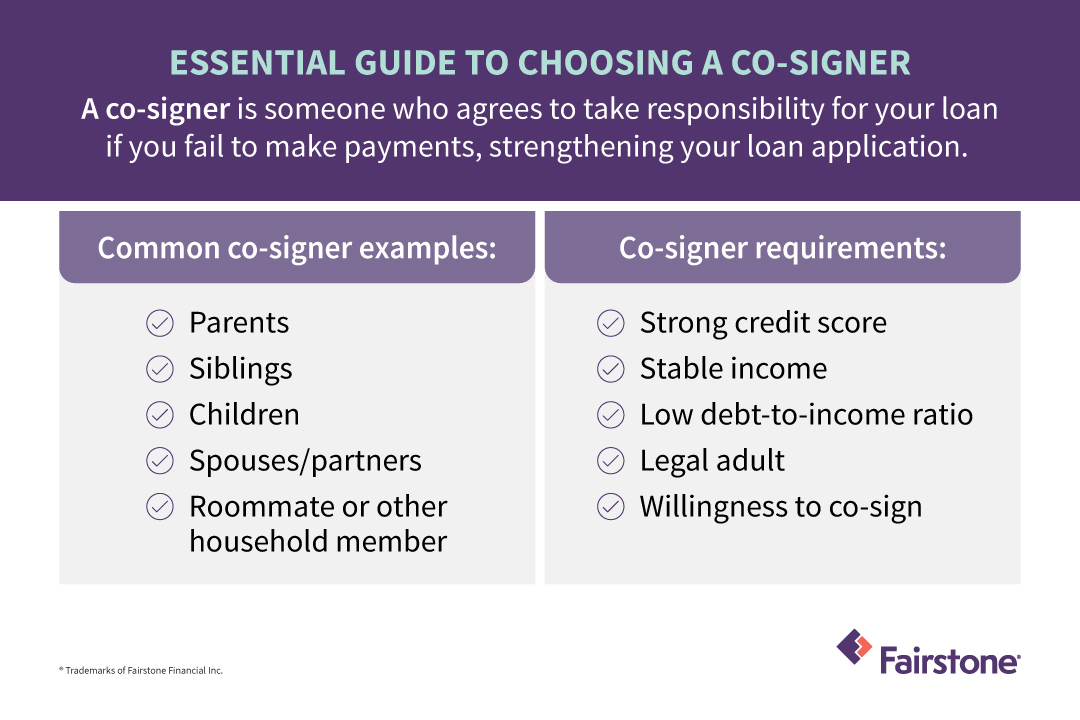
So you're thinking about cosigning for someone — a friend, a sibling, or maybe your adult child who needs a loan or a credit card. It's one of those things people talk about a lot because it feels like an easy way to help someone you care about. But before you sign on the dotted line, you've probably asked yourself one big question: does being a cosigner hurt your credit? It's a totally legit concern, and honestly, there isn't one simple yes-or-no answer. Let's break it down so you can make a smart decision that works for everyone involved.
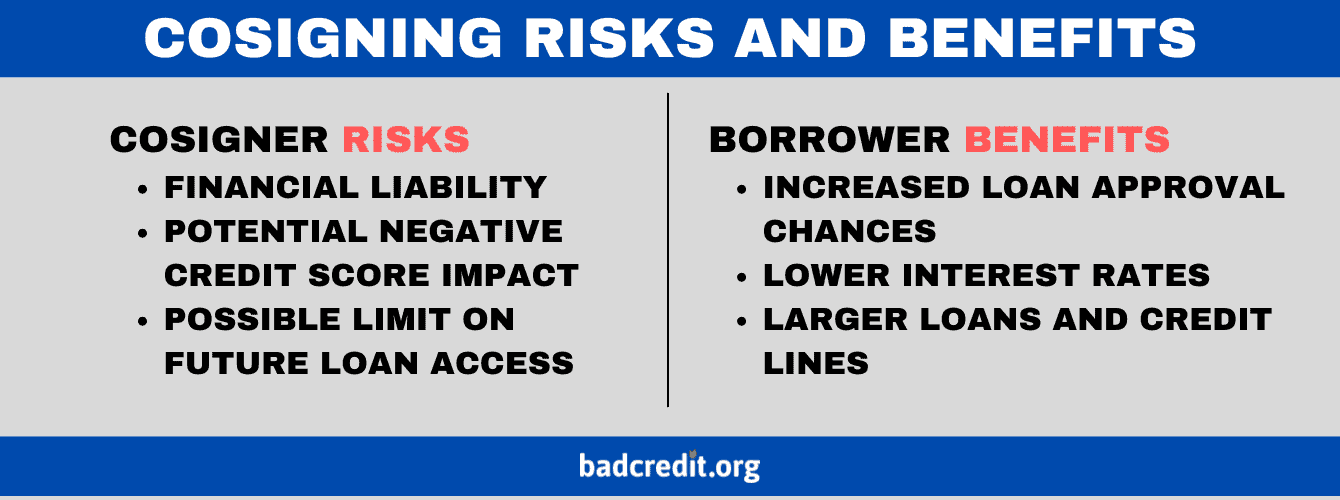
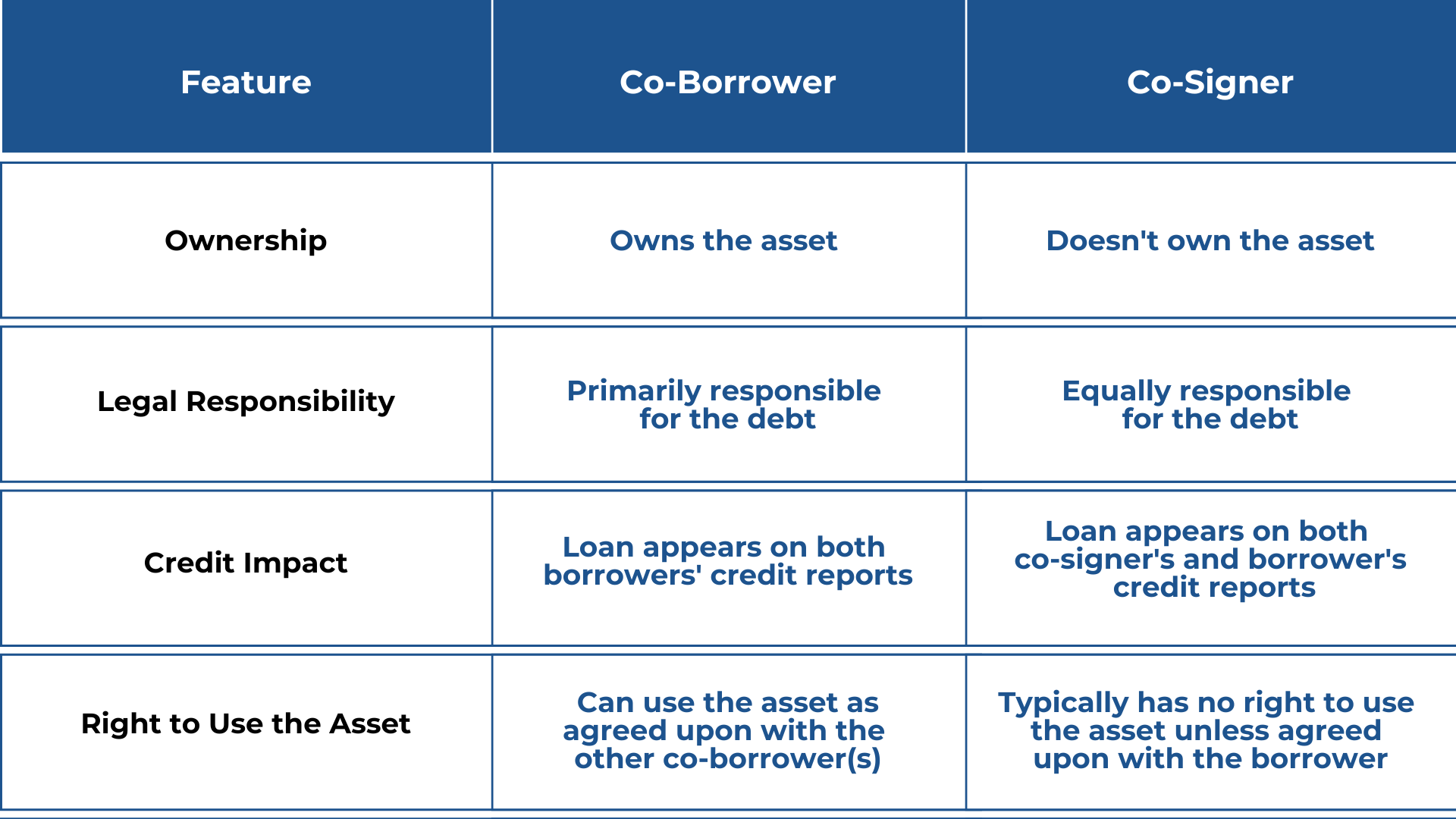
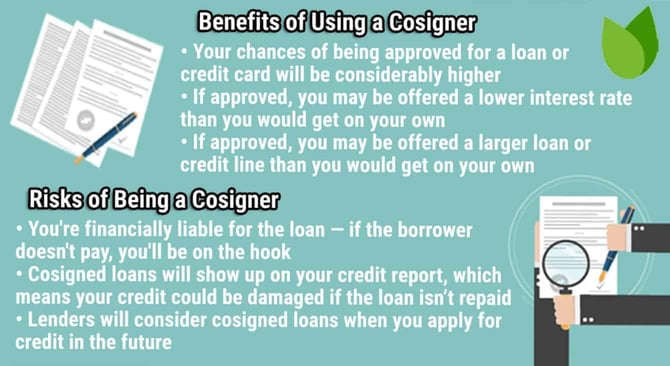
Here's the basic truth — yes, being a cosigner can absolutely affect your credit score. When you cosign, you become legally responsible for the debt just like the primary borrower is. That means the loan appears on your credit report as well as theirs. If the borrower makes every payment on time, your credit could actually see a small boost over time because you'll have another positive payment history added to your record. Think of a young adult building their first credit line — if you cosigned their car loan and they're making payments like clockwork, that helps both of you.
Now, the trouble starts when things go sideways. If the borrower misses payments or defaults on the loan, it shows up on YOUR credit report too. A single late payment can drop your score, and a full default can be devastating. Suddenly, your own ability to get a mortgage, car loan, or even a personal credit card gets compromised. This is where many people — like parents cosigning for their kid's college apartment or friends helping each other through a tough financial patch — end up realizing they've took on way more risk than they expected. Your credit utilization also jumps because the lender counts the entire debt under your name, even though you're not the one actively spending it.
Must Read
But it's not all bad news. Being a cosigner can strengthen relationships and give someone important the leg up they need. For families and communities, it's practically a financial lifeline. A teenager applying for their first credit card, a new immigrant trying to secure a car loan, or a friend recovering from medical bills — cosigning gives them access to credit they couldn't get alone. When everything goes smoothly, both the borrower and the cosigner build a mutually beneficial credit history. Groups like credit unions often encourage this kind of arrangement because it fosters financial inclusion at the local level.
So how do you protect yourself while still being generous? Here are some practical steps. First, only cosign for someone you genuinely trust. Make sure they have stable income and a realistic budget to handle the payments. Second, set up alerts through the lender so you're notified of any missed payments immediately. Third, get written agreement from the borrower about how they plan to pay off the debt. Fourth, consider using "release clauses" if available — some loans let you request removal of your name once the borrower has made a certain number of on-time payments. Finally, monitor your own credit reports regularly at no cost through AnnualCreditReport.com to catch any issues early.
 $6,000 Loans for Bad Credit in 2026 - BadCredit.org
There's also the emotional side of cosigning that nobody talks about enough. When you cosign for someone you love, the relationship can become tense if payments start slipping. Nobody wants to chase a sibling for money, right? That awkwardness can stress friendships and family bonds. To avoid this, have a clear, honest conversation upfront about expectations, worst-case scenarios, and what you'll do if things go wrong. Transparency now saves headaches later.
At the end of the day, being a cosigner doesn't have to hurt your credit — it only does when the primary borrower doesn't hold up their end of the deal. With the right safeguards and open communication, cosigning remains one of the most powerful ways to lift up your loved ones and strengthen your community. Take it seriously, do your homework, and you'll be in a position to help without getting hurt. That's a win-win worth pursuing.