Does 1/3 And 1/3 Equal 2/3

There is a quiet, satisfying beauty in the simple act of measurement—whether you are dividing a chocolate bar among friends, doubling a recipe for a family dinner, or calculat...
There is a quiet, satisfying beauty in the simple act of measurement—whether you are dividing a chocolate bar among friends, doubling a recipe for a family dinner, or calculating the length of a shelf. This everyday arithmetic brings order to our lives, and few questions are more fundamental—or more joyfully debated—than this: Does 1/3 plus 1/3 equal 2/3? At first glance, the answer seems trivial, yet exploring it reveals the hidden logic that makes mathematics a deeply practical and even delightful tool. Its key purpose is to sharpen our intuitive sense of proportions, helping us navigate everything from cooking to budgeting with confidence. The benefits are tangible: fewer arguments over pizza slices, perfectly balanced recipes, and a sharper mind for everyday decisions.
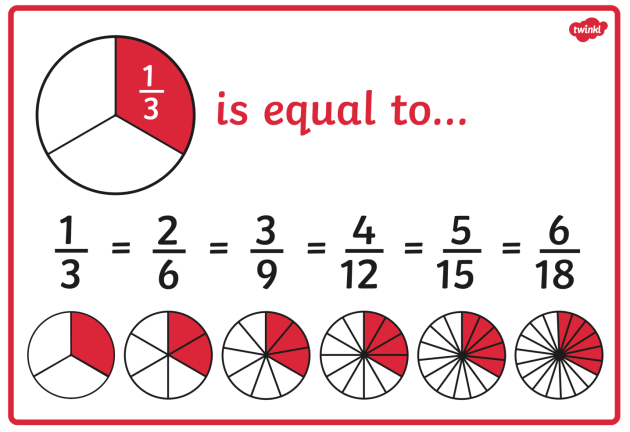
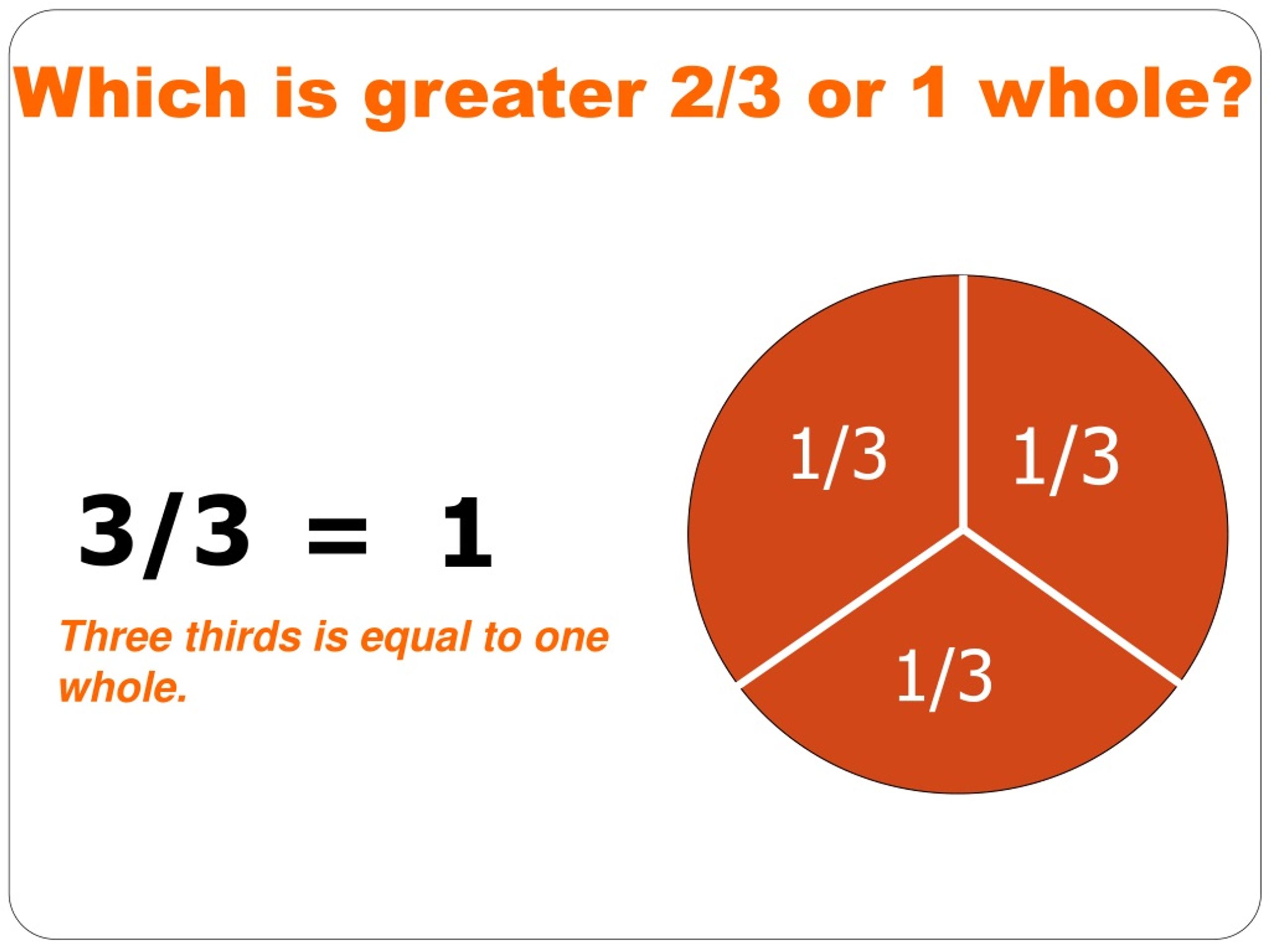
Let us test the idea with a concrete scenario. Imagine you have a single, perfectly round pizza. You cut it into three equal slices. You eat one slice—that is 1/3 of the pizza. Your friend eats another slice—another 1/3. Combined, you have consumed two of the three slices. Visually, this is undeniable: two slices out of three represent exactly 2/3 of the whole pizza. The math confirms what your eyes see. The denominator (the bottom number) tells you the total number of equal parts, while the numerator (the top number) counts how many of those parts you have. So, 1/3 plus 1/3 equals 2/3. This is not a philosophical trick; it is a direct mapping of physical reality onto numbers.
Yet, the reason this question sparks curiosity is that it challenges a common pitfall of human intuition. Many people, when confronted with fractions, mistakenly add the denominators—thinking 1/3 + 1/3 equals 2/6 (which simplifies to 1/3). This error, known as "adding the bottoms," happens because we treat fractions as two separate whole numbers instead of as a single ratio. The correct rule is to add only the numerators while keeping the denominator the same, as long as the denominators are equal. The same principle applies to any fraction with matching denominators: 2/5 + 1/5 equals 3/5, not 3/10. Understanding this rule saves you from pouring twice as much flour into a cake as intended.
Must Read
Consider a more elaborate example to see the broader benefit. You are hosting a small party and plan to serve a fruit punch that calls for 1/3 cup of orange juice concentrate per liter of water. You need to make three liters. Instead of adding 1/3 cup three times (which is 3/3, or one full cup), you could mistakenly add 1/3 + 1/3 + 1/3 as 1/9 if you incorrectly added denominators. That would result in a watery, thin punch—a disappointing outcome for your guests. But by confidently adding the numerators, you know you need exactly one full cup. This simple arithmetic ensures your recipe is balanced, your guests are happy, and your reputation as a reliable host remains intact.
Beyond the kitchen, this principle has everyday applications in splitting bills, dividing time, and estimating distances. For instance, if you and a partner each cover 1/3 of a $90 utility bill, your combined contribution is 2/3—that is $60. If you mistakenly thought it was 2/6, you might each pay only $15, leading to an underpayment. Small errors in fraction addition can ripple into financial friction or lost resources. Mastering this one concept—adding like denominators—thus builds a foundation for trust and accuracy in shared responsibilities, from group projects to shared household expenses.
 PPT - Greater than & Less than Fractions PowerPoint Presentation, free
To explore this idea on your own, start with simple visual tools. Use paper circles or squares and cut them into three equal parts. Physically move two of them together and count the pieces compared to the whole. This tactile method reinforces why the denominator stays unchanged. Next, try a real-world task: following a two-step recipe that requires two 1/3-cup measurements of milk. Pour the first 1/3 cup into a bowl, then the second, and observe that you have exactly 2/3 cup—no more, no less. Finally, challenge a friend: ask them to guess the answer, then prove it with a simple drawing. Discussing why the denominator does not change often unearths deeper insights about fractions as parts of a whole, not separate numbers.
In conclusion, the question "Does 1/3 plus 1/3 equal 2/3?" is far more than a trivial classroom exercise. It is a gateway to understanding how fractions govern our physical and financial world. By embracing the simple rule of adding numerators while keeping denominators constant, you unlock a powerful everyday tool—one that saves resources, prevents conflicts, and sharpens numerical intuition. The next time you divide a pizza, calculate a tip, or adjust a recipe, remember: the answer is almost certainly yes, as long as you trust the parts and the whole together. This small piece of math may seem modest, but its impact on your daily life is surprisingly profound.
