Do You Wash Scallops Before Cooking

So, picture this: you’re standing at your kitchen sink, a bag of pristine, pearlescent scallops staring up at you. A little voice whispers, “Better rinse them off, right? You...
So, picture this: you’re standing at your kitchen sink, a bag of pristine, pearlescent scallops staring up at you. A little voice whispers, “Better rinse them off, right? You always wash chicken.” But hold up, my friend. Before you turn on the tap and commit a culinary crime, let’s have a chat. The short, sassy answer is: No, do not wash scallops! I repeat, put the colander down and step away. This isn’t a muddy potato; it’s a delicate ocean gem.
Here’s the deal. Scallops are not like a muddy clam or a gritty mussel. They’ve already been shucked and, if you bought them from a reputable fishmonger, they’re usually “dry-packed.” That means they haven’t been soaked in a phosphate solution to plump them up, which is a good thing. If you wash scallops with water, you’re doing two terrible things at once. First, you’re drenching them with moisture—the mortal enemy of a good sear. A wet scallop doesn’t brown; it steams. It turns into a sad, rubbery disc of regret instead of that golden, buttery crust we all dream about. Second, you’re washing away any subtle briny flavor, leaving you with a blank, watery slate. And who wants a blank, watery slate for dinner? Not me, and definitely not your taste buds.
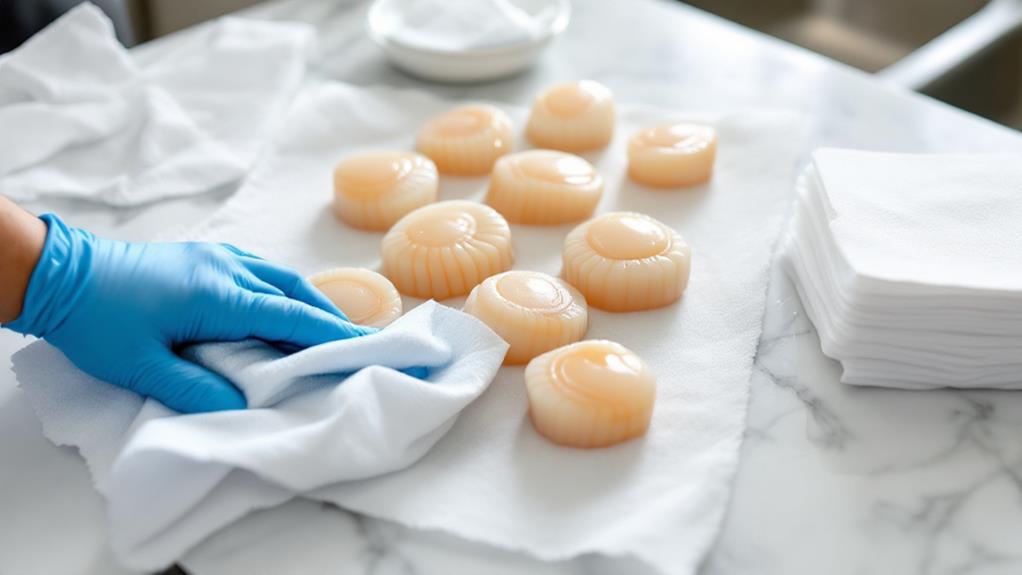
Now, let’s address the elephant in the room: the little side muscle. That’s the tough, bright white tab of tissue clinging to the side of the scallop. It’s perfectly edible, but a bit chewy. If you want to be a scallop pro, simply pinch and peel it off with your fingers. No water needed. If you see any grit or sand (rare with good scallops), just wipe it away with a damp paper towel. That’s your wash. A gentle, loving pat-down. The key takeaway? Dryness is your best friend. After you’ve removed the side muscle, lay those scallops on a plate lined with paper towels. Pop them in the fridge, uncovered, for 15-20 minutes. This helps them dry out even more. Trust me, this is the most important “prep work” you’ll do. You’ll be rewarded with a crusty, caramelized exterior that makes a sound like angels sighing when you bite into it.
Must Read
“But what if they smell… fishy?” you ask, wrinkling your nose. If your scallops smell aggressively “fishy,” don’t wash them—return them. Fresh scallops smell sweet, like the sea air, not like low tide at a pier. Washing a borderline scallop won’t save it; it’ll just spread the stink around your sink. Trust your nose, not the faucet. And for the love of all that is holy, don’t soak them in milk. That’s an old wives’ tale for fish filets to tame bitterness, and scallops aren’t bitter. They’re sweet, perfect little pillows of joy that need no intervention.
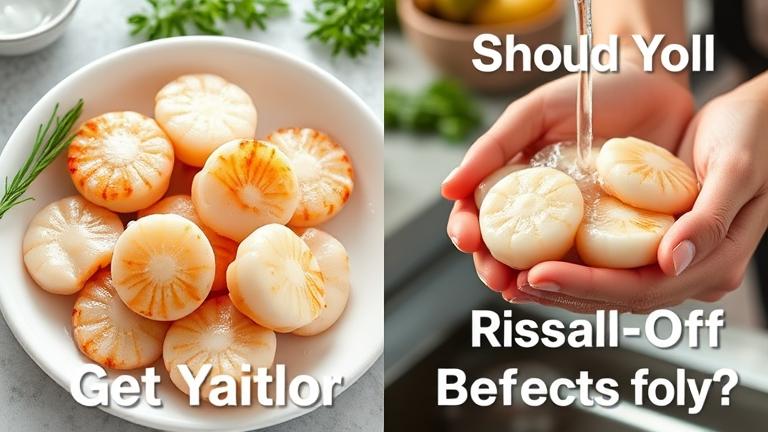 should you rinse off scallops before cooking? - Test Food Kitchen
So, when you’re ready to cook, pat them dry one last time, season them simply with salt and pepper (and maybe a pinch of cayenne for a little wink), and sear them in a blazing hot pan with butter and oil. That’s it. No rinsing, no fuss, no regret. You’ll get that majestic golden crust, that sweet, buttery interior, and you’ll feel like a kitchen god. You’ve saved the day, one dry scallop at a time.
So go on, give your scallops a personality—they’re better than a rinse-and-repeat robot. And the next time someone tells you to wash them, you can smile knowingly, pour yourself a glass of wine, and whisper, “Not today, soggy scallop. Not today.” Because in the end, a little bit of trust in your ingredients goes a long way. You’re not just cooking dinner; you’re honoring the ocean’s sweetness. Now go seize that pan—and that golden, glorious crust is yours for the taking. You’ve got this.
