Do You Wash Salmon Before You Cook It

Salmon is one of the most beloved fish in kitchens around the world. Whether you're a seasoned home cook or someone who occasionally prepares dinner, you've probably asked you...

Salmon is one of the most beloved fish in kitchens around the world. Whether you're a seasoned home cook or someone who occasionally prepares dinner, you've probably asked yourself a very common question: should I wash salmon before cooking it? This seemingly simple question has sparked plenty of debate among cooks, health experts, and food safety organizations. The answer matters because it affects not only the taste and texture of your fish but also the cleanliness of your kitchen and the health of the people you feed. Let's explore this topic together in a relaxed, no-pressure way.
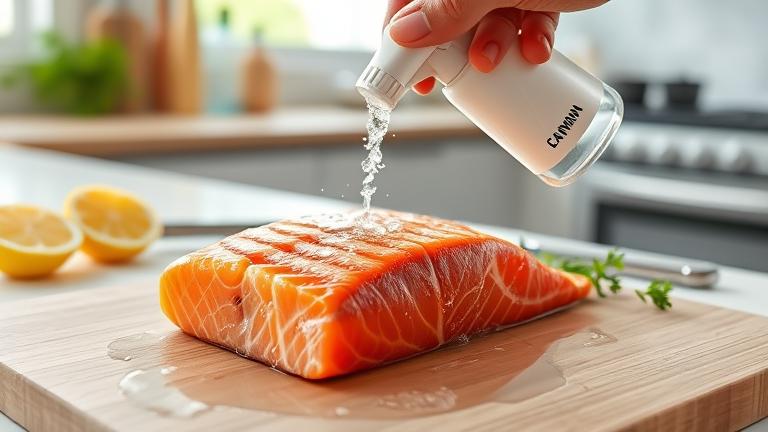
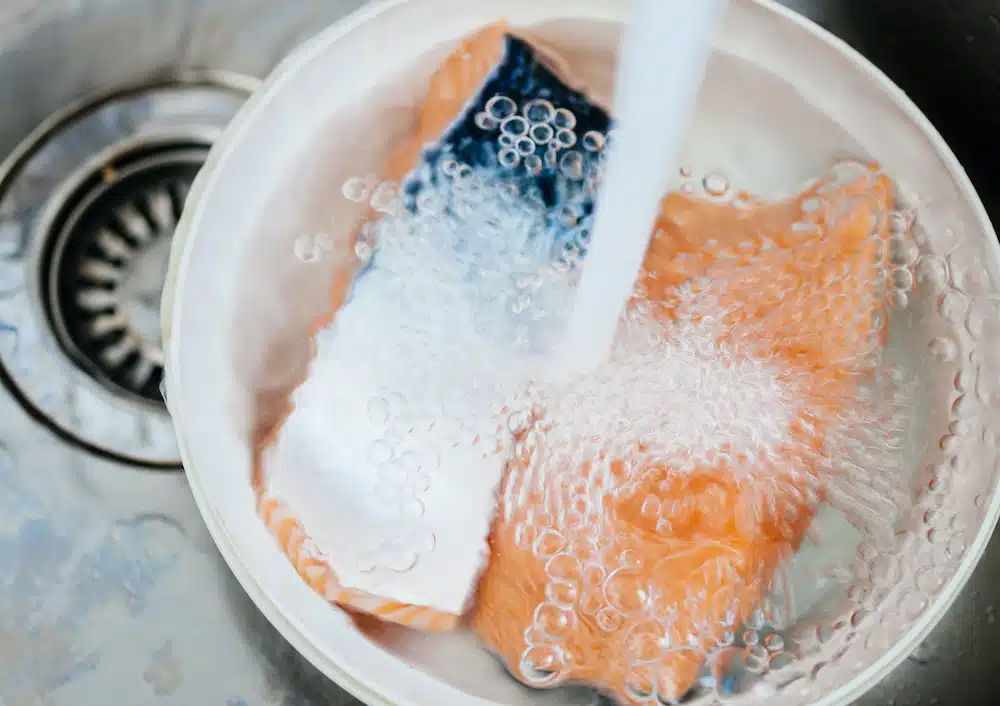
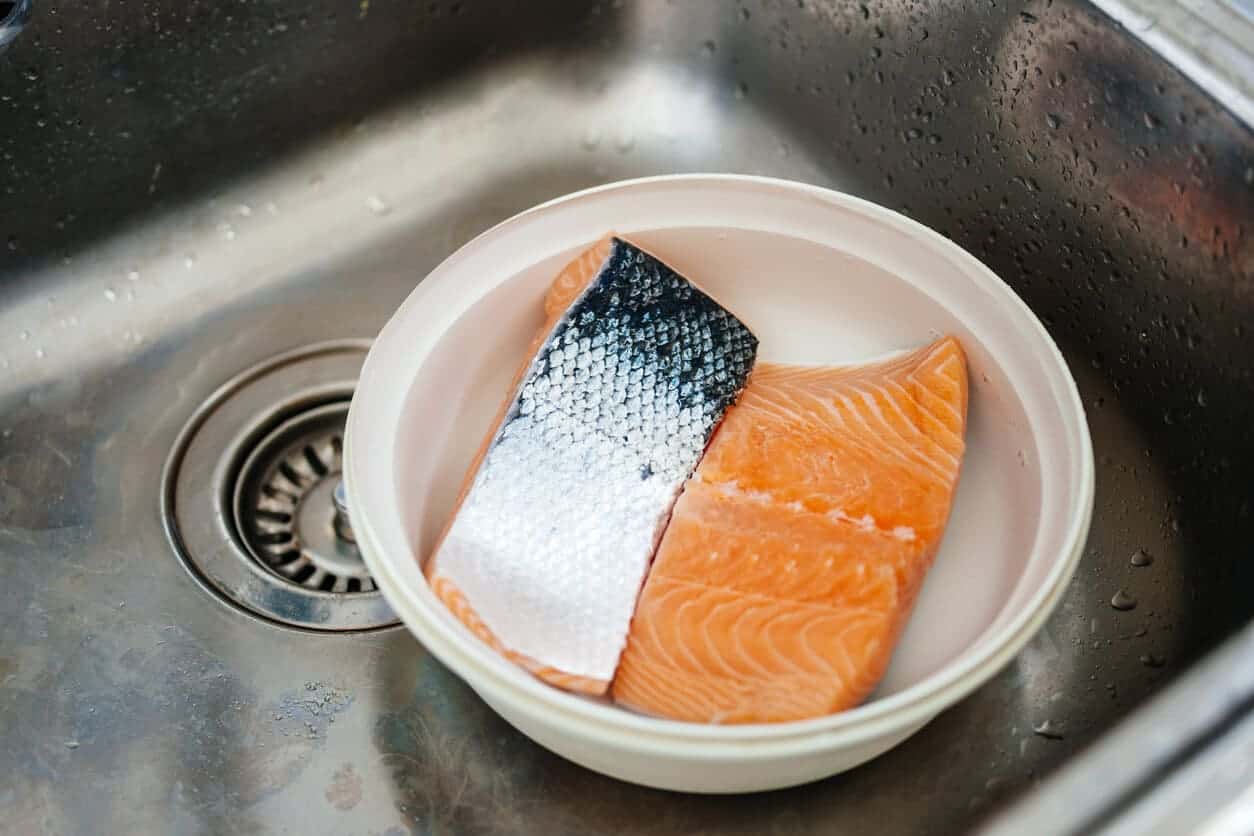
Many people believe that rinsing salmon under cold running water removes bacteria, debris, or any lingering fishy smell. It's a habit that seems logical — after all, we wash fruits, vegetables, and even our hands before meals, so why not wash our protein too? However, food safety experts, including the FDA and the USDA, actually recommend against washing salmon. The reason is straightforward: rinsing raw fish does not reliably remove harmful bacteria like Salmonella or Campylobacter. Instead, it can cause those bacteria to spread through aerosolized water droplets onto your countertops, sink, utensils, and nearby food — creating a bigger problem than the one you were trying to solve.
Think about what happens at home when you run a piece of raw salmon under the tap. Water splashes everywhere. A single contaminated drop on your cutting board or salad greens could lead to foodborne illness, especially for children, elderly family members, or anyone with a weakened immune system. Communities have learned through countless food safety campaigns that proper cooking temperatures and clean surfaces are far more effective at preventing illness than rinsing raw proteins. For families who prepare fish together, this knowledge is especially valuable — it means less time worrying and more time enjoying a healthy meal.
Must Read
So what should you do instead? First, pat your salmon dry with clean paper towels. This step is surprisingly important because moisture on the surface of the fish can interfere with getting a beautiful, crispy sear. A dry piece of salmon will brown more evenly when pan-seared or grilled, giving you that gorgeous golden crust that makes restaurant-quality dishes so appealing. Next, season your fish generously with salt, pepper, herbs, or your favorite marinade. If you're marinating, make sure the marinade comes to a boil before reusing it as a sauce, since it has been in contact with raw fish.
There are a few exceptions worth mentioning. If your salmon was purchased frozen and you thawed it at home, you may notice some ice crystals or darker fluid called purge that pools around the fish. In this case, you can briefly rinse it gently and then dry it thoroughly. Similarly, if you buy salmon directly from a fishmonger and notice visible debris or scales, a quick rinse followed by thorough drying is acceptable. The key is to clean up thoroughly afterward — wipe down surfaces, wash sinks with hot soapy water, and remove any towels that contacted the raw fish.
 Do You Wash Salmon Before Cooking? - Substitute Cooking
Family routines offer wonderful examples of how this practice fits into everyday life. Imagine a parent teaching a teenager to cook their very first salmon dinner — it's a great opportunity to discuss food safety basics alongside cooking techniques. Or consider a weekend brunch where smoked salmon is featured on a bagel-platter; keeping surfaces clean while handling it protects everyone gathering around the table. In communities that value sustainable eating and home cooking, knowing how to handle fish properly builds confidence and reduces food waste. When you know the right technique, you're more likely to cook salmon regularly instead of avoiding it out of uncertainty.
In the end, the consensus is clear: don't wash your salmon before cooking it. Instead, focus on drying it well, cooking it to the right internal temperature of 145°F (63°C), and keeping your kitchen clean throughout the process. These simple habits protect your family, enhance flavor, and save time. The next time you bring home a beautiful piece of salmon — whether it's a wild-caught sockeye or a farm-raised Atlantic fillet — you'll approach it with confidence and know exactly what to do. Happy cooking!