Do You Wash Kidney Beans For Chili

So, you’re standing there, a can of kidney beans in one hand, a colander in the other, and the ghosts of chili competitions past whispering in your ear. The question hangs in...
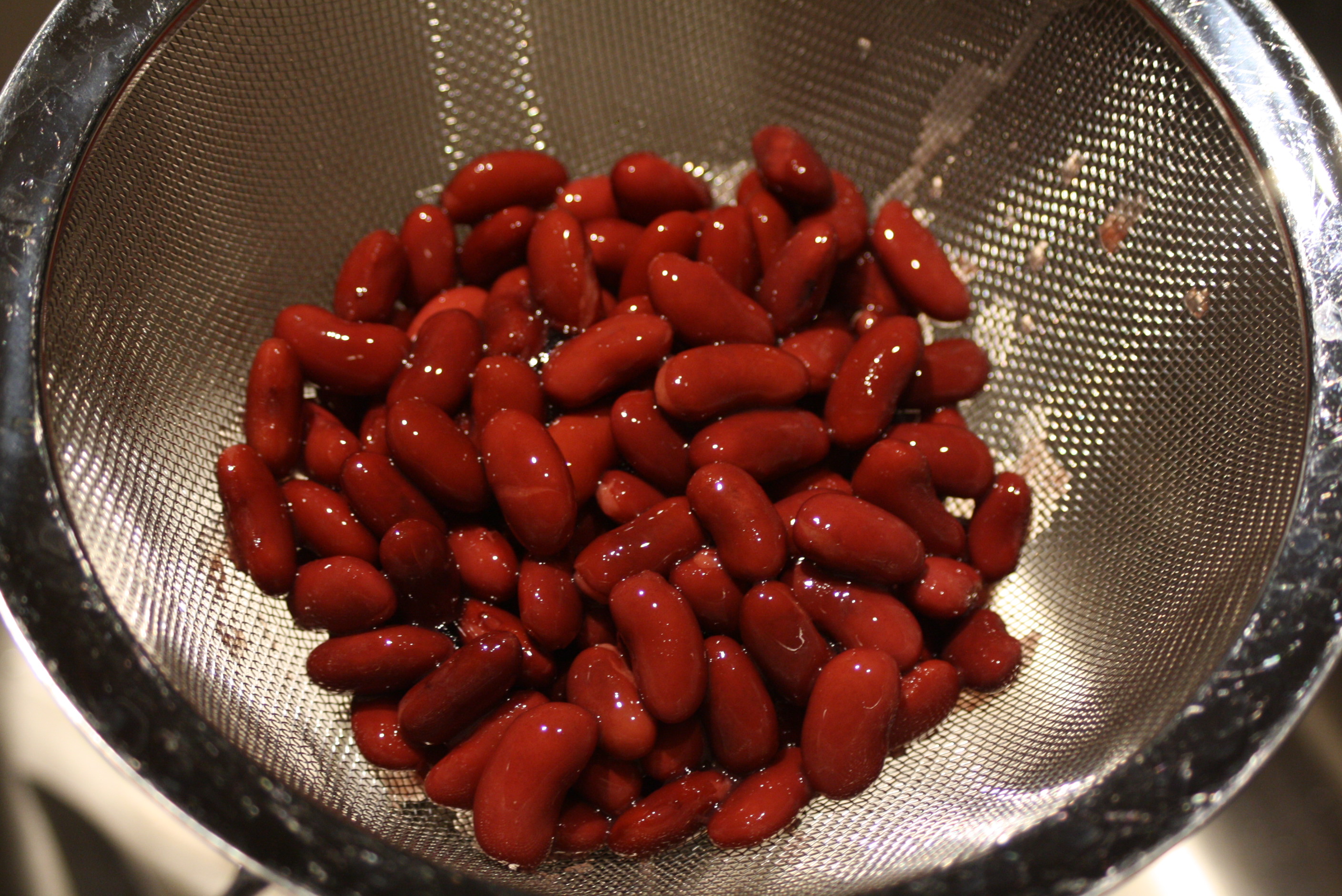
So, you’re standing there, a can of kidney beans in one hand, a colander in the other, and the ghosts of chili competitions past whispering in your ear. The question hangs in the air like steam from a simmering pot: Do you wash kidney beans for chili? Let’s dig into this saucy debate, because honestly, this is the kind of decision that can make or break your game day, your cozy night in, or your reputation as the neighborhood chili whisperer.
First, the straight talk: yes, you absolutely can wash them. But it’s not a law—it’s more like a friendly suggestion from your future self. Think of that can of beans as a salty little secret. The liquid they’re swimming in—that glossy, murky stuff—is packed with sodium and starches. If you dump it straight into your chili, you’re not just adding beans; you’re adding a briny, thickening goo that can muddy the flavor of your slow-cooked masterpiece. A quick rinse under cold water for 30 seconds, and you’ve got fresher, cleaner beans ready to soak up all that smoky cumin and chili powder glory. Plus, your friends won’t need a glass of water after the first bite.
But wait—there’s a zippy little twist from the food science crowd. Some chefs argue that the starchy bean liquid is a secret weapon for texture. A splash of it can make your chili thicker, richer, and more velvety, like a hug in a bowl. So if you’re the type who likes your chili to cling to a spoon like it’s holding on for dear life, maybe skip the rinse. Just know you’re also adding salt, so adjust your seasoning accordingly. It’s a gamble, but a delicious one.
Must Read
Then there’s the health angle, and here’s where I get a little preachy—but in a fun way. Canned kidney beans can pack a wallop of sodium, sometimes up to 40% of your daily intake in one serving. Rinsing them for a minute can slash that number by about a third. Your blood pressure will thank you, and you can save that sodium indulgence for a slice of cornbread slathered in butter. See? Compromise. It’s the chili way.
Now, if you’re using dried kidney beans (look at you, overachiever!), the rules change completely. Dried beans need a proper soak and a vigorous boil—at least 10 minutes—to neutralize a naturally occurring toxin called phytohaemagglutinin. Don’t skip this unless your idea of a fun evening involves a sudden, unscheduled bathroom sprint. Seriously. Canned beans are already boiled and safe, so you can relax. But if you’re a dried-bean purist, treat that boil like a sacred ritual.
 Canning Chili Con Carne in a Nesco Canner: Step-by-Step Guide
Here’s my hot take: for chili, I say rinse those red beauties. Why? Because chili is a layered dish. It’s about the slow build of flavors—the beefy depth, the sweet char of onions, the smoky heat of paprika. Adding unrinsed beans is like inviting a loud guest who talks over everyone. A rinse lets the beans be supportive backup dancers, not the star who hogs the spotlight. But hey, if you forget, it’s not the end of the world. I’ve made award-winning chili with both methods, and the only thing people remember is whether you brought enough shredded cheese.
So, as you ready your pot, remember this: chili is forgiving. It’s a dish that loves a little mess, a little improvisation, and a lot of heart. Whether you rinse, drain, or straight-up pour from the can, the soul of your chili comes from the time you spend stirring, tasting, and laughing. And if someone gives you side-eye over your bean-washing choices? Just hand them a bowl and grin. Life’s too short for bean shame. Now go forth, chili champion—your kingdom awaits, one deliciously messy spoonful at a time.
