Do You Use Dry Or Sweet Marsala For Chicken Marsala

The Great Marsala Showdown: Sweet vs. Dry for Chicken Marsala So, you’re staring at the wine aisle. The bottle says “Marsala.” Your brain screams, “Chicken Marsala!” But then...

The Great Marsala Showdown: Sweet vs. Dry for Chicken Marsala
So, you’re staring at the wine aisle. The bottle says “Marsala.” Your brain screams, “Chicken Marsala!” But then, panic. Dry or sweet? It feels like a life-or-death quiz for dinner. Don’t worry, I’ve got you. Let’s settle this once and for all.
First, a quick truth bomb. Dry Marsala is the classic choice. That’s what the Italian nonnas use. It’s the secret handshake of the dish. You want that savory, mushroom-heavy sauce to taste like dinner, not dessert.
But wait—sweet Marsala has a fan club, too. It’s a sneaky little minx. It adds a caramelized, almost honey-like depth. Think of it as the dish’s sweet-talking cousin who shows up uninvited but steals the show.
Must Read
Here’s the quirky fact: Marsala is fortified wine. Just like sherry or Port. They added brandy to it in the 18th century to keep it from turning to vinegar on ships. So technically, you’re cooking with history. And a splash of pirate-proofing logic.
Dry Marsala is called secco. Sweet is dolce. Say them out loud. Secco sounds like a snappy Italian hand gesture. Dolce sounds like a hug from a pastry chef. Pick your vibe.
If you use sweet Marsala, your sauce will sing a lullaby. It’s rich, sticky, and a little bit dangerous. One spoonful and you’ll be dipping bread in it. But be warned: too much sweetness can clash with the salty capers or Parmesan you might sneak in.
Now, the hard truth from pro chefs. Most restaurant-quality Chicken Marsala uses dry. Why? Because dry Marsala lets the umami shine. It’s the wingman for mushrooms, garlic, and thyme. Sweet Marsala can bully those flavors into submission.
But here’s the fun part: recipes are liars. Many old-school Italian-American cookbooks call for sweet Marsala. They say, “It’s tradition!” It’s not. It’s just nostalgia dressed up in a fancy label. You’re allowed to rebel.
Let’s talk about the actual taste difference. Dry Marsala smells like toasted nuts and autumn leaves. Sweet Marsala smells like raisins and brown sugar. Which one do you want hugging your chicken cutlets? Go with your gut.
I once made the mistake of using sweet Marsala for a dinner party. The sauce was delicious. But my friend—who was on a keto diet—took one bite and said, “Is this dessert?” I wanted to sink into the floor. Use dry to avoid awkward dinner table confessions.
Still undecided? Buy both bottles. Seriously. Dry for the chicken. Sweet for sipping while you cook. That’s the real chef’s secret. Or use sweet Marsala to make a killer zabaglione for dessert. It’s a two-for-one deal.
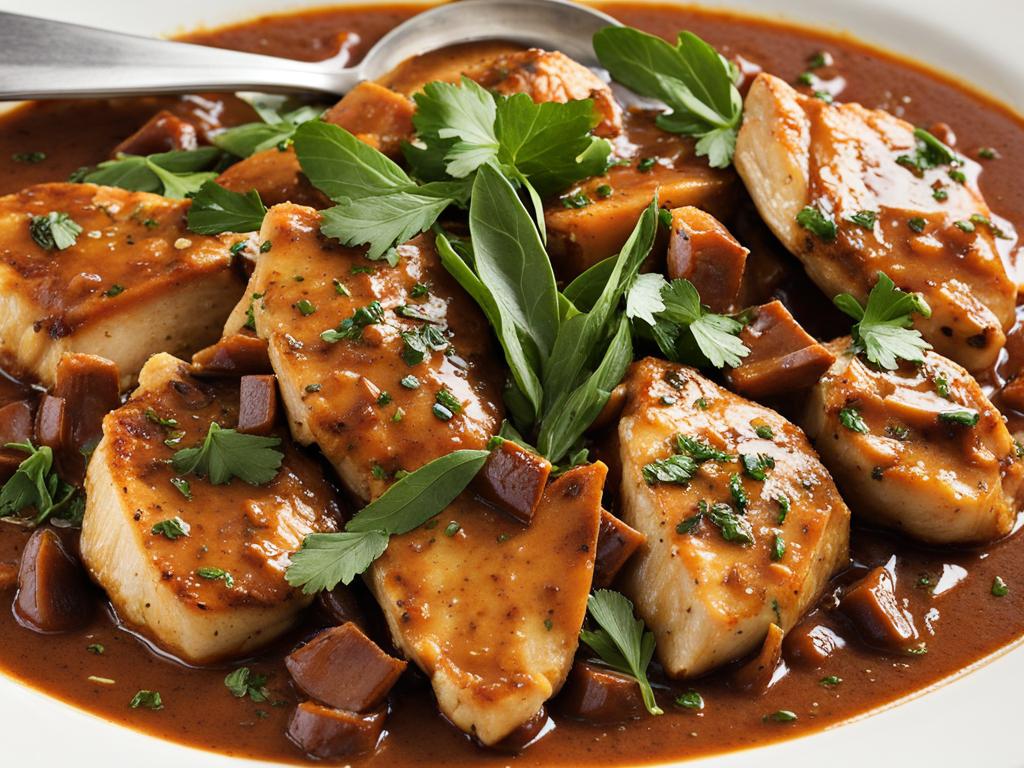 Savor the Classic Taste of Chicken Marsala at Home
Here’s a weird science fact: Marsala changes flavor when it hits heat. The alcohol burns off, but the sugar stays. Sweet Marsala gets sweeter when cooked. Dry Marsala gets nuttier and more savory. So your choice literally transforms the dish.
If you’re serving this to guests, go dry. It’s the safe bet that impresses everyone. If you’re cooking just for yourself and you have a massive sweet tooth? Go sweet. You do you. No judgment here.
One more thing: price matters. Cheap sweet Marsala is often just sugary swill. Good dry Marsala comes from proper winemaking regions like Sicily. Spend a little more on dry. Your taste buds will throw you a parade.
What about cooking wine? Please, no. That’s salty garbage water. Real Marsala has a DOC label—Denominazione di Origine Controllata. That means it’s legally protected. Don’t let the grocery store fool you.
I asked a Sicilian chef once. He laughed and said, “For chicken? Dry. For life? Sweet.” I think he was joking. But maybe not. Life is complicated. Chicken Marsala doesn’t have to be.
So here’s your cheat sheet. Dry = savory, classic, safe. Sweet = rich, bold, risky. If you want to taste Italy as it was meant to be, grab the dry. If you want to taste your childhood memory of Olive Garden, grab the sweet.
Final verdict: Use dry Marsala. Then, later, pour yourself a little glass of sweet Marsala with a biscotti. You get the best of both worlds. That’s called winning at life.
Now go cook. Make a mess. Lick the spoon. And remember: The difference between dry and sweet is just 39 grams of sugar per liter. No big deal. Unless you’re a chicken. Then it’s everything.
