Do You Season Steak Before Or After Searing

There are few culinary debates as passionately discussed as the timing of seasoning a steak. Whether you're a seasoned home cook or someone who simply loves a perfectly seared...
There are few culinary debates as passionately discussed as the timing of seasoning a steak. Whether you're a seasoned home cook or someone who simply loves a perfectly seared ribeye, understanding when to season can transform your steak from ordinary to extraordinary. This question matters because seasoning timing affects texture, flavor depth, and the quality of that coveted golden crust. A well-seasoned steak is the centerpiece of countless dinners, weekend gatherings, and quiet weeknight meals, making it one of the most universally valued cooking techniques in everyday life.
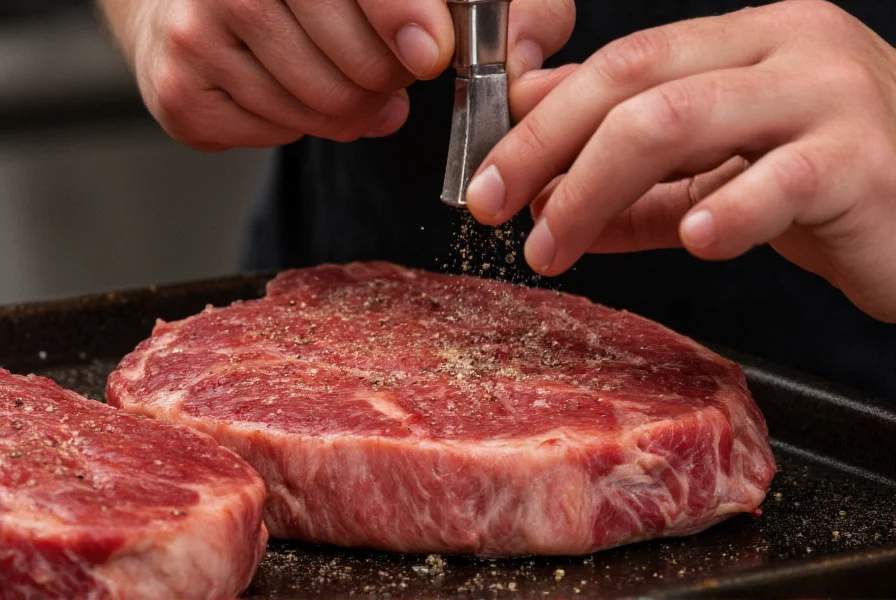
The primary purpose of seasoning before searing is to allow salt to penetrate the meat and enhance flavor from within. When you apply salt to a steak at least an hour before cooking, it draws out surface moisture, dissolves, and then is reabsorbed back into the muscle fibers along with its flavor. This process, often called a dry brine, seasons the meat more deeply and evenly than adding salt afterward. The benefit is straightforward: your steak tastes bold and well-seasoned in every bite, not just on the surface. Without this preparation, the interior can taste flat and rely solely on whatever happens to cling to the crust.
However, many cooks season immediately before placing the steak in the pan, believing that salt on the surface enhances the Maillard reaction, the chemical process responsible for that rich, brown sear. A little salt on the exterior can indeed promote browning and add a flavorful crust. Yet applying salt too far in advance without refrigeration can also pull excessive moisture to the surface, creating a barrier that hinders browning. For example, if you season a steak thirty minutes before cooking and let it sit on the counter, you might end up with a steamed rather than seared crust, disappointing anyone expecting that signature snap.
Must Read
Pepper and other spices introduce another layer to consider. Piperine in black pepper can become bitter when exposed to high heat for extended periods. Many professional chefs recommend applying pepper and aromatic spices after searing or during the final moments of resting. This approach preserves their delicate flavors while still giving you a seasoned finish. Think of a steak served in a restaurant where cracked pepper sits on top as a finishing touch rather than burned into the surface during intense heat. The result is a cleaner, more nuanced flavor that elevates the dish without overwhelming the meat.
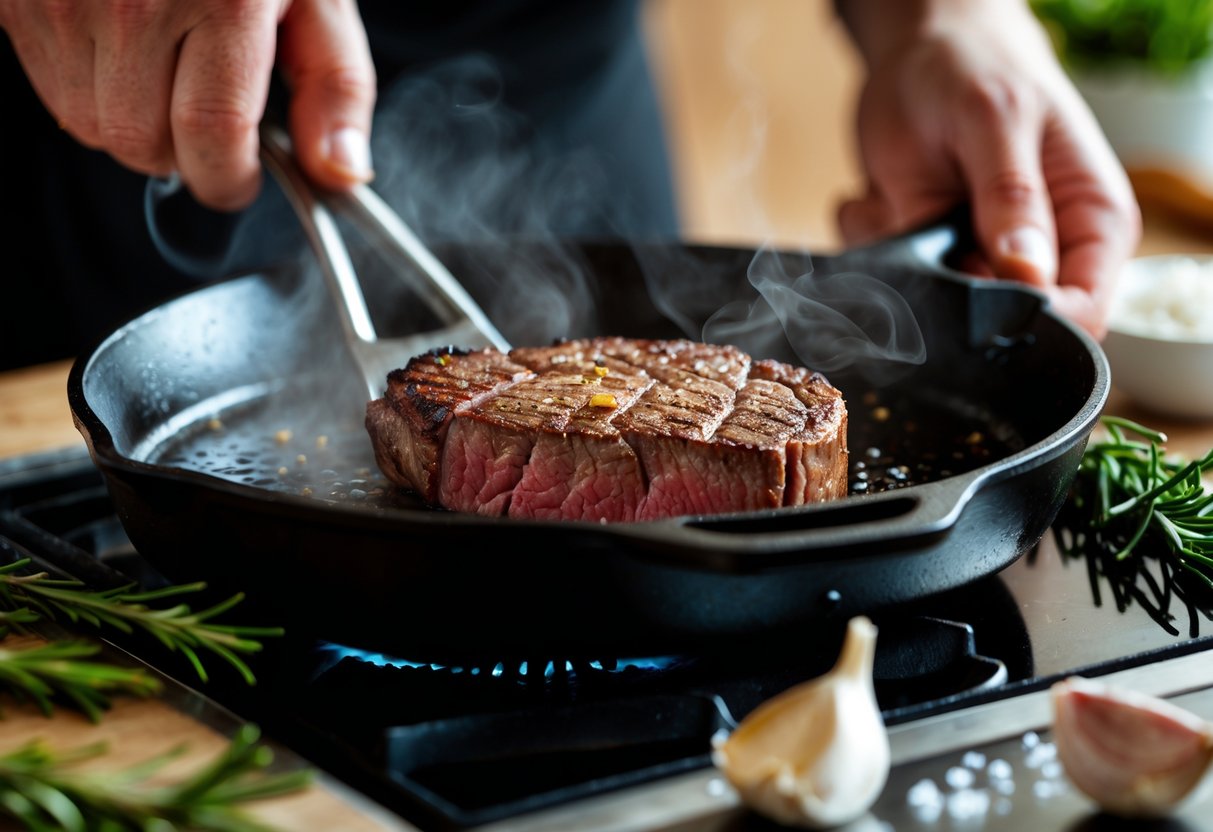
A practical strategy that balances these approaches involves salting early and finishing with pepper later. Season your steak generously with salt and rest it uncovered in the refrigerator for anywhere from forty minutes to twenty-four hours. This dry-brining method firms the surface, dries it out for better browning, and seasons the interior thoroughly. Then, just before it hits the screaming-hot cast iron pan, press on any remaining moisture with a paper towel, sear it without pepper, and crack fresh pepper over it during the rest. This gives you the best of both worlds: deep internal flavor and a perfectly caramelized crust alongside bright, aromatic spice.
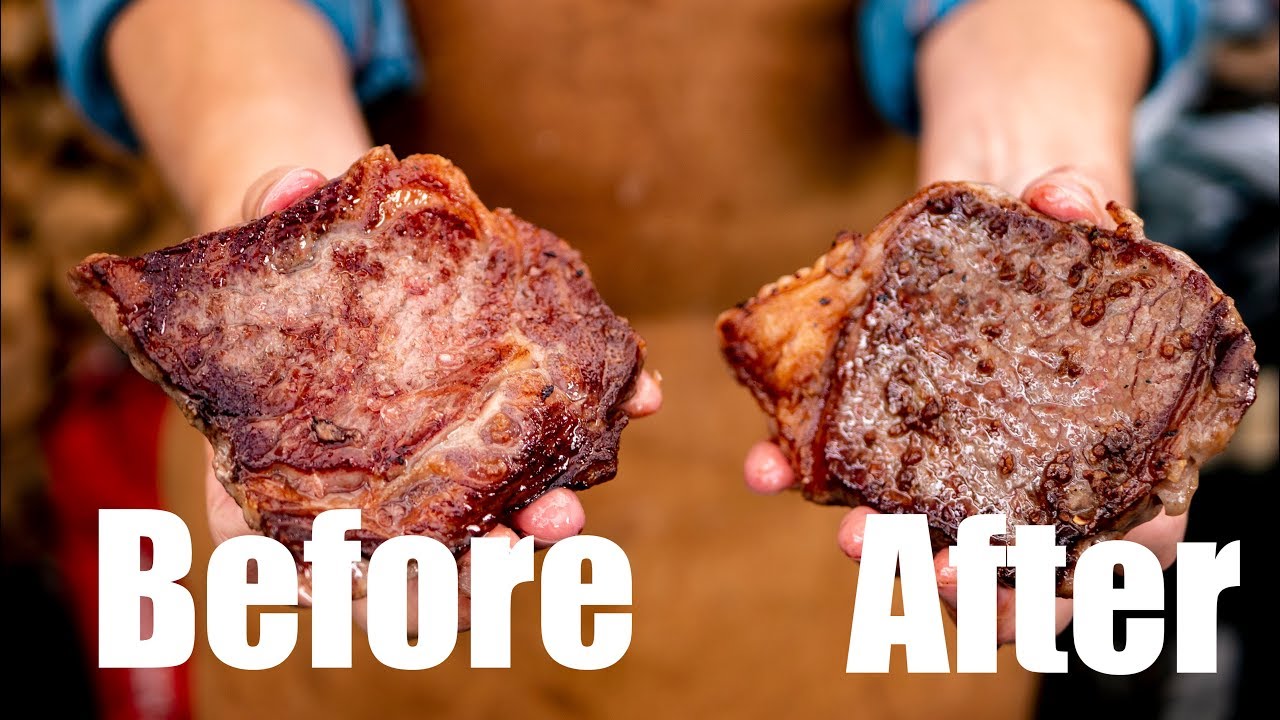 Season your steak before or after grilling?? - YouTube
Here are a few simple tips to experiment with on your own. First, try the overnight dry brine the next time you cook and compare it against a quick two-season approach. Second, play with salt types, as flaky finishing salt delivers a different texture and burst than fine kosher salt applied before cooking. Third, time your pepper application to find your preferred balance between seared and fresh. Fourth, always use a paper towel to achieve a dry surface before searing, because moisture is the enemy of a great crust. Finally, do not forget to rest your steak for five to ten minutes after cooking, allowing redistributed juices to carry seasoning evenly throughout each slice.
Ultimately, seasoning steak is both a science and a personal preference. The most reliable approach combines early salting for depth with post-sear seasoning for brightness and texture. By understanding what each method accomplishes, you gain the confidence to adjust timing based on the cut, the cooking method, and your own taste. Whether you prefer the simplicity of a quick rub or the thoroughness of an overnight brine, the key is experimenting deliberately and learning what delivers the steak that makes your table a place everyone wants to gather around.