Do You Rinse Kidney Beans When Making Chili

There is something profoundly satisfying about a pot of chili simmering on the stove, its aroma weaving through the house like a promise of warmth and comfort. Whether you pre...

There is something profoundly satisfying about a pot of chili simmering on the stove, its aroma weaving through the house like a promise of warmth and comfort. Whether you prefer it fiery with habaneros, smoky with chipotle, or hearty with extra beef, chili is a staple of cozy evenings and game-day gatherings. One of its key ingredients—kidney beans—often sparks a quiet but persistent debate: should you rinse them before they hit the pot? The answer matters more than you might think, not just for your chili’s flavor, but for its texture, digestibility, and even your overall cooking experience. Understanding this simple step can transform your chili from good to exceptional.
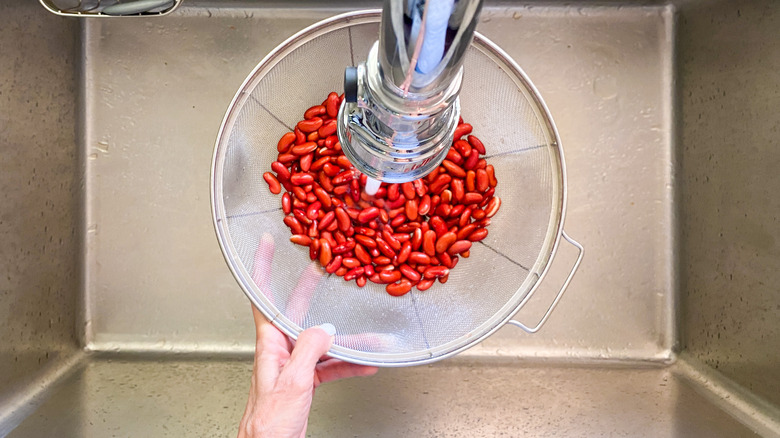
The primary purpose of rinsing canned kidney beans is to reduce sodium. The canning process preserves the beans in a salty liquid, which can contain around 700 to 900 milligrams of sodium per serving. If you pour that brine directly into your chili, you are adding a significant, often uncontrollable amount of salt before you even season your dish. By rinsing the beans under cool water for about 30 seconds, you can remove up to 40% of that sodium. This gives you full control over the final seasoning, allowing your chili’s spices—cumin, chili powder, oregano—to shine without being overwhelmed by salt.
Beyond sodium, rinsing directly impacts the texture and consistency of your chili. The liquid in the can is starchy, thick, and often slightly slimy. When added to chili, it can create an unpleasantly dense, pasty sauce—especially if you plan to simmer the chili for a long time. A great chili relies on a balance of rich, meaty juices and tomato base, not bean starch. By rinsing, you ensure the beans remain firm and separate, each one a satisfying, tender bite that contrasts beautifully with the chili’s robust, saucy components. Imagine a spoonful where every bean holds its shape, rather than disintegrating into a muddy blur.
Must Read
There is also a matter of digestive comfort. Canned beans are already cooked, but the brine contains oligosaccharides—complex sugars that some people find hard to digest, leading to gas and bloating. Rinsing the beans reduces these compounds significantly, making the chili gentler on your stomach. For those who love chili but often feel uncomfortable afterward, this simple step can be a game-changer. It allows you to enjoy a hearty, fiber-rich meal without the unwelcome aftereffects, turning a potential discomfort into a purely pleasurable experience.
To illustrate, consider two scenarios. In the first, a home cook opens a can of kidney beans, dumps the entire contents—liquid and all—into the pot, then adds a teaspoon of salt, pepper, and chili powder. The resulting chili tastes flat and overly salty, with a murky, almost gluey texture. In the second, the same cook rinses the beans, drains them well, and then seasons the chili to taste. The final dish has a bright, layered spice profile, each ingredient distinct. The beans are tender but not mushy, and the sauce coats the spoon with a silky, not heavy, consistency. The difference is night and day.
 Instant Pot Rajma (Kidney Bean Curry) Recipe
For those eager to explore this tip, here are a few simple approaches. First, always use a colander—rinse the beans under cold running water for at least 30 seconds, shaking the colander gently to ensure all surfaces are cleaned. Second, pat them dry with a paper towel if you plan to add them later in the cooking process; this prevents excess water from diluting your chili. Third, consider adding rinsed beans later in the simmer—about 15–20 minutes before serving—rather than at the start. This prevents them from overcooking and breaking apart, preserving their delightful bite. Finally, taste your chili before adding extra salt; the beans may still have trace sodium, and your spices will already provide depth.
In the end, the choice is yours, but the evidence points clearly toward rinsing. It is a small, almost invisible act that pays big dividends in flavor, texture, and health. The next time you stand over a can of kidney beans, ready to build your chili masterpiece, take a moment to run them under the tap. Your taste buds—and your dinner guests—will thank you. Because a great chili isn’t just about the heat or the meat; it’s about every thoughtful detail that turns a simple meal into a moment of genuine warmth and joy.
