Do You Rinse Brine Off Turkey Before Cooking

There's a cozy kind of joy that comes with debating small kitchen rituals, and whether to rinse the brine off a turkey sparked before roasting is one of the most relatable dis...
There's a cozy kind of joy that comes with debating small kitchen rituals, and whether to rinse the brine off a turkey sparked before roasting is one of the most relatable discussions among home cooks everywhere. It's a topic that's practical, widely appreciated, and genuinely useful because the answer can make a noticeable difference in food safety, flavor, and texture. Whether you're a Thanksgiving veteran or a first-time turkey roaster, understanding this small but important step helps you serve a bird that's both delicious and safe for everyone at the table.
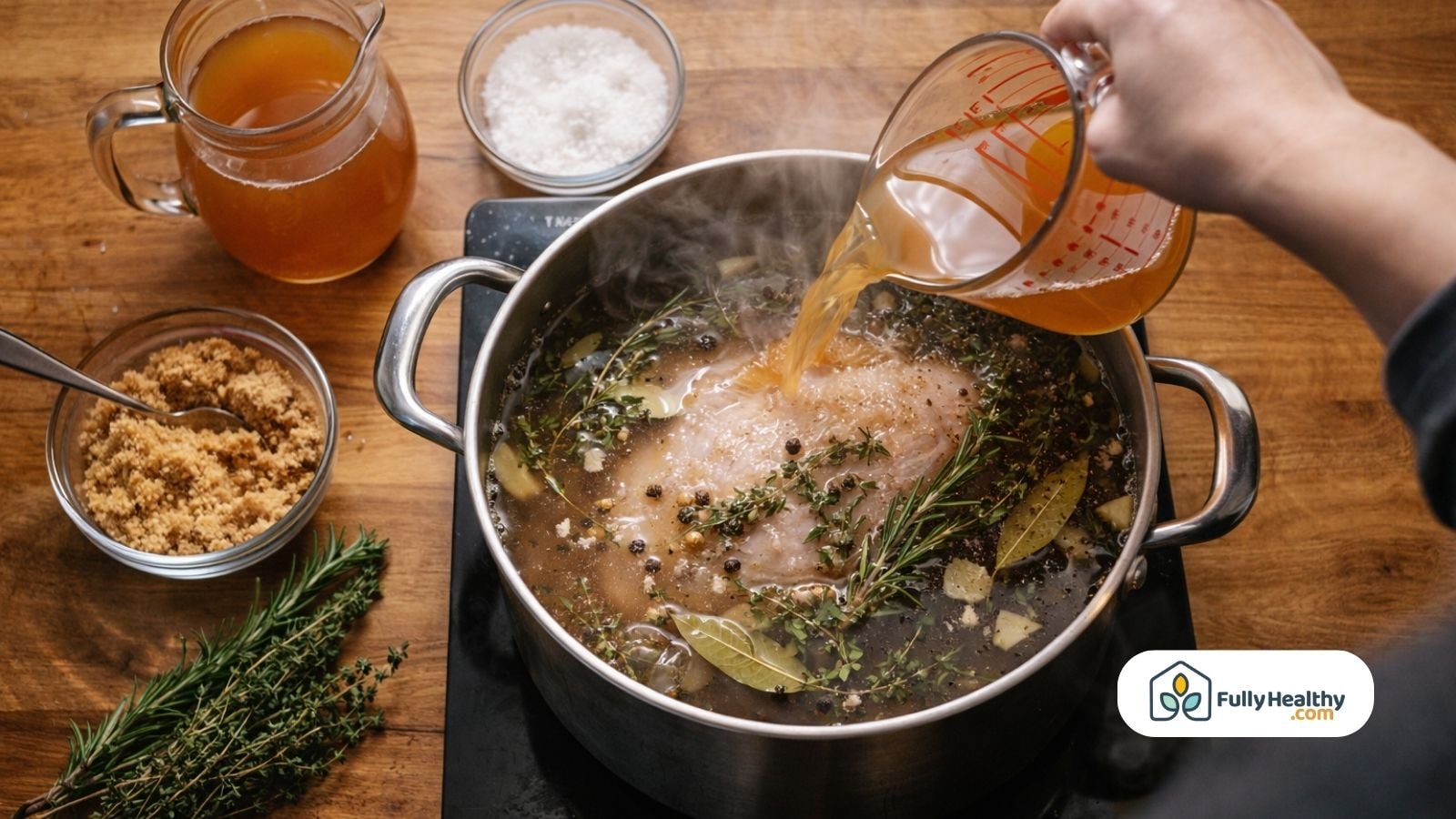
The main purpose of rinsing — or choosing not to rinse — brine off a turkey is to remove excess salt and surface moisture left behind by the soaking process. Brining is a time-honored technique that involves submerging the bird in a saltwater solution, sometimes with herbs and aromatics, to infuse moisture deeper into the meat. After days of soaking, the turkey's surface is coated with residual brine liquid that can influence how the skin crisps and how evenly the meat absorbs seasoning. Getting this step right can elevate your roast from average to exceptional.
Many home cooks and food safety experts actually advise against rinsing the turkey entirely. The USDA has cautioned that rinsing raw poultry can splash bacteria like Salmonella onto surrounding surfaces, spreading contamination in your kitchen. Instead of washing, the recommended approach is to pat the turkey dry thoroughly with clean paper towels. This method removes surface moisture and leftover brine without the risk of spreading germs, giving you a safe workflow and, not to mention, much crispier skin when the turkey hits the oven.
Must Read
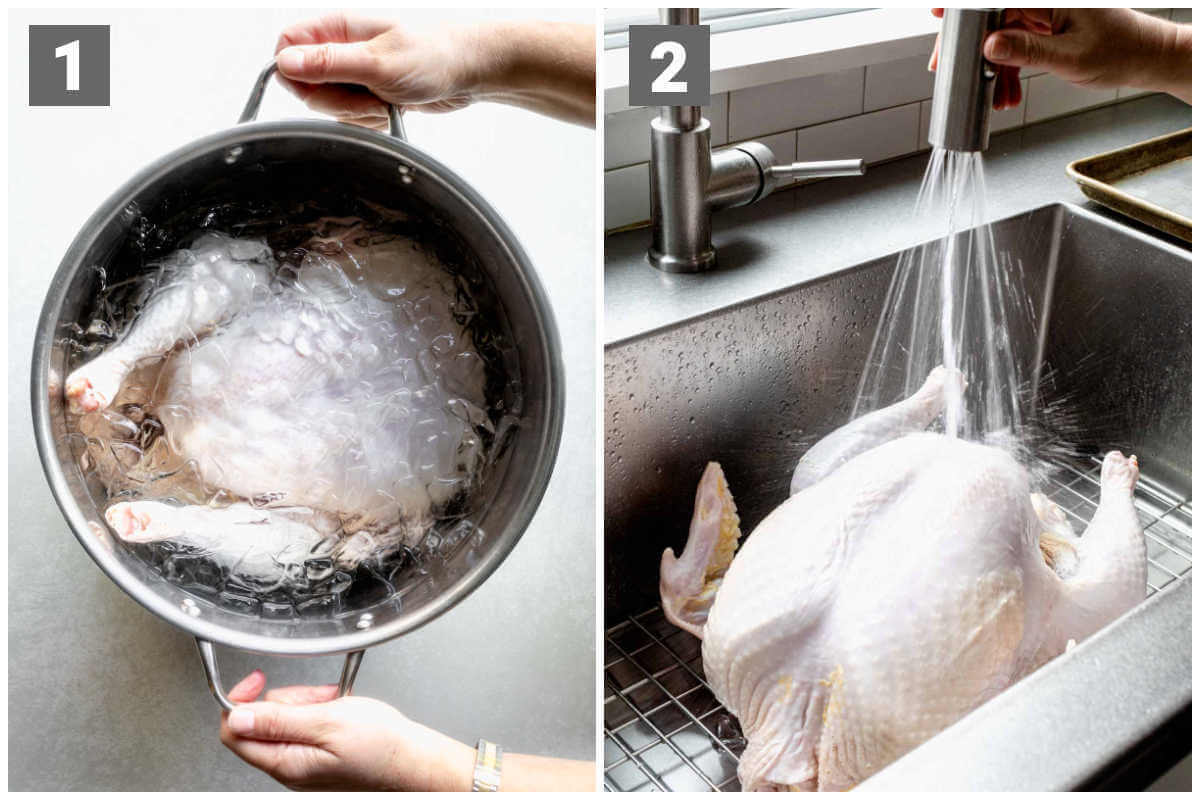
On the other hand, some cooks — particularly those using older family recipes or heavily seasoned brines — prefer to give the turkey a quick final rinse under cold running water to wash away any particularly salty or oddly flavored residue. These variations often come from traditional wet brines loaded with garlic, onion, and heavy salt concentrations. In those cases, a quick rinse followed by aggressive drying can help achieve a cleaner, more balanced flavor. Neither approach is "wrong" as long as you understand the trade-offs between safety and taste.
Another popular variation is the dry brine, where salt and seasonings are rubbed directly onto the turkey and left uncovered in the refrigerator for 12 to 24 hours. With this method, the salt dissolves into the meat naturally, so there is no surface liquid to rinse off at all. This technique has surged in popularity because it produces remarkably crispy skin and avoids the mess of wet brines. If you've been wondering what all the fuss is about, a dry brine is an easy and forgiving place to start.
:max_bytes(150000):strip_icc()/brine8-59c31860396e5a0010045d4b.jpg) How to Brine a Turkey: Step-by-Step Guide
How to Brine a Turkey: Step-by-Step Guide
To make the best decision for your bird, start by considering your brining method. If using a wet brine, gently lift the turkey out of the liquid and place it on a cutting board lined with paper towels. Do a final and thorough dry both inside and out — this is your crucial step. If you feel the surface is excessively salty or slimy, a very brief cold rinse is acceptable, just make sure to dry the turkey completely afterward. Always clean and sanitize any surface the raw bird or brine touched.
Ultimately, the choice to rinse or skip the rinse comes down to a balance between kitchen safety and personal preference. Both paths lead to a flavorful, juicy turkey when executed with care. Try one method this holiday, pay attention to the skin crispness and seasoning level, and adjust next time. Cooking is a journey of small discoveries, and even a simple step like this can turn a good turkey into a great one.
:max_bytes(150000):strip_icc()/101961945_Turkey-in-Brine_Photo-by-Meredith-bc943f45adf04c8d8a80dfc094ad9ccc.jpg)