Do You Need To Rinse Kidney Beans For Chili

Alright, let’s talk about chili. More specifically, let’s talk about that can of kidney beans sitting in your pantry, staring at you with its little metallic, judgmental eye....

Alright, let’s talk about chili. More specifically, let’s talk about that can of kidney beans sitting in your pantry, staring at you with its little metallic, judgmental eye. You’re about to dump it into a pot of simmering meat, tomatoes, and spices, but then you pause. Do I really have to rinse these things? It’s a valid question, and honestly, it’s more interesting than you might think.
First, let’s get the elephant out of the room: the slime. You know the stuff—that thick, cloudy liquid that clings to the beans like it’s their job. It’s not poison, but it’s also not your friend. That liquid is a mix of starch, salt, and sometimes preservatives from the canning process. Rinsing it off is like giving your beans a quick shower before they hit the party. Would you show up to a chili cook-off covered in glue? Probably not.
The Salt Bomb
Here’s a fun fact: that canning liquid is packed with sodium. Like, seriously packed. A single can of kidney beans can contain up to 400 to 500 milligrams of sodium just from the liquid alone. That’s about a quarter of your daily salt intake, and you haven’t even added your chili seasoning yet. Rinsing and draining can cut that sodium by nearly 40 percent. It’s like finding out your favorite snack is secretly health-adjacent. Who doesn’t love a sneaky win?
Must Read
But maybe you’re a salt lover. You like your chili with a kick that could wake the dead. That’s fine—you do you. But here’s the thing: you control the salt when you add it yourself. Rinsing the beans takes that control away from the can and puts it back in your hands. It’s like choosing your own adventure, but for your taste buds.
The Texture Thing
Let’s talk mouthfeel, because that’s a word we all love saying at parties. Kidney beans that aren’t rinsed can leave your chili with a slightly slimy, almost soapy texture. It’s not gross, but it’s a vibe. If you want a chili that’s thick, hearty, and lets the beans stand on their own, rinsing gives you that clean, firm bite. Think of it like the difference between wearing a crisp, new T-shirt versus one you pulled from the bottom of the laundry pile. Both cover you, but one feels better.
And here’s where it gets fun: some people argue that the canning liquid actually helps thicken your chili naturally. They’re not wrong—starch does that. But it’s a trade-off. You get a slightly thicker broth at the cost of a cloudier, more one-note flavor. It’s like putting ketchup on a steak. Is it allowed? Sure. Is it the best choice? Probably not.
The Gas Factor
Alright, let’s get real for a second. Beans have a reputation, and it’s not for being shy at parties. That gassy feeling comes from complex sugars called oligosaccharides that your gut struggles to digest. Rinsing doesn’t remove all of them—sorry, no magic trick there—but it does wash away some of the canned water that contains those sugars. It’s a small step, but every little bit helps. Combined with proper soaking if you’re using dried beans, rinsing is like giving your stomach a five-minute head start. You’re basically being a good host to your own digestive system.
 Instant Pot Rajma (Kidney Bean Curry) Recipe
Ever notice how some chili recipes call for cooking the beans separately before adding them? It’s not just chef flexing. That process also helps remove some of the gas-causing compounds. But for the lazy (or busy) cook, a quick rinse is a solid shortcut. It’s the fast-food version of bean preparation, but in a good way.
The Art of the Rinse
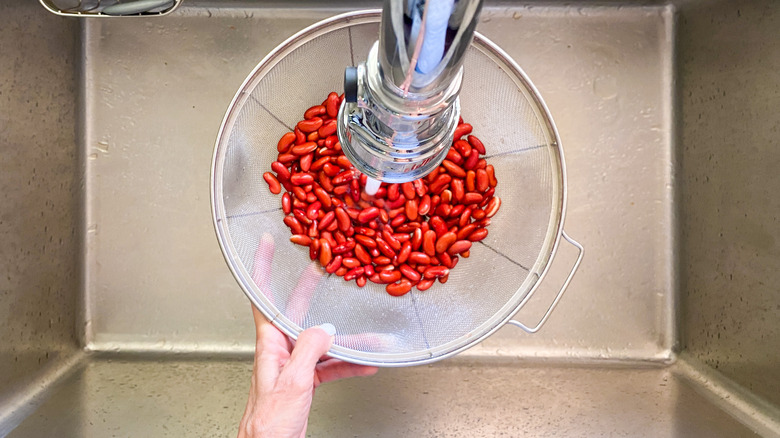
So, what’s the actual technique? It’s embarrassingly simple. Open the can, dump the beans into a colander, and run cold water over them for about 30 seconds. Let them drain completely. That’s it. You just upgraded your chili like a pro. It takes less time than it does to read the ingredients on the back of the can. Time well spent, friend.
But here’s the counterpoint: some chili recipes, especially those from Texas or Louisiana, intentionally use the canning liquid for that thicker, almost gravy-like consistency. They call it “pot liquor,” and they treat it like liquid gold. If you’re going for that deep, Southern-style chili, by all means, skip the rinse. It’s your kitchen, your rules. But for a standard, weeknight chili that’s balanced and not a sodium bomb, rinsing is your best buddy.
The Verdict (Sort Of)
At the end of the day, the question isn’t really should you rinse your kidney beans. It’s why wouldn’t you? It takes no effort, it improves texture, it lowers salt, and it might save you from an awkward moment of bean-related regret later. It’s like flossing—you know you should, and once you do it, you feel a little better about yourself. But if you forget, the chili police won’t kick down your door. Promise.
So go ahead, rinse those beans. Or don’t. Either way, your chili will be good. But if you rinse? It might just be great. And in a world of chaos, a great bowl of chili is a tiny, beautiful victory. Now go cook something delicious, and don’t forget to taste as you go. Your taste buds will thank you.
