Do You Need To Refrigerate Buttercream Icing

Buttercream icing is one of the most beloved toppings in the world of home baking and professional cake decorating. From birthday cakes to tiered wedding creations, this sweet...
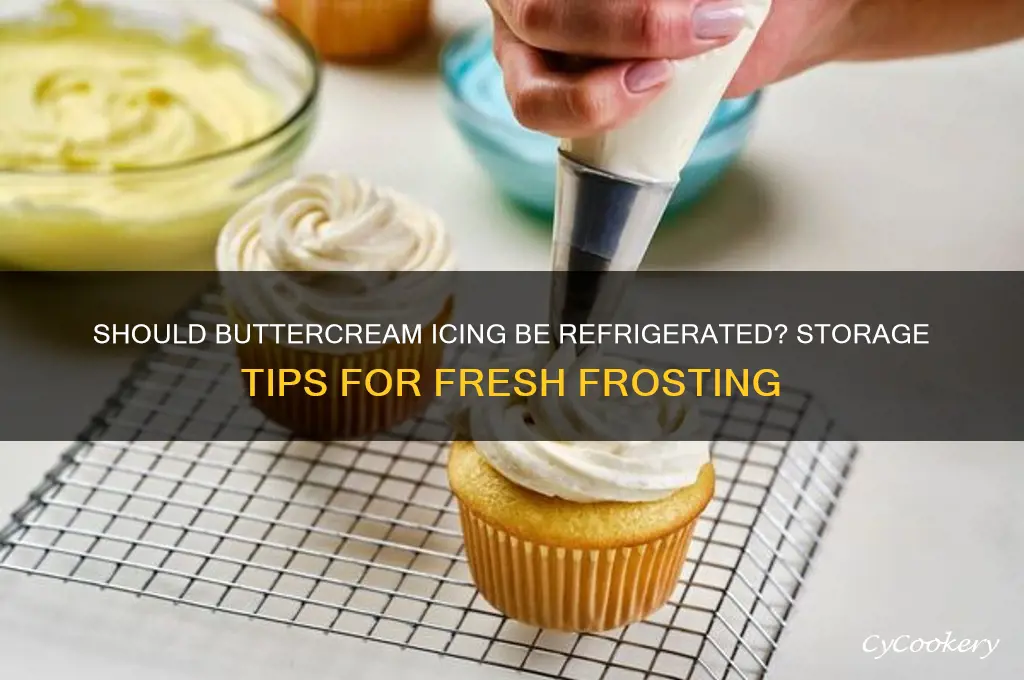
Buttercream icing is one of the most beloved toppings in the world of home baking and professional cake decorating. From birthday cakes to tiered wedding creations, this sweet, creamy spread brings joy to kitchens and celebrations everywhere. But with its popularity comes a common question that confuses bakers of all skill levels: do you actually need to refrigerate buttercream icing? The answer depends on several factors, and understanding them can help you keep your treats safe, fresh, and delicious for longer.
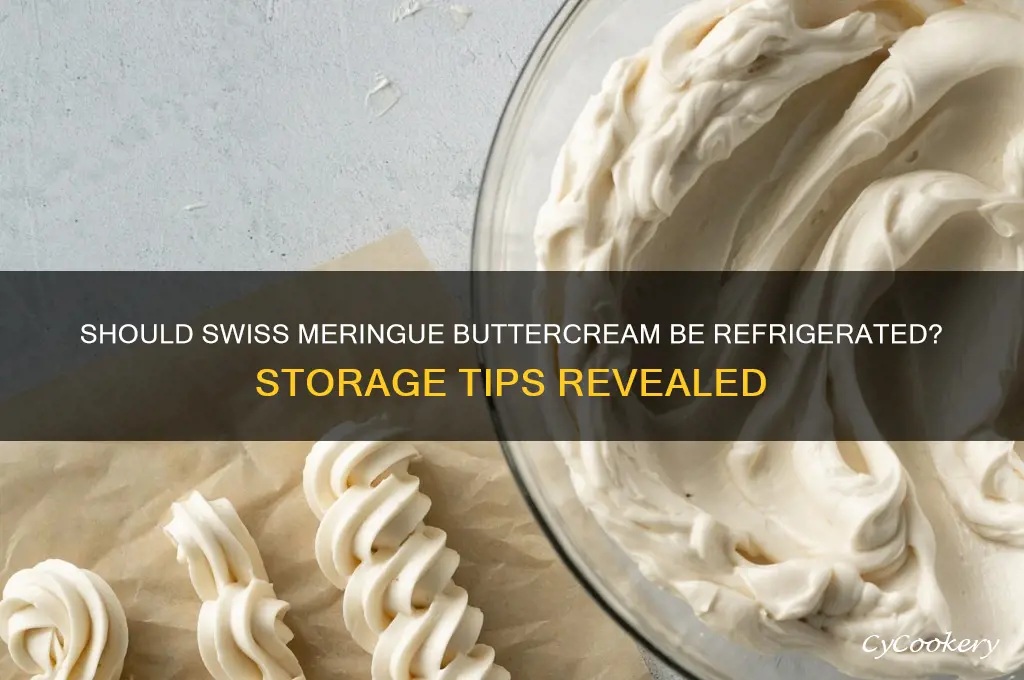
Not all buttercream is created equal, and the type you make significantly affects its refrigeration needs. American buttercream, made with butter and powdered sugar, tends to be more stable at room temperature thanks to its high sugar content. Sugar acts as a natural preservative, which means American buttercream can often sit out comfortably for a day or two without spoiling. On the other hand, Swiss meringue buttercream and Italian meringue buttercream, which rely on cooked egg whites as a base, are more delicate and perishable. Since these varieties contain egg components, they are better kept in the refrigerator if they will not be used within a few hours.
Temperature and climate play a huge role in this decision as well. If you live in a hot, humid environment where kitchen temperatures frequently exceed 75°F (24°C), buttercream made with real butter can begin to soften, melt, or even develop a greasy texture. High humidity also encourages mold growth over time. In such conditions, refrigerating buttercream — or even placing your frosted cake in the fridge — becomes a smart safety measure. Conversely, in cool, dry climates or air-conditioned homes, buttercream frostings generally hold up well outside the fridge for shorter durations like a party or a weekend gathering.
Must Read
Many families encounter this question during real-life celebrations. Imagine you're baking a cake for your child's birthday party on Saturday. You frost the cake on Friday night and want it to look perfect by morning. Should it go into the fridge? If you're using American buttercream with plenty of butter and sugar, you can most likely leave the cake covered on your countertop overnight. However, if your frosting includes cream cheese, fresh fruit fillings, or dairy-based whipped elements, then refrigeration becomes essential to prevent bacterial growth. Restaurants and bakeries follow strict guidelines because they prioritize food safety — and home bakers can borrow from that same wisdom.
Here are some practical tips to help you decide and store buttercream properly. First, always keep your buttercream in an airtight container whether you refrigerate it or not, because butter absorbs odors easily from the fridge. Second, if you do refrigerate icing, let it come back to room temperature and give it a good re-whip before using — cold buttercream will be stiff and difficult to spread. Third, label your containers so you know how long the icing has been stored. Fourth, avoid mixing buttercream leftovers with a fresh batch, as unseen moisture or contamination could shorten its lifespan. Fifth, if your frosting contains perishable additions like cream cheese or whipped cream, never leave it out for more than two hours.
 Should Buttercream Icing Be Refrigerated? Storage Tips For Freshness
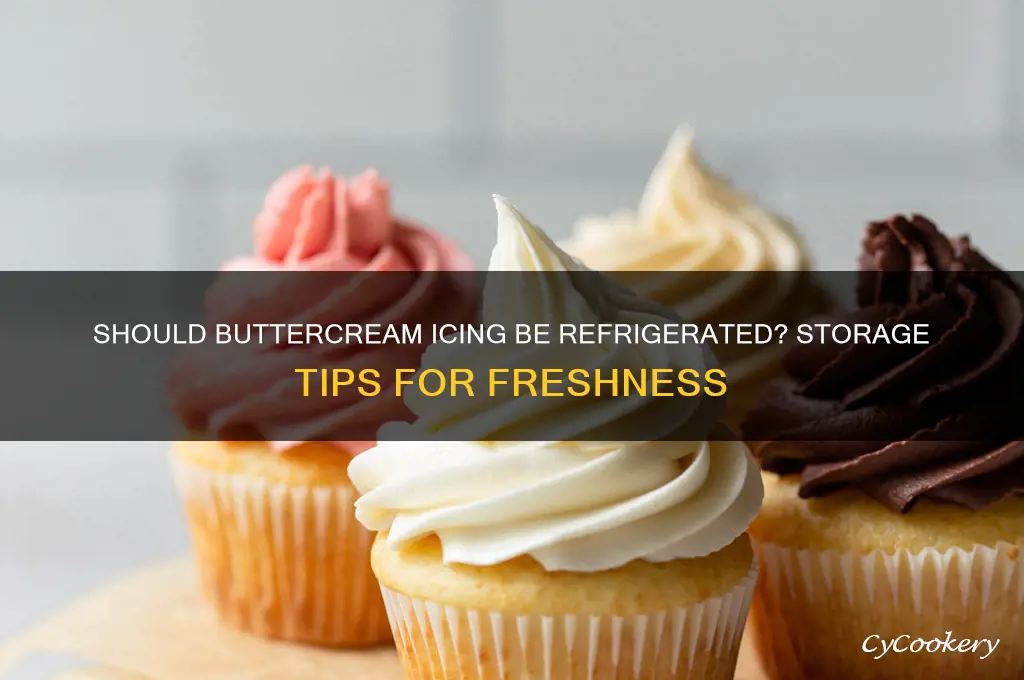
A helpful rule of thumb is this: if your buttercream contains no eggs, no cream cheese, and very little dairy, you can usually keep it at room temperature for a short period. If it contains any of those ingredients, or if the weather is warm, go ahead and refrigerate it. When in doubt, the refrigerator is always the safer choice. Proper storage also extends the life of your icing — refrigerated buttercream can last up to one week, while frozen buttercream can survive up to a month in a sealed container.
Understanding whether you need to refrigerate buttercream icing is ultimately about balancing convenience with safety. It protects not just your cake but the people who will enjoy it — your family, friends, and loved ones gathered around the table. With a bit of awareness about your specific recipe, your local climate, and basic food safety principles, you can make confident choices that keep your desserts looking beautiful and tasting wonderful. So the next time you whip up a batch of that gloriously smooth frosting, you'll know exactly where it belongs — on the counter or in the fridge — and your baking adventures will be all the sweeter for it.