Do You Need To Grease Parchment Paper

Let’s talk about a kitchen controversy that has likely ruined more Sunday brunches than a burnt casserole: Should you grease your parchment paper? I know, I know. You’re busy...
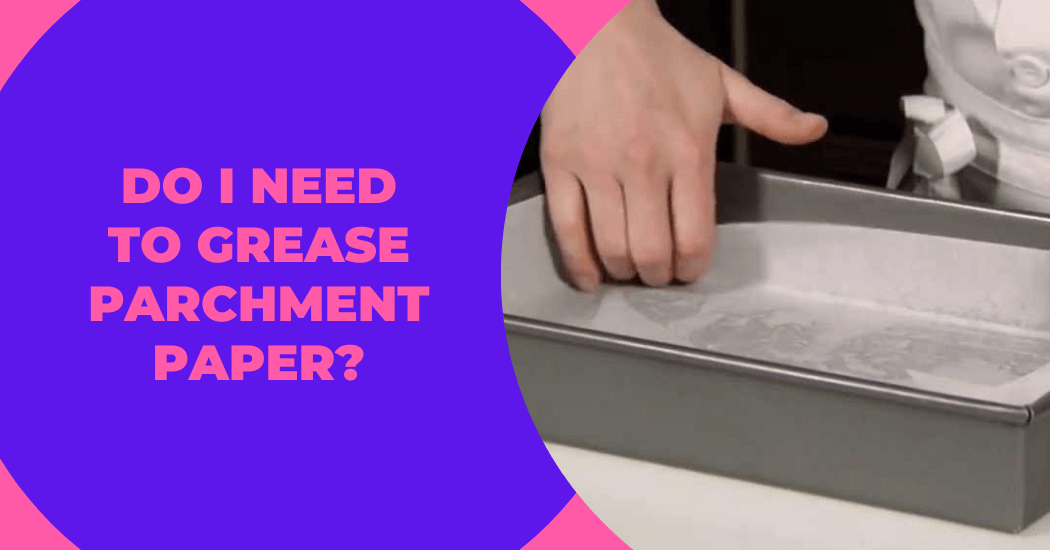
Let’s talk about a kitchen controversy that has likely ruined more Sunday brunches than a burnt casserole: Should you grease your parchment paper? I know, I know. You’re busy trying to channel your inner Julia Child while balancing a spatula, and now I’m asking you to grease the greasy paper. Settle in. We’re about to get very sticky.
The Great Parchment Lie
Here’s the secret the cooking-spray companies don’t want you to know: Parchment paper is already a miracle worker. It’s coated in silicone, which is basically Teflon’s cool, non-stick cousin who shows up to the party uninvited but somehow saves the cake. If you buy actual parchment—not wax paper, which will melt into a sad, waxy puddle—you can bake cookies, roast veggies, and even slide a lasagna onto a plate without a fight.
But then you read a recipe that says, “Grease the parchment,” and you freeze. You think, “Is this a trap? Will my brownies adhere to the paper out of spite?” The short answer, my friend, is no. For 99% of baking, you do not need to grease parchment paper. It’s like wearing a raincoat under an umbrella—redundant, kooky, and likely to make you sweat.
Must Read
When Parchment Plays Hard to Get
Of course, life is never that simple. There’s one villain in this story: sugar. If you’re making something with a high sugar content—like a sticky toffee pudding, a gooey honey cake, or those Pinterest-perfect caramel cookies—sugar can act like a supervillain. When sugar melts and caramelizes, it can fuse to the parchment like a desperate hug. In those rare, sticky moments, a light spritz of oil or a butter smear is a surprisingly good idea.
Think of it this way: normal parchment is a bouncer at a club. He keeps out trouble. But super-sweet batters are like a rockstar with a VIP pass—they’ll sneak past the bouncer and glue themselves to the walls. A little grease is your velvet rope. But for standard chocolate chip cookies or roasted broccoli? Do not grease. You’ll just end up with oily cookies, which is a tragedy I wouldn’t wish on my worst enemy.
Surprising Fact: Parchment Survives the Apocalypse
Here’s a jaw-dropper: parchment paper can withstand temperatures up to 450°F (232°C) without losing its cool. That’s hotter than your average pizza oven and definitely hotter than my neighbor’s temper when I borrow his lawn mower. But here’s the catch—if you grease it, you lower that heat tolerance. Oil can make the paper brittle or even cause it to smoke. So by adding grease, you’re essentially turning your trusty parchment into a weak-kneed drama queen.
I once greased a sheet for a batch of scones. The bottoms came out slick as a slip ‘n slide, and the scones tasted like they’d been deep-fried in regret. My roommate asked, “Did you butter the paper?” I lied. I said, “It’s a new recipe from Sweden.” She bought it, but the scones didn’t.
 How to Grease a Pan Like a Pro - Dutch Apron® Bakery
The One Weird Trick You Actually Need
If you’re making something that’s really a pain to remove—think meringues, macarons, or a fruit galette that’s weeping like a sad movie—do this instead of greasing: buy the good parchment. Not the cheap stuff that feels like wax paper’s ugly stepchild. Look for “natural” or “unbleached” parchment with a dual coating. It’s slightly more expensive, but it will release your food like a mama bird nudging her chick out of the nest—gently and with zero guilt.
And if you’re using a recipe from 1982 that says “grease liberally,” just ignore it. That recipe was written when people still thought margarine was health food and Jell-O molds were a dinner centerpiece. We know better now. Trust the paper. It went to non-stick school. It graduated with honors.
The Final Verdict (with a Punchline)
So, do you need to grease parchment paper? Maybe once a year, and only if you’re making a sugar bomb. Otherwise, let that silicone do its job. You’ve got better things to do—like washing the spoon you used to scrape the bowl, or arguing with your spouse about which spatula is “the good one.” Save your butter for toast, your oil for dressing, and your sanity for the next time you accidentally drop an egg on the floor.
And if someone tells you to grease parchment because “that’s how grandma did it,” just smile and nod. Then pour yourself a drink. Because grandmas also believed in putting mayonnaise on Jell-O, and we don’t talk about that at parties. Now go bake something—ungreased. You’ll be fine. I promise.
