Do You Need A Licence To Serve Alcohol

Serving alcohol can feel like the ultimate party credential — whether you're whispering that killer signed cocktail recipe across a bar or tending a rustic wedding barn, being...
Serving alcohol can feel like the ultimate party credential — whether you're whispering that killer signed cocktail recipe across a bar or tending a rustic wedding barn, being the person who pours the drinks brings entertainment value and connection. But before you start shaking and stirring behind any counter, there's an important question: do you actually need a licence to serve alcohol? Understanding the answer protects you from fines, keeps your guests safe, and lets your hospitality ambitions actually last. In this guide, we'll break down what the rules mean, share some real-world scenarios, and offer genuinely practical tips you can use today.
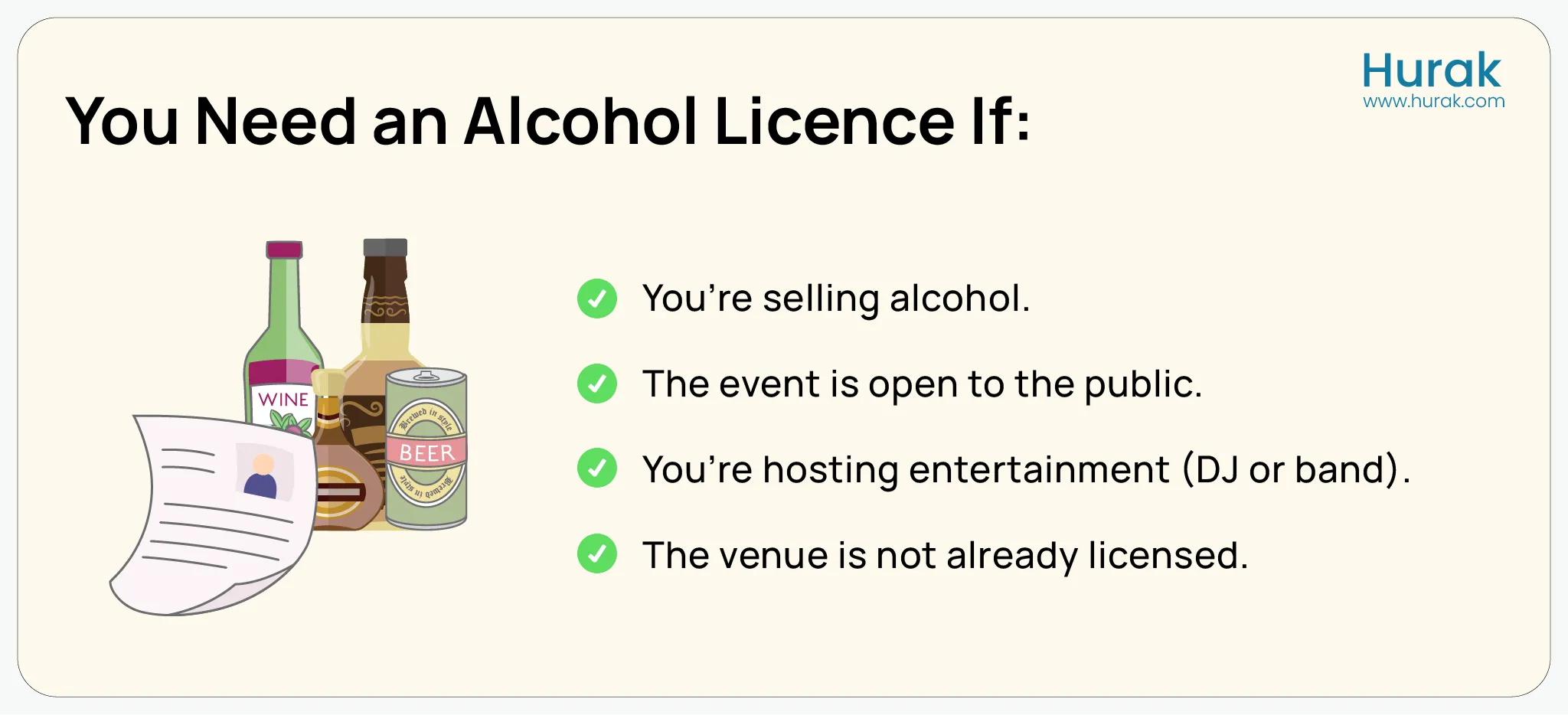
The short and honest answer is: most of the time, yes, you do need a licence. Especially if you are selling alcohol or being compensated for serving it, a valid licence is usually required. Different countries and even different states within a country handle this differently. In the United States, for example, many states require a bartender licence or a food-handler permit that specifically covers alcohol service, such as TIPS or ServSafe Alcohol certification. In the United Kingdom, you need a Personal Licence if you want to sell or supply alcohol on your own authority. The fines for ignoring these rules are not trivial — they can reach thousands of dollars or even result in criminal charges. So while it might sound boring compared to barefoot bartending, the paperwork really does point the way to a happier, headache-free pour.
Now, here come the fun exceptions. Not every scenario punches the need for a licence. If you're hosting a private party in your own home and handing out complimentary drinks you legally purchased, you have very few restrictions — anyone can be the bartender at their own dinner table. In many places, a temporary event permit lets community clubs, charity fundraisers, and wedding planners sell alcohol for a limited window without a permanent licence. Some locations have created a "small producer scheme" that lets micro-breweries and craft distilleries pour at farmers' markets. There's even the household exemption in places like Texas, where a plumber hitting it big at the barbeque can serve without a licence. Knowing these carve-outs gives you a better map of when you truly need permissions and when you're simply hosting friends at home.
Must Read
To make this concrete, picture a few scenarios. Imagine Sarah, a freelance mixologist who starts getting accepted for weekend pop-up bars. She has no licence yet, charges entry, and the venue pays her a flat fee. That raises a red flag — she's commercialised and likely needs that venue's licence to cover her, plus her own individual certification. Contrast with Jake, who runs the annual block party, tips people to designate-drinks, and hasn't charged for a single beer. Jake may qualify under the private-party exception in his region, but to protect everyone, he buys a temporary event permit anyway. Then there's Maria who pours Prosecco during her food-truck slit; she locks in a small, limited-purpose licence because her business renews every four months. These snapshots show that context — compensation, public access, and regularity — drives the requirement far more than bar technique ever could.
 Alcohol Handling License: Costly Mistakes To Avoid In 2026
Rather than overthinking the theory, here are practical tips you can act on right away. First, check your local government website before your first commercial pour — search the phrases "alcohol server licence," "temporary event permit," and "liquor licence requirements by city." Second, take an affordable online course such as TIPS, ServSafe Alcohol, or the Responsible Service of Alcohol program — these certificates generally take just a few hours and carry nationwide recognition in many states. Third, keep a copy of your licence on your phone and in a physical binder at work, because inspectors may ask for it on short notice. Fourth, make a habit of carrying government-issued photo ID when travelling to work events in case a venue asks for verification of your credentials.
Your smoothest pour starts with the paperwork, not the shaker. Whether you're a hobby host or a professional barista of booze, understanding whether you need a licence saves you from expensive surprises and lets you focus on what makes distributing drinks genuinely enjoyable: creating memorable moments for the people who trust your name on the menu. Start with the research step today, bookmark the specific page on the official government portal, and you'll be free to explore the cocktail world with total confidence. Cheers to responsible and confident serving!