Do You Have To Refrigerate Pears

There’s something so satisfying about biting into a perfectly ripe pear—that sweet, buttery flesh and the subtle crunch. But if you’ve ever stood in your kitchen, pear in hand...
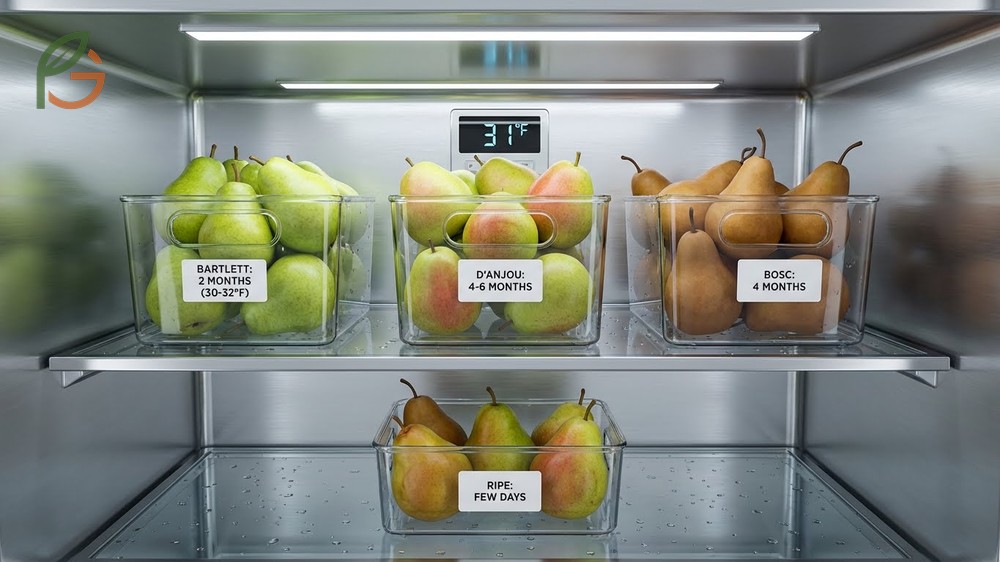
There’s something so satisfying about biting into a perfectly ripe pear—that sweet, buttery flesh and the subtle crunch. But if you’ve ever stood in your kitchen, pear in hand, wondering whether it belongs on the counter or in the fridge, you’re not alone. This topic is a practical little riddle that can make your fruit last longer and taste better. For home cooks, busy parents, or anyone who loves a good snack, understanding pear storage is a small but delightful win. It saves you from wasted fruit and ensures every bite is at its peak.
At its heart, the main purpose of knowing how to store pears is controlling ripening. Pears are unique because they ripen from the inside out, so they need a gentle touch after picking. Unlike apples, which can hang on the tree until perfect, pears are usually harvested firm and then develop their sweetness off the branch. This means your first decision should always be: is this pear ready to eat, or does it need a little time? Getting this right benefits everyone—it gives you juicy fruit for lunchboxes, elegant slices for a cheese plate, or a simple, healthy treat without the sugar crash.
Here’s the simple rule: do not refrigerate unripe pears. If your pear is still hard and green (or the variety’s usual color but feels rock-solid), leave it on the counter at room temperature. A cool, dry spot away from direct sunlight works wonders. Many people find that placing firm pears in a paper bag speeds up ripening, thanks to the ethylene gas they naturally release. Adding a banana or apple to the bag can accelerate the process even more—great if you’re impatient for that first bite. This is a common trick for Bartlett, Bosc, or Anjou varieties, and it reliably transforms them from crunchy to luscious in a few days.
Must Read
Now, here’s where the fridge comes in: once a pear is ripe, refrigeration is your best friend. A ripe pear yields slightly to gentle pressure near the stem and smells fragrant. At that point, it’s at its peak, and leaving it on the counter will cause it to overripen quickly—turning mealy or brown inside. Pop it into the refrigerator’s crisper drawer, and it will stay perfect for up to five days. For very ripe varieties like Comice or Seckel, refrigeration is almost mandatory to preserve their delicate texture. Think of the fridge as a pause button, not a starting pistol.
A practical tip for beginners: check your pears daily once they near ripeness. It’s easy to get distracted, but a day too long on the counter can turn a good pear into a sad one. If you buy a large bag, separate them—keep some on the counter to ripen slowly and move others to the fridge to eat later. This way, you always have a supply at different stages. Another pro move: wash pears only when you’re ready to eat them. Moisture encourages mold, so store them dry. For a quick snack, a chilled pear from the fridge is incredibly refreshing on a warm afternoon.
 Should You Refrigerate Pears? Optimal Storage Tips For Freshness
Variations in pear types matter, too. Asian pears, which are crisp and apple-like, can actually stay in the fridge for weeks without losing their crunch, but they should never be ripened on the counter—they’re already perfect when bought. Conference pears are especially forgiving and can be refrigerated even when slightly underripe, though they’ll take longer to soften. Ultimately, the golden rule is flexibility: let the pear tell you what it needs. If you’re ever in doubt, remember that counter for firm, fridge for fragrant is a mantra that rarely fails.
So, do you have to refrigerate pears? Not always, but knowing when to do it is a small act of kitchen wisdom. It turns a simple fruit into a reliable joy—whether you’re prepping a healthy lunch, impressing guests with a fruit bowl, or just treating yourself. Start with one pear today, give it a gentle squeeze, and let its ripeness guide you. That’s the easy-going, delicious way to make the most of every pear you bring home.

