Do You Have To Refrigerate Baking Soda After Opening

You know that little orange box of baking soda shoved in the back of your pantry? The one you bought for a recipe, used a teaspoon of, and then forgot about for six months. I’...
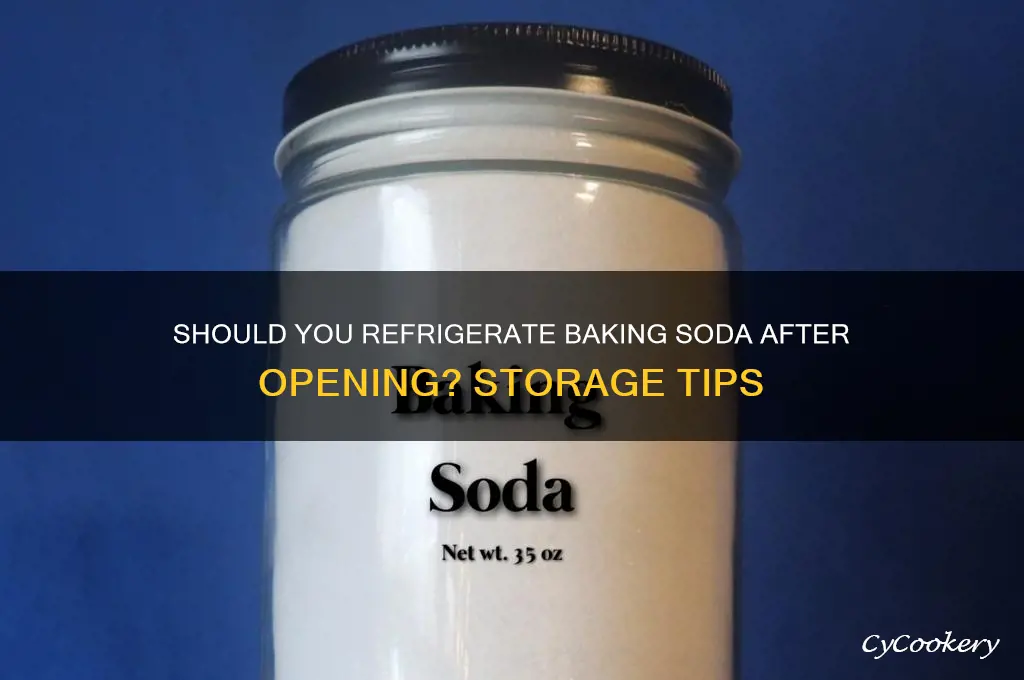
You know that little orange box of baking soda shoved in the back of your pantry? The one you bought for a recipe, used a teaspoon of, and then forgot about for six months. I’m right there with you. The big question that always pops up: do you actually have to refrigerate this stuff after opening? Let’s settle this once and for all, so you can stop worrying and get back to your day.
The short, cheerful answer is no. You absolutely do not have to refrigerate an open box of baking soda. In fact, sticking it in the fridge isn’t about preserving the baking soda itself. It’s about that box’s secret mission to keep your leftover pizza from smelling like last week’s onions.
The fridge is a side hustle, not a retirement home
Think of your baking soda like a hardworking, friendly sponge. When you leave it in the pantry, it sits there quietly, ready for baking. But when you move it to the fridge, you’re giving it a new job: deodorizer. The only reason your grandma told you to refrigerate it was because she wanted it to soak up smells from the leftover meatloaf, not because the baking soda would go bad.
Must Read
Baking soda is sodium bicarbonate, a mineral that basically lasts forever. It doesn’t mold, rot, or expire like milk. If you keep it in a cool, dry pantry, it will stay chemically active for years. The real danger is moisture, not temperature. So keep the lid dry, and you’re golden.
What about that box in the fridge right now?
I bet you have an open box sitting in your refrigerator door right this second. Don’t panic. That box is doing heroic work absorbing the smell of forgotten celery. But here’s the thing: it’s not the same box you can use for baking. Once that box has been hanging out with the pickles and raw chicken, it’s full of stinky molecules. Using it in your pancake batter would be like wearing a gym sock to a wedding—it just doesn’t work.
So, keep your “fridge box” separate from your “baking box.” Slap a piece of tape on the fridge box that says “smell sponge” so you don’t accidentally dump it into your banana bread. Trust me, I’ve done it. The bread tasted like last Tuesday’s tuna casserole.
But how do I know if it’s still good?
Easy. Do the fizz test. Scoop a little bit into a bowl, then pour a splash of vinegar over it. If it bubbles up like a science fair volcano, it’s still perfectly active. If it just sits there looking sad and dry, it’s time for a new box. This test works whether the box lived in the pantry, the fridge, or a little wizard’s hut—it’s all the same.
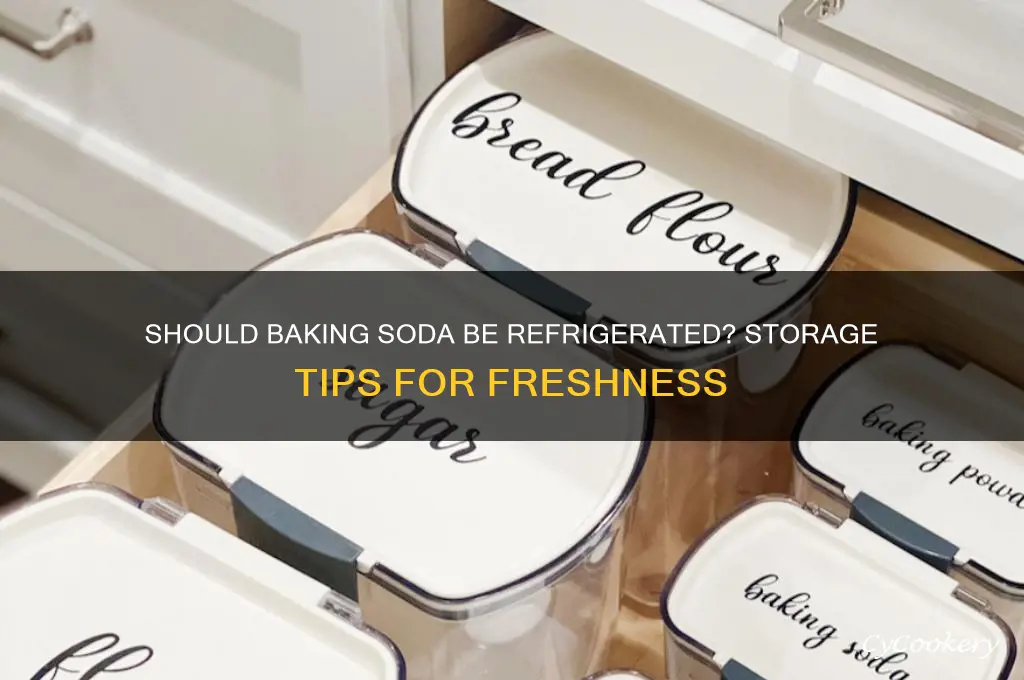 Should Baking Soda Be Refrigerated? Storage Tips For Freshness | CyCookery
And here’s a pro tip: you can refresh a sluggish box. Spread it on a baking sheet and bake it at 250°F for about an hour. The heat drives off the absorbed moisture and odors, giving it a second life. Just don’t tell your family you’re “baking the baking soda”—they’ll think you’ve lost the plot.
Real talk: When should you toss it?
If you’ve had that box for over two years, just toss it. It’s not dangerous, but it’s probably too weak to make your cookies rise. Also, if it smells like anything other than “nothing,” it’s done cooperating. You’re looking for a neutral, inoffensive white powder. If it smells like old fridge or dust, it’s a retiree.
So here’s the warm, cozy takeaway: you don’t have to refrigerate baking soda after opening. You can if you want a free air freshener, but don’t feel guilty leaving it in the pantry. It’s a resilient little box of magic. Give it a dry home, a fizz test now and then, and it’ll never let you down.
Now go close that fridge door, grab that old box, and give it a wiggle. It’s probably working harder than you think. You’re both doing fine.
