Do Watermelons Need To Be Refrigerated

There's something magical about biting into a big, juicy slice of watermelon on a hot summer day. It is refreshing, sweet, and loaded with water that keeps you hydrated. But h...

There's something magical about biting into a big, juicy slice of watermelon on a hot summer day. It is refreshing, sweet, and loaded with water that keeps you hydrated. But have you ever paused mid-bite and wondered: does this glorious fruit actually need to go in the fridge? The answer might surprise you, and understanding it could save money, preserve flavor, and help you enjoy every last drop of summer. Whether you are a seasoned cook or someone who just loves snacking well, the storage of watermelons is a genuinely helpful topic that touches on convenience, taste, and smart food habits.
The short answer is: whole watermelons do not need to be refrigerated, but once you cut into them, the fridge becomes your best friend. A full, uncut melon thrives at room temperature, ideally between 50 to 70 degrees Fahrenheit. At this range, the fruit continues to ripen naturally, developing a deeper, more luscious sweetness. In fact, placing a whole watermelon in the refrigerator prematurely can actually slow down this ripening process and even cause subtle flavor loss. Think of it as giving your melon the space it needs to reach its full potential before you ever take the first bite.
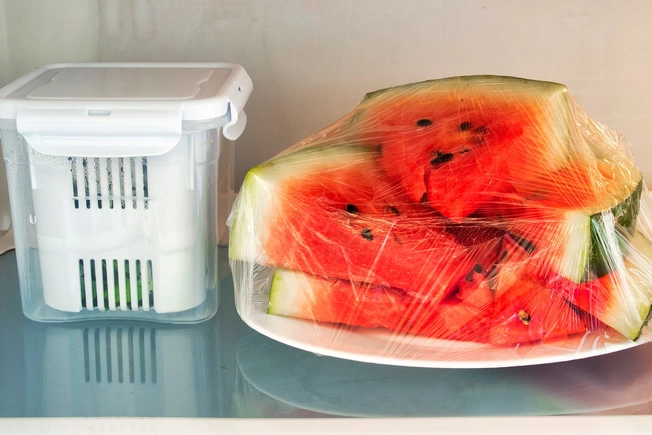
Once you slice a watermelon open, however, the rules flip completely. Cut watermelon should be wrapped tightly or placed in an airtight container and stored in the fridge within two hours of cutting. Exposed flesh is vulnerable to bacteria, dehydration, and oxidation, all of which degrade quality quickly. Under refrigeration, prepared watermelon chunks or slices typically stay fresh and safe for three to five days. A practical tip: before refrigerating cut pieces, press a sheet of plastic wrap directly against the exposed surface to create a barrier that locks in moisture and keeps flavors bright.
Must Read
Here is where things get creative, and where watermelon storage becomes truly fun. Imagine transforming leftover cut watermelon into watermelon ice cubes. Puree the fruit, pour it into ice cube trays, freeze, and you have instant flavor bombs for summer cocktails, sparkling water, or smoothies. Another exciting idea is to marinate small watermelon cubes in a splash of lime juice, a sprinkle of chili powder, and a pinch of salt — pop them in the fridge for an hour, and you have a refreshing snack that is equal parts sweet, spicy, and tangy. These clever tricks not only use your refrigerated watermelon quickly but also add a playful twist to ordinary meals.
There are also a few commonly held myths worth addressing. Many people believe that refrigerating a whole watermelon makes it "safer," but that is generally unnecessary as long as the rind is unbroken. The thick outer skin serves as a natural protective shell. Another misconception is that watermelon stored at room temperature will spoil faster — in reality, an intact watermelon can last one to two weeks at room temperature, depending on the variety and how ripe it already is when purchased. The key indicator is always the rind: if it remains firm with a consistent color and no soft spots, your melon is likely still fine.
 How Long Does Watermelon Last? Tips for Cut and Uncut Watermelon
For readers who want to try these ideas and keep their watermelons at their best, start with a simple checklist. Buy whole whenever possible so you can control when cutting begins. Store the full melon away from direct sunlight in a cool, dry spot such as a pantry or countertop. When you cut it, refrigerate portions within two hours and aim to eat them within five days. For creative storage, blend excess fruit into popsicle molds, blend frozen cubes into a watermelon gazpacho, or mix it into a chilled watermelon salad with feta and mint that tastes spectacular straight from the fridge. Each of these approaches minimizes waste while maximizing enjoyment.
In the end, the question of whether watermelons need refrigeration comes down to a simple distinction: whole is happy at room temperature, cut belongs in the cool. Respecting this principle helps you enjoy juicier, sweeter fruit with less waste and more confidence. So the next time you wheel home a giant watermelon from the market, do not rush it into the refrigerator — let it rest, let it ripen, and then, when the moment comes to slice it open, let the chill begin. Smart storage is not just about food safety; it is about making every summer bite as perfect as it deserves to be.