Do They Celebrate Dia De Los Muertos In Spain

Okay, let’s tackle a question that might have popped into your head while scrolling through all those gorgeous, sugar-skull-covered Instagram posts: Do they celebrate Día de l...
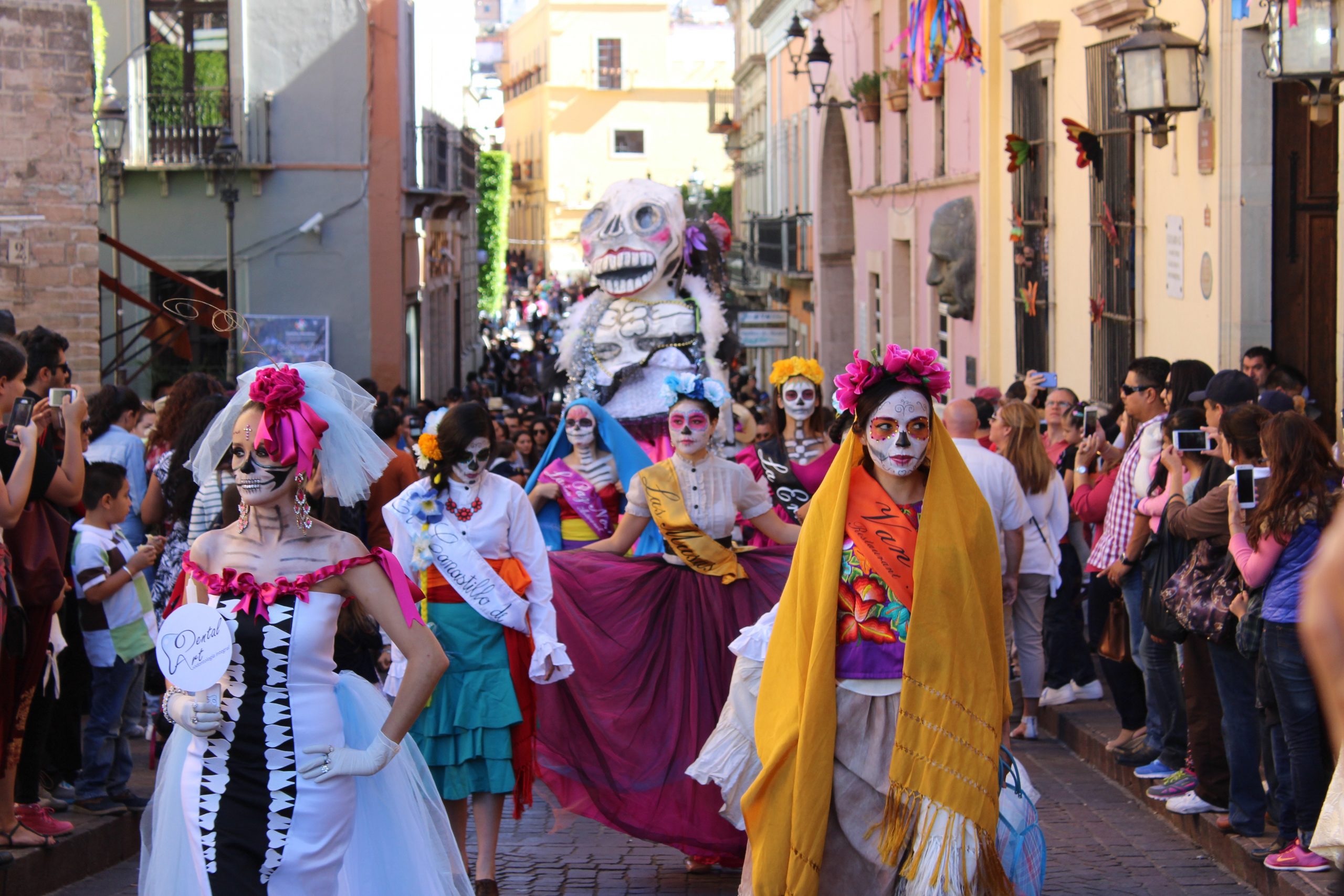
Okay, let’s tackle a question that might have popped into your head while scrolling through all those gorgeous, sugar-skull-covered Instagram posts: Do they celebrate Día de los Muertos in Spain? The short answer is no, not in the way you see in Mexico, but the longer answer is way more fun. And trust me, it will make you want to pack your bags and dive into a different, but equally fascinating, autumn tradition.
The Great Holiday Mix-Up
Here’s the thing: if you expect to find vibrant altars, marigold-laden streets, and Catrina face paint everywhere in Madrid, you’ll be disappointed. That iconic version of Día de los Muertos is a Mexican tradition, deeply rooted in Indigenous Aztec culture blended with Catholicism. Spain, on the other hand, has its own ancient and powerful way of honoring the dead, and it’s called Día de Todos los Santos, or All Saints’ Day on November 1st.
So, do they miss out on the colorful party? Not at all. They just have a different kind of party—one that involves huge family dinners, special pastries, and a surprisingly cozy, reflective vibe. Think less “candy skull parade” and more “candlelit cemetery picnic.”
Must Read
What Spain Actually Does
In Spain, November 1st is a national holiday, so everything shuts down, and families flock to the cemeteries. But this isn’t a somber, tear-filled trip; it’s a social event. People clean and decorate family tombs with chrysanthemums (the Spanish flower of the dead), chat with neighbors, and often bring a flask of wine or a thermos of coffee to share among the graves.
You’ll also see a fascinating tradition: La Castanyada in Catalonia, which is basically a pre-winter feast of roasted chestnuts, sweet potatoes, and little almond cakes called panellets. The whole country smells of roasted chestnuts and baked goods for a full week. It’s like autumn had a baby with a bakery, and that baby is a holiday.
And let’s not forget the theater. In many towns, there are special performances of Don Juan Tenorio, a classic Spanish play about love and death. It’s completely normal to see crowds heading to a play about a ghostly dinner date on the same day you visit your grandma’s grave. That’s Spain for you—drama and family, hand in hand.
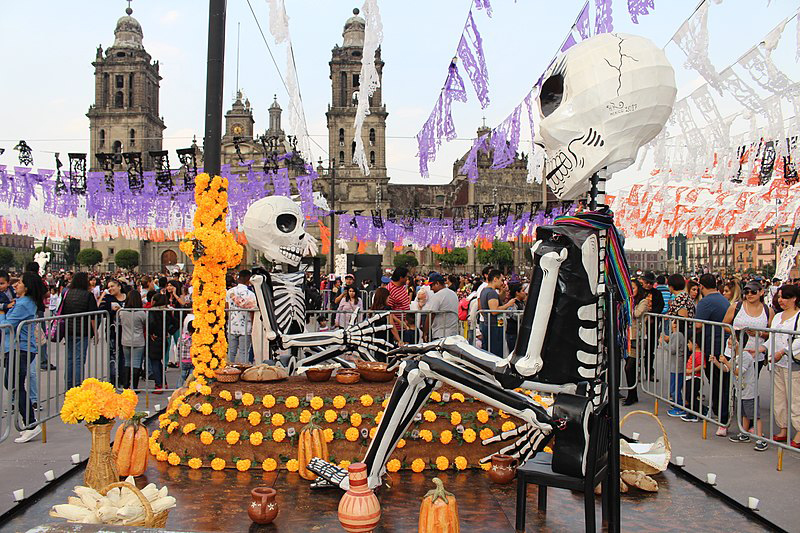 Spanish Halloween? A Guide to the Day of the Dead (Día de los Muertos)
Why This Makes Life More Fun
So why should you care about this cultural distinction? Because it’s a refreshing reminder that there’s no one “right” way to celebrate life and loss. Mexico throws a dazzling, laughter-filled reunion with death; Spain gathers for a quiet, chestnut-scented family picnic. Both are beautiful.
The fun part? You get to adopt the elements you love. Want to add a pinch of Spanish solemnity to your life? Light a candle and eat a pastry while thinking of a loved one. Want the Mexican energy? Make a bright altar. The point is that you don’t need to be from either country to steal their best ideas for living well.
How to Hack Your Own Tradition
Next November 1st, skip the generic Halloween candy and try baking huesos de santo (traditional marzipan sweets that look like tiny bones—yes, really). It’s a hilarious conversation starter. Or, host a “Cemetery Candle” night in your living room, where you talk about your ancestors while munching on chestnuts.
 Feiert man den Día de los Muertos in Spanien? (2026)
You can even blend cultures: put a sugar skull next to a Spanish crucifix and call it a global remembrance altar. No one is stopping you. The universe loves when we create our own rituals, because it means we’re paying attention to the people who came before us.
The Uplifting Ending You Deserve
Here’s the inspiring takeaway: whether you call it Día de los Muertos, All Saints’ Day, or just “that Thursday when you eat too many chestnuts,” the core truth is the same. The people we love don’t vanish; they become part of our stories, our recipes, and our celebrations. Spain and Mexico both know this, they just have different playlists.
So go ahead—be curious. Ask your Spanish friend what they eat on November 1st. Google images of panellets. Watch a video of a Mexican altar. Let the rich diversity of human tradition inspire you to make your own life a little more colorful, a little more flavorful, and a lot more connected to the people you’ve loved. ¡Salud y buen viaje!
