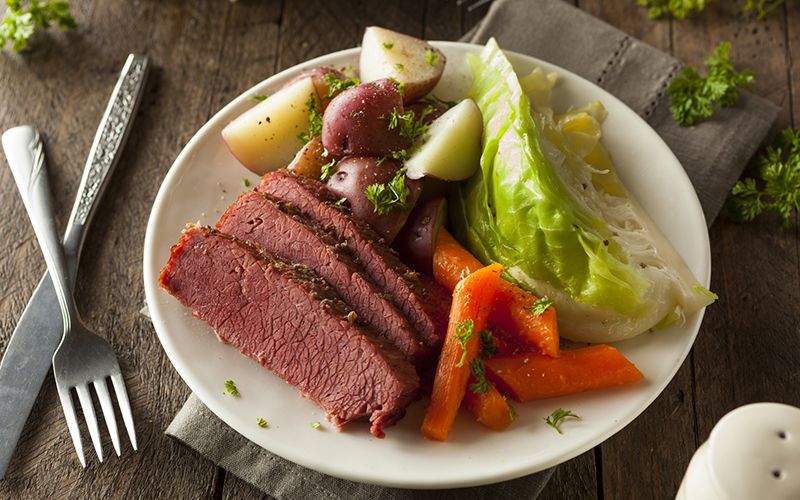
Do The Irish Eat Corned Beef And Cabbage

When most people think of Irish cuisine, corned beef and cabbage immediately comes to mind. It is one of those cultural food associations that has become almost inseparable fr...
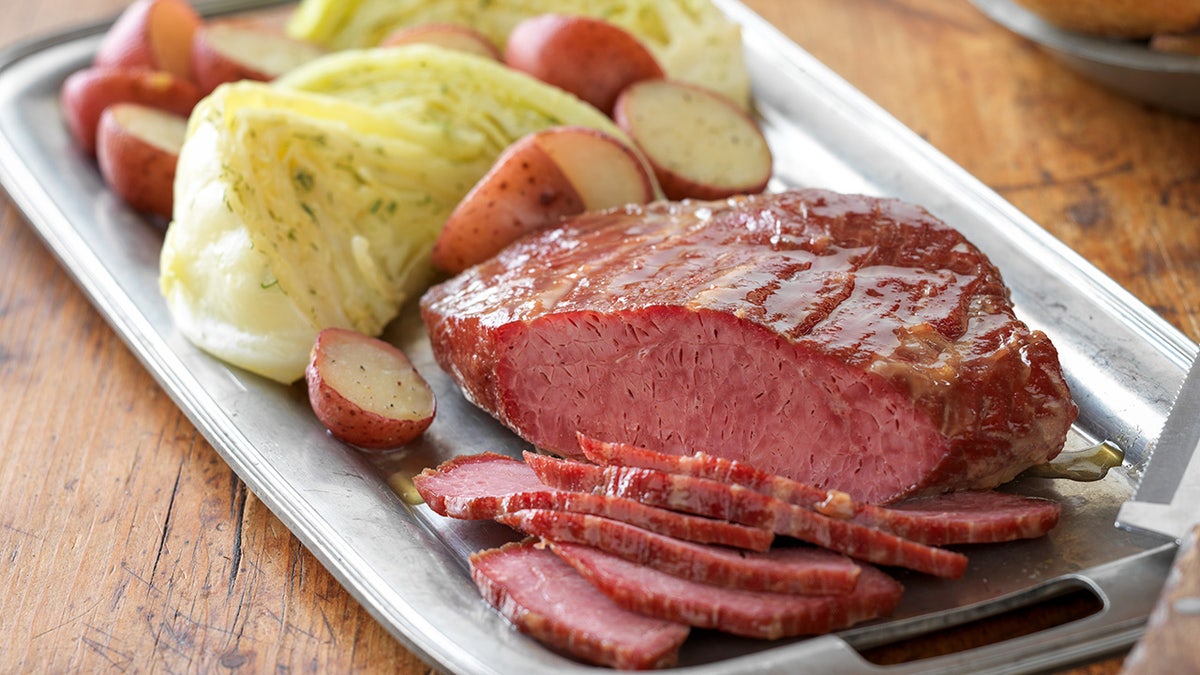
When most people think of Irish cuisine, corned beef and cabbage immediately comes to mind. It is one of those cultural food associations that has become almost inseparable from St. Patrick's Day celebrations across the United States. Every March, families and communities gather around tables piled high with brisket simmered in spices alongside soft, buttered cabbage. The dish is utterly iconic, deeply comforting, and surprisingly accessible to cook at home. Whether you grew up with it or have only seen it on restaurant menus, understanding this beloved meal is a small window into Irish-American culture and tradition that anyone can appreciate.
Now, here is the honest and slightly surprising answer to the big question: Do the Irish eat corned beef and cabbage? The truth is more nuanced than you might expect. In Ireland, the traditional cure actually called bacon or bacon and cabbage rather than corned beef. The dish that Americans associate with Ireland instead emerged from Irish immigrants living in New York City during the nineteenth century. They replaced the back bacon they missed with the corned beef readily available from Jewish delis in the Lower East Side. Over generations, this adaptation became the dish we now celebrate on St. Patrick's Day. So the connection is real, but it is an Irish-American creation rather than an authentic relic of the Irish mainland.
That said, corned beef and cabbage is far more than just a holiday novelty. It matters because it represents how immigrant communities adapt, survive, and create new traditions from the ingredients around them. For Irish families in America, the meal became a link to their heritage even as they transformed it to fit their new environment. Today, the dish serves as a unifying tradition that brings people together regardless of background. Neighbors invite each other over, office groups host potlucks, and restaurants coat their windows in green during the holiday. Its simplicity makes it perfect for large gatherings because it feeds dozens without requiring complicated technique.
Must Read
Consider how widely the meal is enjoyed in real life during the spring season. In cities like Boston, whole neighborhoods fill with the smell of slow-simmered brisket on March weekends. A grandmother might serve it alongside yeasty fresh bread and a pint of stout for family lunch. A local Irish pub might plate it with mustard and pickled vegetables as a special. Even in homes far removed from any Irish ancestry, groups of college friends organize corned beef dinners simply because it signals the arrival of spring. Barbecue enthusiasts have begun smoking the brisket for hours before lightly braising it with cabbage wedges, producing a smoky, modern twist on the classic.
If you are interested in giving corned beef and cabbage a try, here are some practical suggestions to get started. First, choose a good cut of corned brisket from your local grocer; most packages come with a spice packet already included. Second, cook it low and slow on the stovetop or in a slow cooker for two to three hours until the meat is fork-tender. Third, add cabbage wedges, potatoes, and carrots during the last thirty minutes of cooking so they absorb the savory broth. Serve everything on one big platter with a dollop of grainy mustard for dipping. You can also reheat leftoversquickly for sandwiches the next day using soft rye bread.
 Health weekend roundup includes good-for-you foods, lives saved and a
The dish also offers nutritional benefits that make it worth including in your regular home cooking. Corned beef provides a hearty dose of protein, while cabbage brings fiber, vitamin C, and a range of antioxidants. Whole vegetables like carrots and potatoes round out the meal with potassium and complex carbohydrates. Because the cooking method uses one pot, there is minimal cleanup afterward, which is another reason families love it on busy evenings. For those mindful of dietary restrictions, you can reduce the sodium by soaking the meat overnight or choose a low-sodium corned beef option before cooking.
In conclusion, corned beef and cabbage stands as a warm, flavorful, and historically rich celebration of Irish-American identity. Even if it is not the most traditional meal found in Dublin, its journey from immigrant kitchens to nationwide holiday tables shows how food evolves with communities. It continues to be enjoyed by families, friends, and neighbors who value sharing a good meal together. So the next time March rolls around, grab a brisket and some cabbage, gather your favorite people, and celebrate this delicious tradition yourself.