Do Scallops And Shrimp Cook At The Same Rate

When it comes to cooking seafood, one of the most common questions home cooks and even professional chefs ask is: Do scallops and shrimp cook at the same rate? The short answe...

When it comes to cooking seafood, one of the most common questions home cooks and even professional chefs ask is: Do scallops and shrimp cook at the same rate? The short answer is no. These two popular shellfish have very different sizes, textures, densities, and water content, all of which significantly affect how quickly they reach the ideal doneness. Understanding these differences can help you avoid the frustration of overcooked, rubbery shrimp sitting alongside undercooked or unevenly seared scallops on the same plate.
Shrimp, for example, tend to be smaller and thinner, which means they heat through much faster than scallops. A typical medium shrimp will cook in roughly two to three minutes per side over medium-high heat, curling into a tight C-shape and turning from translucent gray to an opaque pink and white when done. Scallops, on the other hand, are structured differently. Their cylindrical shape and firmer flesh mean they require a little more time — usually three to five minutes per side — to develop that coveted golden-brown sear on the outside while staying tender and slightly translucent at the center.
This difference matters for more than just kitchen timing. In real-life cooking scenarios — such as preparing a seafood boil, a surf-and-turf dinner, or a Mediterranean pasta — tossing both ingredients into the pan at the same time often leads to uneven results. The shrimp can become tough and overcooked, while the scallops may be pale, soft, and lacking that essential caramelized crust. For families who cook together, watching both textures go wrong can take away from the joy of sharing a beautiful meal. For enthusiasts who host dinner parties or community potlucks, getting seafood right elevates the entire dining experience.
Must Read
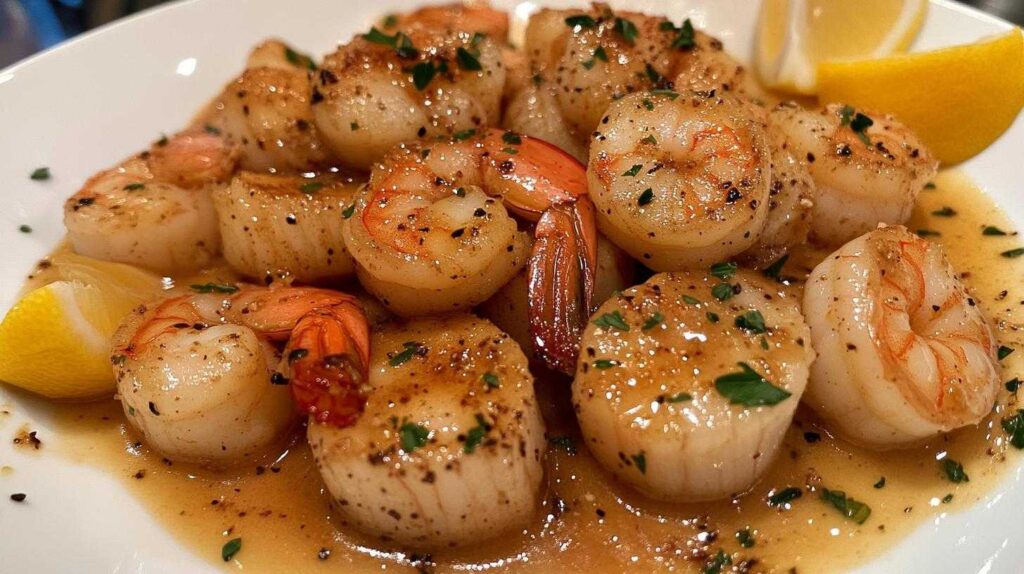
A practical approach is to start cooking the scallops first. Sear them in a hot, oiled pan for about two to three minutes per side. Then, when they are almost done, add the shrimp to the same pan. Since shrimp cook quickly, they will finish in roughly the time it takes for the scallops to complete cooking. This staggered method ensures both ingredients reach their cooking points at the same time, just not from the same start time. You can also marinate shrimp ahead of time with olive oil, garlic, and lemon, since they absorb flavors quickly, while scallops benefit more from a dry surface pat and a generous pinch of salt before searing for a better crust.
 Shrimp And Scallops Recipe: 25 Minutes to Seafood Bliss - NonnaFood
Another helpful tip is to rely on visual and tactile cues rather than strict timers. Shrimp are done the moment they curl and turn opaque — if they form a tight O shape, they are overcooked. Scallops should spring back gently when pressed with your finger and have a deep golden sear on one side. Checking doneness this way gives you more flexibility across different stove types, pan materials, and heat levels. If you are multitasking and juggling multiple dishes, simply remember the golden rule: thicker and denser takes longer on, thinner and smaller joins the party later.
Ultimately, knowing that scallops and shrimp do not cook at the same rate gives you an important edge in the kitchen. It empowers you to plan your cooking sequence, delivers better texture and flavor in every bite, and makes the whole process feel more intentional and less stressful. Whether you are cooking a quick weeknight stir-fry or a special celebration meal, applying this simple principle will consistently result in seafood that looks, smells, and tastes absolutely wonderful. So the next time you reach for both a bag of shrimp and a container of scallops, remember: cook them together with confidence, just not at the same time.