Do Raspberries Have To Be Refrigerated

Everyone loves raspberries. Whether you toss them into a bowl of cereal, blend them into a smoothie, or sneak a handful straight from the packaging, these ruby-red gems are on...

Everyone loves raspberries. Whether you toss them into a bowl of cereal, blend them into a smoothie, or sneak a handful straight from the packaging, these ruby-red gems are one of the most popular berries out there. They're sweet, tangy, and packed with vitamins, antioxidants, and fiber that make them a staple in kitchens everywhere. But once you bring them home from the store or pick them from a garden, a simple question pops up: do raspberries have to be refrigerated? The answer matters more than you might think, because how you store them can completely change their freshness, taste, and nutritional value.
So why does proper storage even matter? It matters because raspberries are one of the most delicate fruits you can buy. Their thin, hollow structure makes them super vulnerable to moisture, mold, and bruising. If you leave them out too long at room temperature, they can go bad faster than almost any other fruit in your fridge. For individuals, that means wasted money and missed snack opportunities. For families, having berries go bad before they can be enjoyed means losing out on a healthy, kid-friendly food. And for the community, reducing food waste through better storage habits contributes to a more sustainable way of living. Knowing how to handle raspberries correctly is a small but meaningful skill that pays off every time you buy a pint.
The short answer to the big question is: yes, raspberries should be refrigerated if you're not planning to eat them right away. Fresh raspberries kept at room temperature will typically start to turn soft and moldy within just one to two days. In the refrigerator, however, they can last up to three to five days — sometimes even a full week if you stored them properly before refrigerating them. The cold temperature slows down the natural decay process and keeps mold spores in check. Think of it like giving your berries a protective shield against time. If you've ever pulled a container from the fridge only to find white fuzz growing on the bottom, chances are they spent too long out on the counter or sat in a container that wasn't well ventilated.
Must Read
There's also a prep step a lot of people skip: washing raspberries before refrigeration can actually hurt them. When berries are wet and then trapped in a closed container, that extra moisture becomes the perfect breeding ground for mold. The best approach is to line a container with a dry paper towel, place the berries inside unwashed, and keep the lid slightly ajar or use a ventilated container. When you're ready to enjoy them, give them a gentle rinse under cool water and eat them right away. This method ensures maximum crispness and flavor. Picture a mom on a Sunday morning, grabbing her container from the fridge, giving the berries a quick rinse, and tossing them into pancakes for the family — those berries taste just as vibrant as the day they were bought, all thanks to smart storage.
What if you've bought more raspberries than you can eat in a few days? That's when freezing comes into play. Place the berries in a single layer on a baking sheet, pop them in the freezer for a couple of hours until they're fully frozen, and then transfer them into a freezer-safe bag or container. Frozen raspberries can last up to a year and are perfect for smoothies, baking, or making homemade jams. People who like to batch-cook or meal prep especially love this trick. Imagine pulling out frozen raspberries mid-January and blending them into a warm drink — it's a little taste of summer no matter the season. Freezing is a powerful tool for extending the life of raspberries without sacrificing any of their nutritional punch.
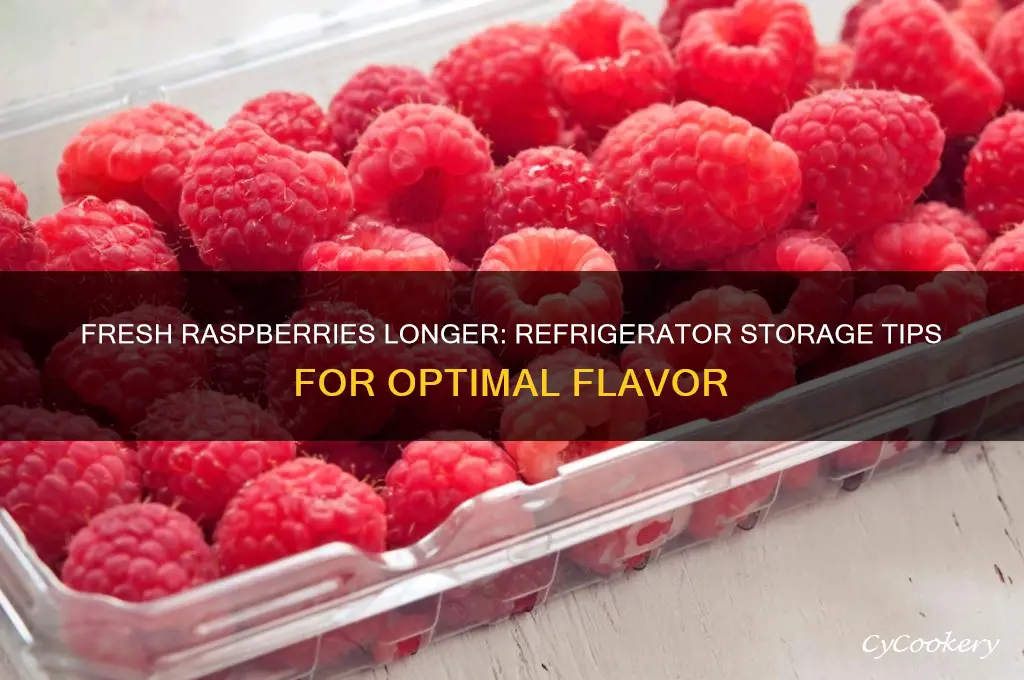 Fresh Raspberries Longer: Refrigerator Storage Tips For Optimal Flavor
There are a few other practical tips worth keeping in mind. Always buy raspberries that look firm and plump with no signs of mushiness. Avoid containers with leaking juice, as that's a sign the berries are already breaking down. If you spot even one moldy berry, remove it immediately — mold spreads quickly between fruits that are touching. Store the container in the middle shelf of the refrigerator rather than the door, where temperatures fluctuate more. And if you've just returned from the grocery store on a hot day, get those berries into the fridge as soon as possible rather than letting them sit in a warm car or on a sunny countertop. These tiny habits add up and make a noticeable difference.
In the end, raspberries don't have to be refrigerated forever, but they benefit enormously from a short rest in the cold when you can't eat them immediately. Proper storage keeps them tasting sweet, prevents waste, and makes the most of every berry you invest in. Whether you're a casual snacker or someone who cooks for a whole household, a few simple habits — dry storage, prompt refrigeration, and strategic freezing — can keep your raspberries fresh and delightful for much longer. The next time you open that container, you'll be glad you took that extra minute to store them right. Take care of your berries, and they'll reward you with every juicy bite.


