Do I Refrigerate Buttercream Frosting

Buttercream frosting is a staple for home bakers and professional pastry chefs alike, prized for its silky texture and rich, sweet flavor that can turn a simple cake into a ce...
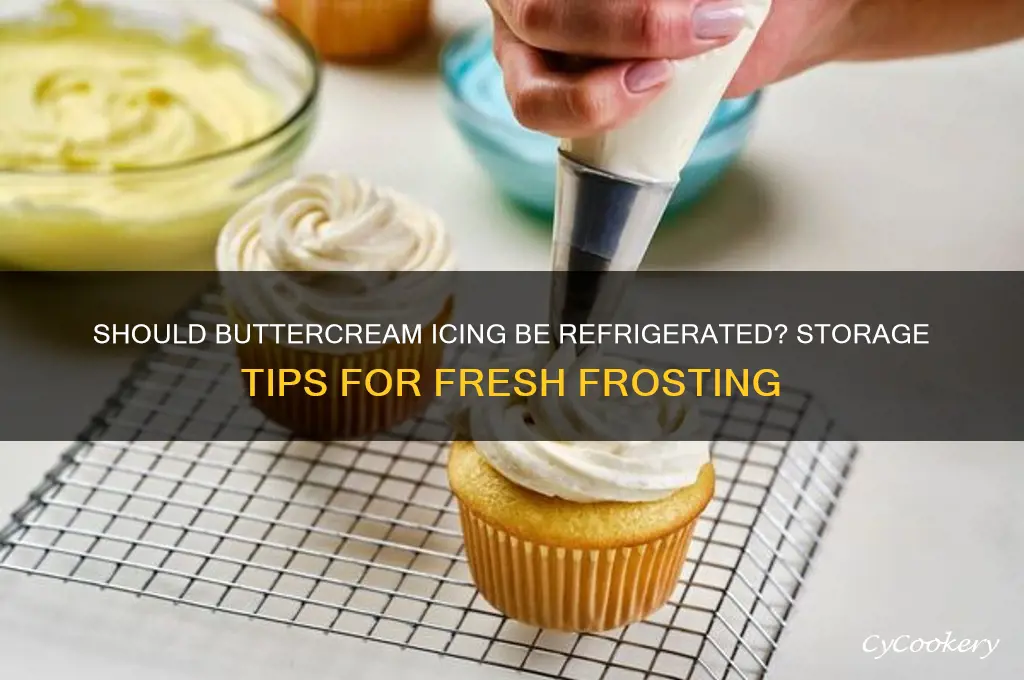
Buttercream frosting is a staple for home bakers and professional pastry chefs alike, prized for its silky texture and rich, sweet flavor that can turn a simple cake into a celebration centerpiece. Its key purpose is to provide a smooth, decorative coating that not only enhances the visual appeal of cakes, cupcakes, and cookies but also adds an extra layer of moisture and richness. Whether you are frosting a birthday cake for a child’s party or preparing a elegant dessert for a dinner gathering, buttercream’s versatility and comforting taste make it a valued addition to everyday baking.
Understanding what buttercream is made of helps explain why storage matters. Classic American buttercream combines softened butter, powdered sugar, a splash of milk or cream, and vanilla extract. The butter provides structure, while the sugar stabilizes the mixture, allowing it to hold its shape when piped. Because butter is a dairy product with a relatively low melting point, buttercream can soften or separate if exposed to warm environments, which is why the question of refrigeration frequently arises for bakers who want to preserve both texture and safety.
So, do you refrigerate buttercream frosting? The short answer is usually not immediately after you have piped it onto a cake. In most cases, buttercream will hold its shape at room temperature for several hours, especially in a cool kitchen. However, if you plan to keep the frosted cake for more than a day, or if the ambient temperature rises above 75°F (24°C), refrigeration becomes advisable to prevent the frosting from becoming too soft or melting off the edges. Ignoring this can lead to a loss of definition in piped details, making the finish look less crisp.
Must Read
When refrigeration is necessary, it is important to store the cake correctly to avoid condensation, which can ruin the frosting’s surface. Place the frosted cake in a large, airtight container or cover it loosely with a cake dome. Allow the cake to come to room temperature for about 30 minutes before serving; this lets the buttercream relax, preventing a dry, crumbly texture. If you have left-over buttercream that you want to keep for future use, transferring it to a sealed jar and refrigerating it for up to a week, or freezing it for up to three months, will preserve its flavor and consistency.
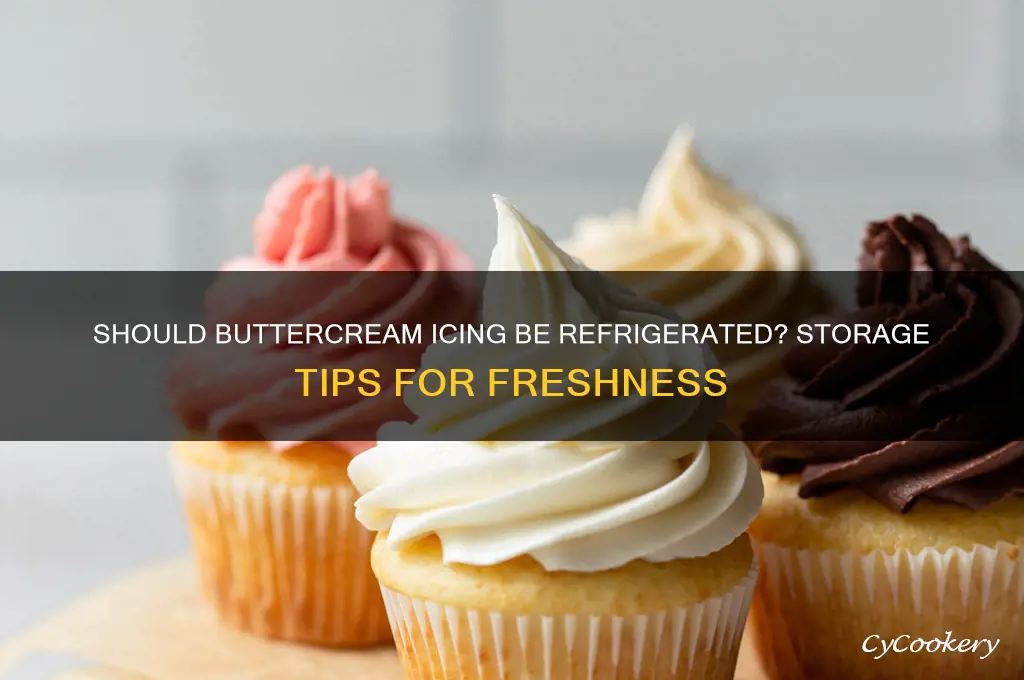 Should Buttercream Icing Be Refrigerated? Storage Tips For Freshness
To keep buttercream at its best, follow a few simple storage tips. First, always label containers with the date, so you know when to use them. Second, if you notice any separation after refrigeration, re-whip the frosting for a minute or two—this restores its smoothness. Third, avoid placing buttercream near strong-scented foods in the fridge, as butter readily absorbs odors. By integrating these habits into your routine, you ensure that every batch remains fresh, safe, and ready for decorating whenever inspiration strikes.
Finally, experimenting with buttercream’s storage can be a fun learning experience. Try chilling a small batch for a short period, then compare its texture with a freshly made version. Notice how the temperature and humidity affect the stiffness, and adjust your technique accordingly—perhaps adding a touch more sugar for a firmer result when serving outdoors. By treating storage as part of the creative process, you gain confidence, improve consistency, and ultimately enjoy buttercream’s delightful benefits in everyday life.


