Do I Need To Drain Kidney Beans For Chili

There is something deeply satisfying about a bowl of hearty chili. The way the rich, spiced broth clings to tender beans and beef, slowly warming you from the inside out, make...

There is something deeply satisfying about a bowl of hearty chili. The way the rich, spiced broth clings to tender beans and beef, slowly warming you from the inside out, makes it a staple for game days, family dinners, and chilly evenings. But for home cooks, a quiet debate often bubbles beneath the surface: do you really need to drain and rinse those kidney beans from the can? The answer matters more than you might think, not just for texture, but for the overall success of your dish. Understanding this simple step can transform your chili from good to exceptional with almost no extra effort.
The primary reason to drain and rinse canned kidney beans is control over your chili’s texture and consistency. The liquid inside the can—often a starchy, salty slurry called aquafaba—is a byproduct of the canning process. While this liquid is a boon for vegan meringues or thickening sauces, it is counterproductive for chili. If you pour it directly into your pot, that starch will release during simmering, making your chili muddy and soupy rather than thick and velvety. A well-drained bean gives you a firmer, more distinct bite that holds its shape against the aggression of a long simmer. For example, if you are making a Texas-style chili where the beans are a co-star, not a filler, you want each bean to be proud and intact, not falling apart in a starchy paste.
Beyond texture, there is a significant health and flavor benefit to rinsing. Canned beans are notoriously high in sodium, as the canning liquid acts as a preservative and brine. A single can of kidney beans can contain up to 400–500 milligrams of sodium—about one-third of your daily recommended intake. By simply draining and rinsing them under cold water for thirty seconds, you can reduce the sodium content by up to 40%. This is crucial because chili often relies on other salty components like broth, canned tomatoes, and seasoning blends. If you skip this step, you risk an overly salty, one-note flavor profile that clashes with the cumin, chili powder, and garlic you’ve carefully layered. Rinsing gives you back control over your seasoning, allowing you to add salt intentionally rather than inadvertently.
Must Read
A less discussed but equally important factor is digestive comfort. Kidney beans contain complex sugars called oligosaccharides, which can cause gas and bloating for many people. The canning liquid harbors a concentrated amount of these compounds, along with the residual debris from the processing. A quick rinse removes much of this liquid, making the beans gentler on your stomach. While it doesn’t eliminate the issue entirely (that requires soaking and cooking dry beans), it is a simple act of kindness to your digestive system. For a family chili night, where you want everyone to feel good after dinner, this small step can prevent that uncomfortable, bloated feeling that sometimes follows a bean-heavy meal.
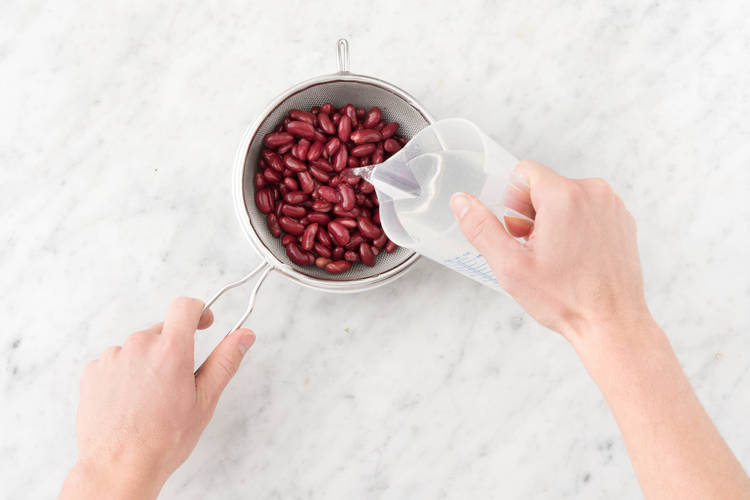
Consider a real-world scenario: you are preparing a weeknight chili in a hurry. You open a can of kidney beans and, without thinking, dump everything into the pot along with the tomato sauce and ground beef. Thirty minutes later, your chili looks like a thin, reddish gravy with bean ghosts floating in it. The texture is unappealing, and the flavor is excessively salty. Now imagine the same scenario, but you first dump the beans into a fine-mesh strainer, give them a quick rinse, shake off the excess water, and then add them. Your chili will be thicker, the beans will stay plump and firm, and you will have the freedom to season it precisely. The difference is night and day, and it costs only ten seconds of effort.
 Spicy Sausage Chilli. Recipe | HelloFresh
Are there exceptions? Rarely. Some traditional chili recipes call for adding the canning liquid to deliberately thicken a very thin base, but this is a niche technique often reserved for “chili beans” where the sauce itself is the star. For the vast majority of chili recipes—whether they are Kansas City, Cincinnati, or vegetarian—you should always drain and rinse. A simple rule of thumb is: if you want a cleaner, purer bean flavor and a firmer texture, rinse. If you want a starch-thickened, soupier result, you may keep the liquid, but be prepared to adjust your salt and spice levels drastically downward.
For readers eager to explore this on their own, here are three simple tips. First, always use a fine-mesh strainer; a colander with large holes can let smaller beans slip away. Second, rinse with cold water for about 30 seconds, gently swishing the beans with your hand to dislodge residual starch. Third, taste one bean before adding it to the pot; if it tastes overly salty or metallic, you know the rinse was justified. Once drained, you can even pat the beans dry with a paper towel if you plan to sear them separately for added texture—a trick for elevating your chili’s complexity. Remember, the goal is to make the beans a willing partner in your chili, not a stubborn ingredient that fights against your seasoning and texture goals.
In summary, the question “Do I need to drain kidney beans for chili?” can be answered with a confident yes for almost every home cook. You will gain better texture, lower sodium, easier digestion, and improved flavor control. The next time you reach for a can, take those ten seconds to drain and rinse. Your chili—and your dinner guests—will thank you for the thoughtful precision. A great bowl of chili is built on small, deliberate choices, and this is one of the easiest and most impactful you can make.
