Do I Have To Refrigerate Buttercream Frosting

Welcome, bakers and dessert enthusiasts! If you’ve ever found yourself staring at a gorgeous, fluffy batch of buttercream frosting and wondering, “Do I really have to put you...
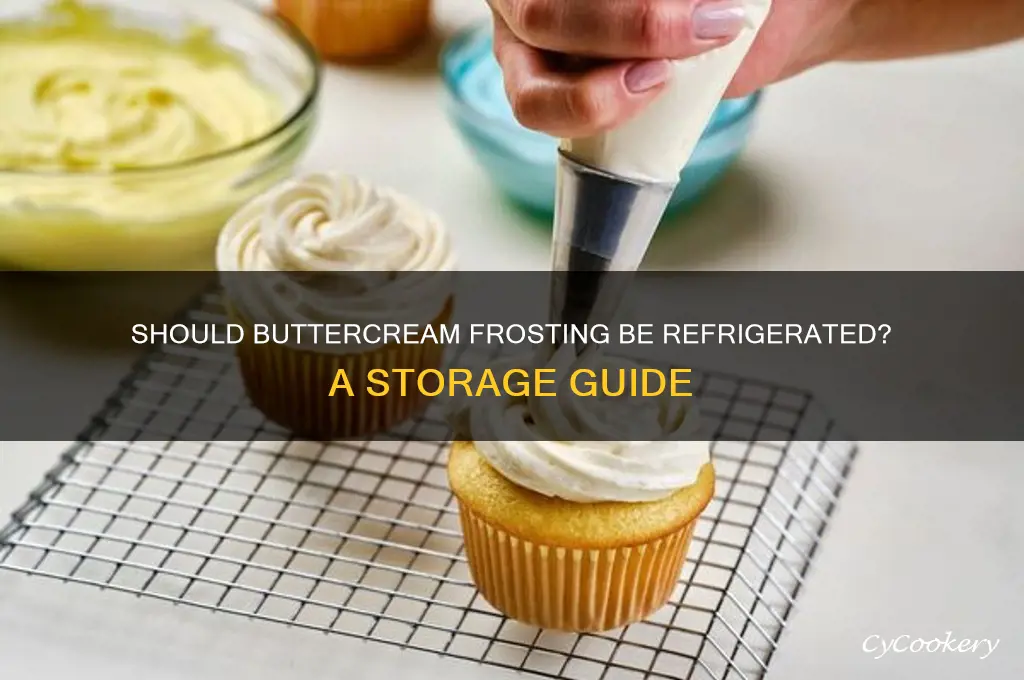
Welcome, bakers and dessert enthusiasts! If you’ve ever found yourself staring at a gorgeous, fluffy batch of buttercream frosting and wondering, “Do I really have to put you in the fridge?”, you’re not alone. This question is a classic kitchen conundrum, and the answer is actually empowering. Understanding how to store buttercream means you can bake ahead, save time, and avoid that dreaded moment of serving a soggy or crumbly cake. The purpose of knowing whether to refrigerate or not is simple: it keeps your frosting safe, stable, and luscious—so your masterpiece tastes as good as it looks. The advantage? You gain flexibility. You can prep your buttercream days before a party, pipe it perfectly, and decide on the spot whether it needs the chill treatment. Let’s dive into the creamy, buttery truth.
First, let’s understand what buttercream actually is. Most classic American buttercream is a simple emulsion of butter and powdered sugar, often with a splash of milk or vanilla. The butter is the star, and its behavior at different temperatures is the key. At room temperature (around 68-72°F or 20-22°C), butter is soft but not greasy, which gives your frosting that cloud-like, pipeable texture. If you plan to serve your cake within two days, and your kitchen isn’t a sauna (over 80°F), you generally do not have to refrigerate it. Buttercream is surprisingly resilient—it’s high in sugar and fat, which act as natural preservatives. I’ve left a buttercream-frosted cupcake on the counter overnight, and it was still perfectly delicious the next morning. Just keep it away from direct sunlight and heat sources.
But here’s the golden rule from food safety experts: if your buttercream contains any perishable ingredients, refrigerate it immediately. That means if you’ve added cream cheese, milk, fresh fruit puree, eggs (like in Swiss or Italian meringue buttercream), or even a splash of buttermilk, it must go in the fridge. These ingredients can spoil at room temperature. For a simple American buttercream (butter, sugar, vanilla, a tiny bit of milk), you can keep it at room temp for up to 2-3 days if covered tightly. But if you’re in a hot, humid climate or serving it to a crowd (especially kids or elderly folks), err on the side of safety and refrigerate. Your frosting will be safe, but you’ll need to let it come back to room temp (about 30-60 minutes) before serving to regain its creamy texture.
Must Read
Now, creative ideas for using leftover buttercream without worrying about fridge space! If you have extra frosting, don’t let it go to waste. Freeze it! Buttercream freezes beautifully for up to three months. Scoop it into a zip-top bag, remove the air, and label it with the date. When you’re ready to use it, thaw it in the fridge overnight, then let it come to room temperature, and whip it with a mixer for a minute to restore its fluffy texture. Another fun trick: pipe buttercream into small rosettes or stars on a parchment-lined tray, freeze them solid, then pop them into a freezer bag. These frozen buttercream decorations are perfect for quickly topping cupcakes, hot cocoa, or even as a surprise filling inside cookies. It’s like having instant frosting magic on demand.
What about practical tips for piping and serving? If you decide to refrigerate a whole frosted cake, wait until the frosting has crusted (just a few minutes at room temp) before wrapping it loosely in plastic wrap. This prevents the wrap from smudging your design. When you take it out of the fridge, resist the urge to serve it cold. Cold buttercream can feel grainy and hard. Instead, let the cake sit on the counter for about two hours (for a full cake) to soften evenly. For a quicker fix, slice individual pieces and let them sit for 20 minutes. Also, remember that buttercream absorbs odors from the fridge, so wrap it tightly or store it in an airtight container. A good trick is to place the cake inside a large, lidded plastic storage container—this keeps it safe from onion or leftover pizza smells.
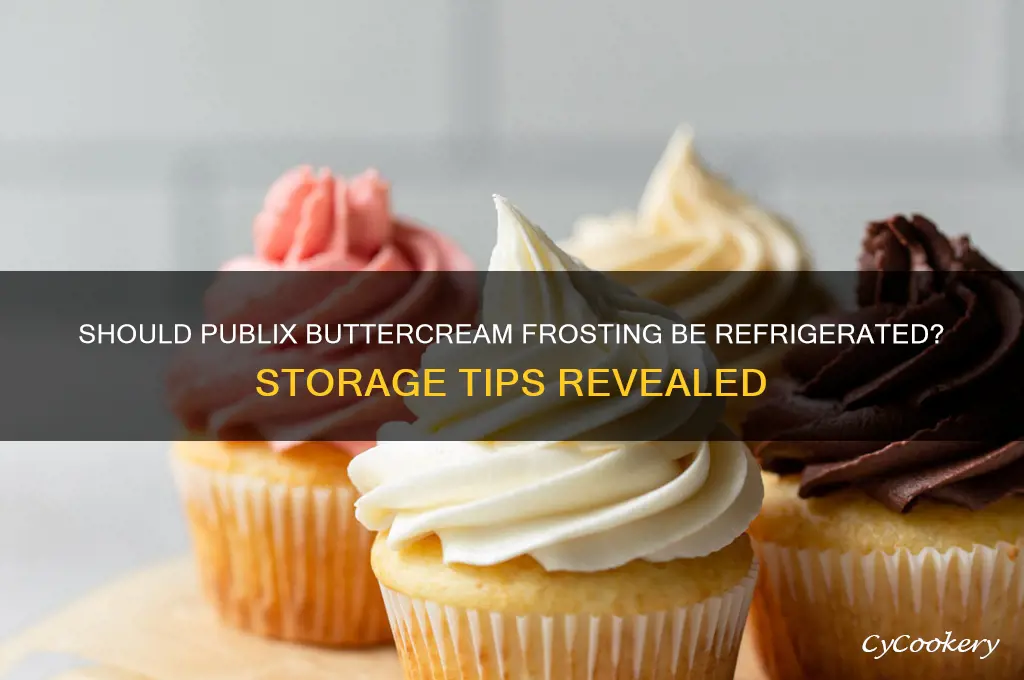 Should Publix Buttercream Frosting Be Refrigerated? Storage Tips
Here’s a fun experiment to try at home. Make a batch of simple American buttercream. Divide it in two. Leave one bowl on the counter for six hours, and refrigerate the other. Then, try piping a swirl from each. The room-temp one will be silky and smooth. The cold one will be stiff and may crack. Now, let the cold one sit out for 30 minutes, re-whip it gently, and watch it transform back into a dreamy frosting. This shows you the magic of butter—it’s not ruined by cold; it’s just sleeping. The refrigerator is a tool, not a punishment. Use it when you need to buy time for a party, or when your recipe demands it. But for everyday use or quick treats, your countertop is perfectly fine.
To sum it all up: you don’t have to refrigerate buttercream frosting—unless it contains perishable ingredients, or unless you live in a tropical climate or plan to store it for more than two days. The beauty of buttercream is its forgiving nature. You can make it ahead, refrigerate it, freeze it, and re-whip it with ease. The key is knowledge and planning. So go ahead, bake that cake on Thursday for a Saturday party. Make extra frosting. Leave it at room temp if it’s simple, or pop it in the fridge if you added cream cheese. Just remember: let it warm up before you serve it, and never serve cold buttercream to guests who dream of fluffy clouds. You’ve got this—now go create something delicious!

