Do I Bake Chicken Covered Or Uncovered

Baking chicken is one of the most versatile and rewarding cooking methods in any home kitchen. Whether you are preparing a simple weeknight dinner or hosting a weekend gatheri...
Baking chicken is one of the most versatile and rewarding cooking methods in any home kitchen. Whether you are preparing a simple weeknight dinner or hosting a weekend gathering, the oven offers a reliable way to achieve tender, juicy results every time. However, one question continues to spark debate among home cooks: should the chicken be covered or left uncovered while baking? The answer depends on what outcome you want, and understanding this distinction can transform the way you approach the dish.
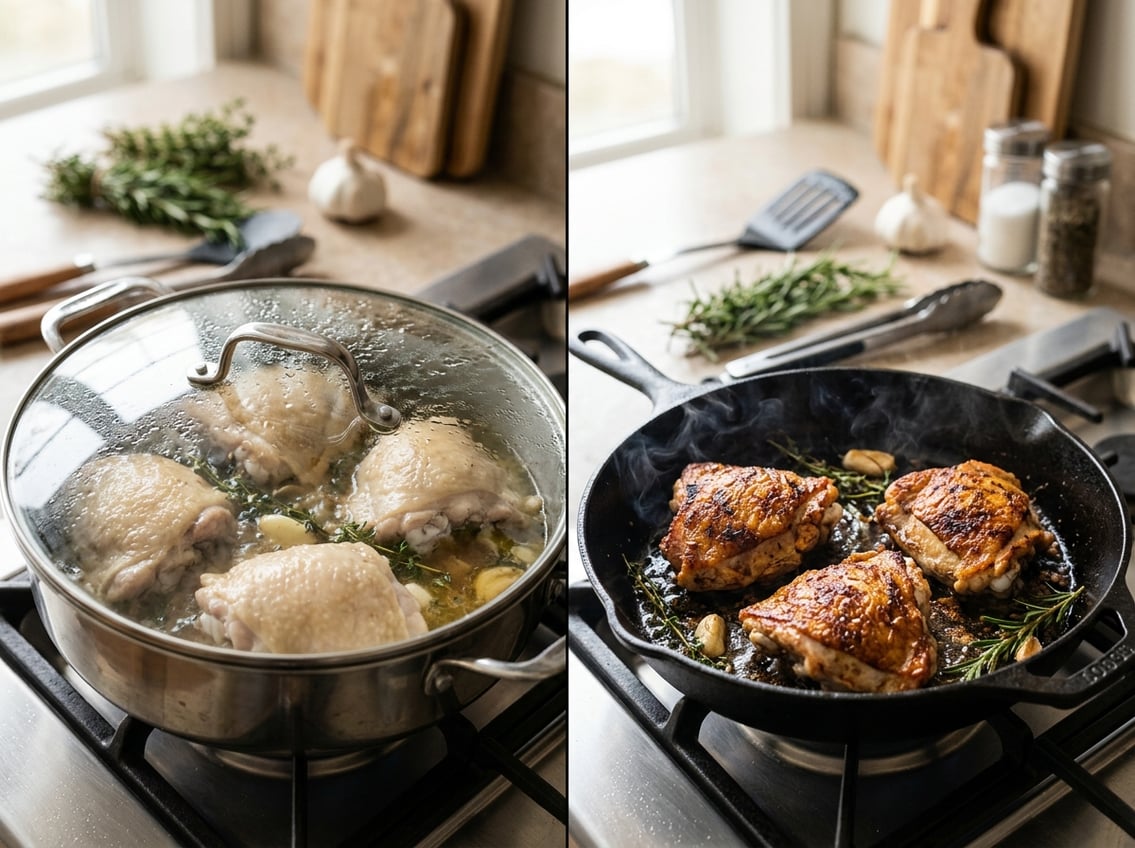
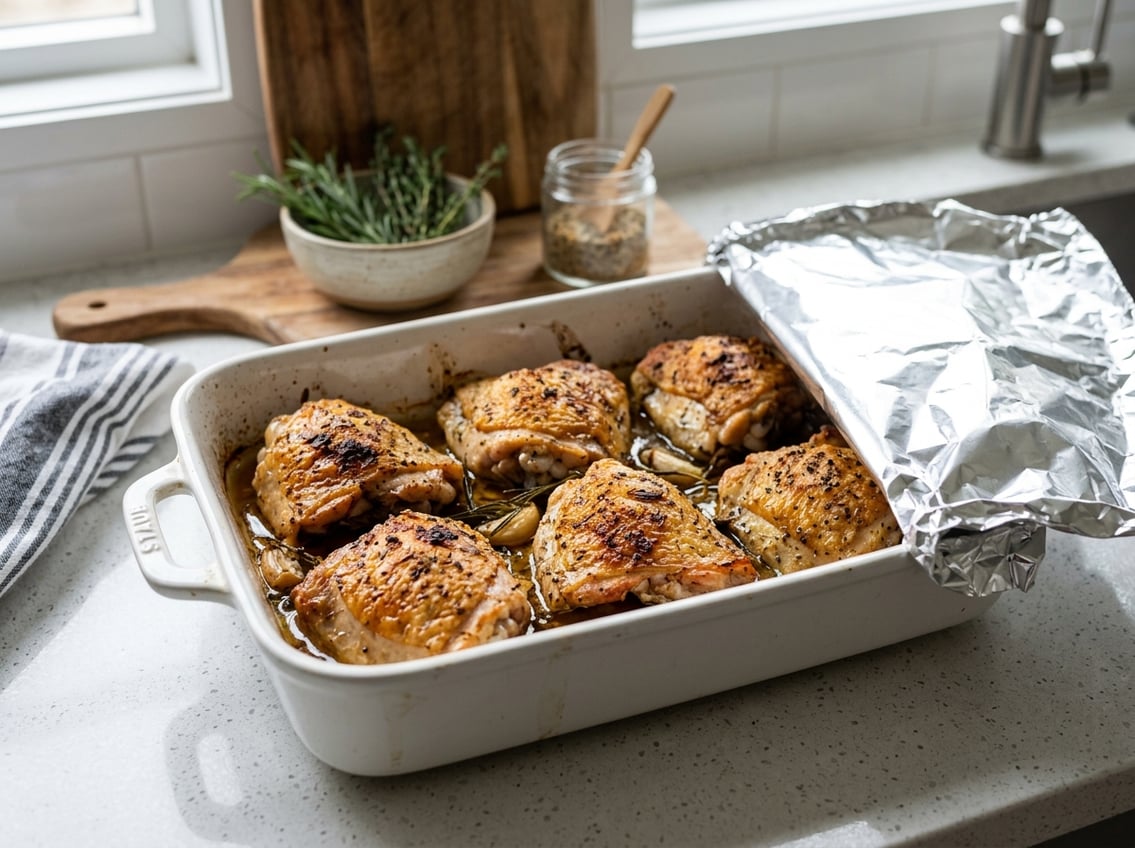
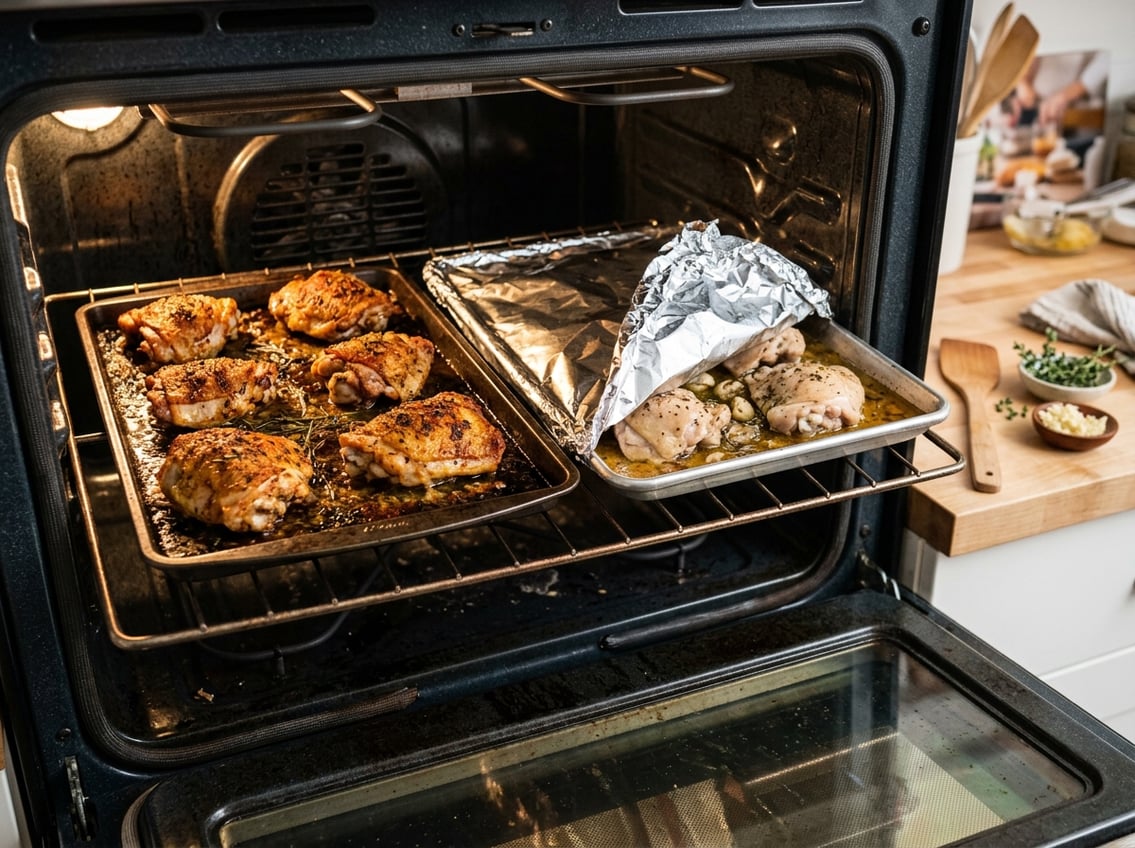
The key purpose of deciding between covering and uncovering chicken is to control moisture, texture, and flavor. When you bake chicken covered with aluminum foil, the trapped steam keeps the meat succulent and prevents it from drying out — especially during longer cooking times. This method is ideal when you want a soft, tender finish, such as when baking bone-in chicken thighs or stuffing a whole bird. On the other hand, baking chicken uncovered allows the skin to crisp and the surface to develop a delicious golden-brown colour through the Maillard reaction. Each approach serves a different culinary goal.
Consider a few everyday scenarios to bring this into context. Imagine you are preparing a roasted whole chicken for a family dinner. Starting covered for the first portion of cooking ensures the meat cooks evenly and stays juicy, while removing the foil for the final 20 to 30 minutes creates that coveted crispy, seasoned skin. Alternatively, if you are baking small chicken breasts for meal prep, leaving them uncovered from the start will dry them out too quickly — covering them with foil or even a small splash of broth in the pan helps retain the moisture you need. These small adjustments make a significant difference in the final plate.
Must Read
There are also important benefits for everyday life that come from mastering this technique. Baking chicken covered reduces the risk of oversized oil splatters and cuts down on oven cleaning, making it a practical choice for busy households. The covered method improves cooking consistency, so even less experienced cooks can feel confident serving perfectly cooked chicken. Meanwhile, uncovered baking gives you full creative control over seasoning, glazes, and rubs, making it the preferred method when presentation matters most, such as when serving guests or taking food to a potluck.
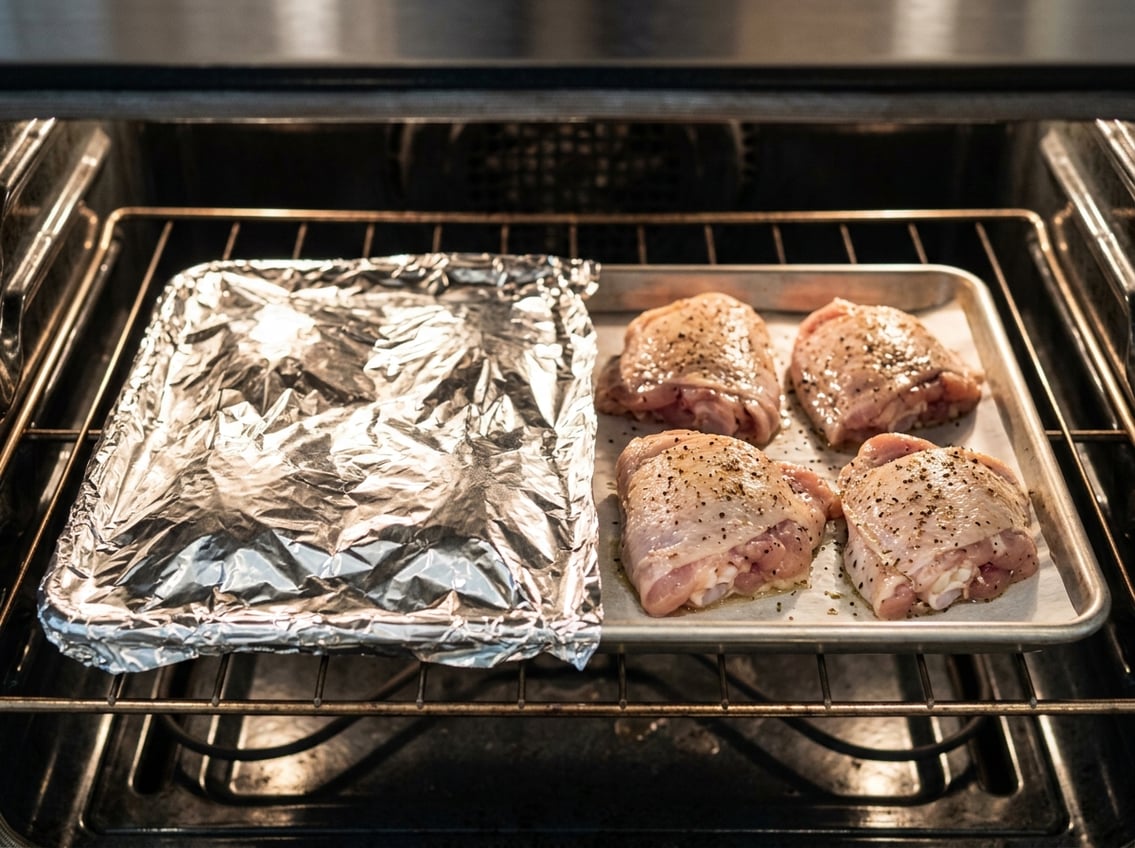 Do You Cover Chicken Thighs in the Oven? Best Baking Methods Explained
Here are a few simple tips to help you explore this on your own. First, always preheat your oven to the recommended temperature — typically between 350°F and 425°F — for reliable results. Use a meat thermometer to ensure the internal temperature reaches 165°F (74°C), regardless of whether the chicken is covered or not. Second, try a hybrid approach: cover the chicken for the first 60–70% of the cooking time, then uncover it for the rest to get the best of both worlds. Third, brush the chicken with a thin layer of oil or butter before uncovering to enhance browning and add a richer flavour.
Ultimately, the choice between covered and uncovered baking comes down to what you value most in your meal — moisture or crunch, simplicity or flavour development. Both methods are entirely valid, and many experienced cooks actually combine them depending on the cut of meat and the desired outcome. Experimenting with each approach will help you understand your oven\'s behavior and fine-tune your technique. Once you recognise how covering and uncovering influence your chicken, you will never second-guess this decision again — you will simply know what your dish needs.