Do Figs Help With Constipation

Welcome, fellow seekers of digestive bliss! If you’ve ever felt that uncomfortable, sluggish, “stuck” feeling in your belly, you’re not alone. Constipation is a common, yet to...

Welcome, fellow seekers of digestive bliss! If you’ve ever felt that uncomfortable, sluggish, “stuck” feeling in your belly, you’re not alone. Constipation is a common, yet totally un-fun, visitor. But here’s the good news: relief might be hiding in your fruit bowl, wrapped in a chewy, sweet package. We’re talking about figs—nature’s little candy that might just be your gut’s new best friend. This article isn’t a medical lecture; it’s a playful exploration of why figs can help you get things moving. The purpose is simple: to show you how a delicious, everyday snack can turn a bloated day into a “feel-light” day. The advantages? No weird powders, no bitter teas—just a tasty, fiber-packed fruit that works with your body. Let’s dive into the figgy secret!
First, let’s get to the core of the matter: fiber. Figs are a powerhouse of both soluble and insoluble fiber. Think of insoluble fiber as a bristly scrub brush that sweeps through your intestines, adding bulk to your stool and helping it travel faster. On the other hand, soluble fiber acts like a gentle sponge, soaking up water to soften the stool so it slides out with ease. A single dried fig packs about 1.5 grams of fiber, and a cup of fresh figs gives you nearly 8 grams. That’s a serious boost for your daily intake! The combination of both types is what makes figs so effective—they don’t just push; they also plump. So, if you’re feeling backed up, swapping a bag of chips for a handful of figs is a deliciously smart move.
But wait, there’s more! Figs don’t rely on fiber alone. They also contain an enzyme called ficin, which helps break down proteins in your digestive tract. Think of it as a tiny, natural Pac-Man gobbling up the gunk that might be slowing things down. Plus, figs are rich in prebiotics, which are food for the good bacteria in your gut. Happy gut bacteria means better digestion and more regular bathroom visits. For a creative example, try this breakfast idea: slice fresh figs in half, drizzle with honey, and sprinkle with a little psyllium husk. The combination of fig fiber, prebiotics, and psyllium’s gel-like effect is like a triple threat against constipation. Or for a fun snack, stuff a dried fig with a small piece of dark chocolate and an almond—it’s sweet, crunchy, and still helps keep things moving.
Must Read
Now, let’s talk about timing and hydration. Figs are like tiny sponges; they need water to work their magic. If you eat a bunch of dry figs without drinking enough fluids, you might actually make constipation worse. So, here’s a practical tip: soak your dried figs overnight in a glass of water. By morning, the figs will be plump and soft, and the water will be infused with their natural sugars and fibers. Drink that water first, then eat the figs. This trick is an old grandmother’s remedy that truly works because the hydration synergizes with the fiber. Another idea: add chopped figs to your oatmeal or yogurt, but make sure you drink a big glass of water alongside your breakfast. The ratio is simple: for every half-cup of dried figs, drink an extra eight ounces of water.
For those who want to get strategic, try a “fig challenge” for three days. Each day, eat three dried figs or a handful of fresh ones (about 4–6) spaced throughout the day. Don’t gulp them all at once; spread them out. Pair each serving with a large glass of water. You can also combine figs with other constipation-fighting foods for a powerful punch. For example, make a fruit salad with kiwi, prunes, and figs. Kiwi has a digestive enzyme called actinidin, prunes are famous for their sorbitol (a natural laxative), and figs bring their fiber and ficin. This combo is a colorful, tasty symphony that your colon will thank you for. Just be mindful: if you’re not used to high-fiber foods, start with just one fig a day and gradually increase to avoid gas or bloating—your gut needs time to adjust to this sudden burst of goodness.
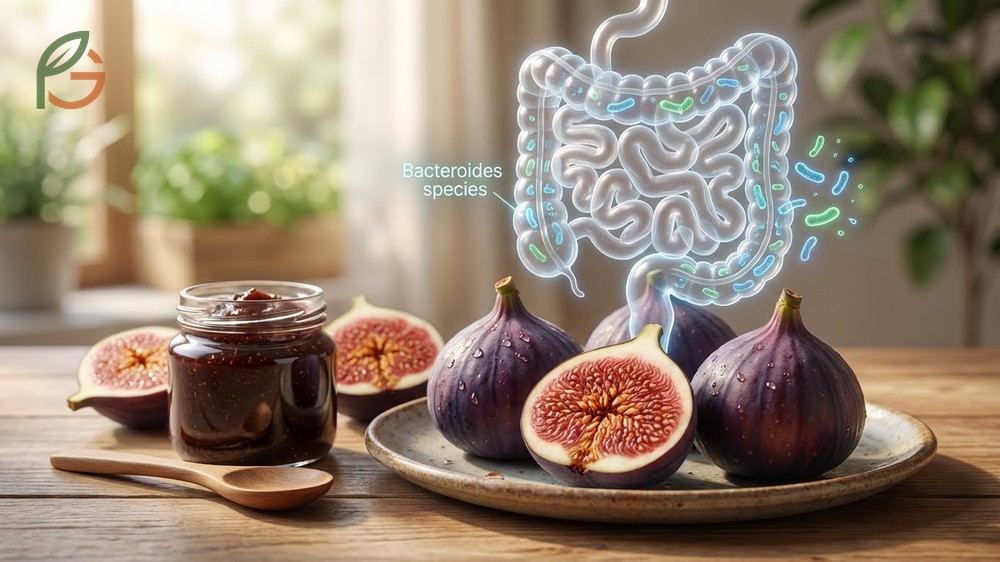 Figs For Constipation: Natural Relief Guide | 27 June, 2026
If you’re feeling adventurous, you can turn figs into a digestive syrup. This is a simple, old-fashioned remedy that’s surprisingly effective. Boil a handful of dried figs in two cups of water for 10 minutes, then simmer until the liquid reduces by half. Mash the figs into the water, strain the mixture, and add a tablespoon of honey or maple syrup. Store this syrup in your fridge and take a tablespoon each morning. The concentrated fiber and natural sugars will gently stimulate your bowels. Just be warned: it’s sweet and delicious, so you might be tempted to drink more, but remember, a little goes a long way. This syrup is not a cure-all, but it’s a wonderful, natural tool to have in your pantry, especially during travel or holiday indulgences when constipation is most likely to strike.
Finally, remember that figs are a helper, not a magic bullet. They work best as part of a balanced lifestyle that includes regular exercise, plenty of water, and a diet rich in other vegetables and whole grains. For best results, eat figs fresh when in season (late summer to fall), as they contain more water and fiber than dried varieties. But dried figs are a fantastic year-round option, just watch for added sugars in packaged ones. A single serving of dried figs (about four to five) can provide 15–20% of your daily fiber needs. So, next time you feel that uncomfortable bloating, reach for a figgy snack instead of a pill. Your taste buds and your bathroom schedule will both be happier. Happy digesting!