Do Butterball Turkeys Have Butter In Them

For millions of Americans, the centerpiece of a Thanksgiving or Christmas feast is a perfectly roasted turkey, and for decades, the name Butterball has been synonymous with a...
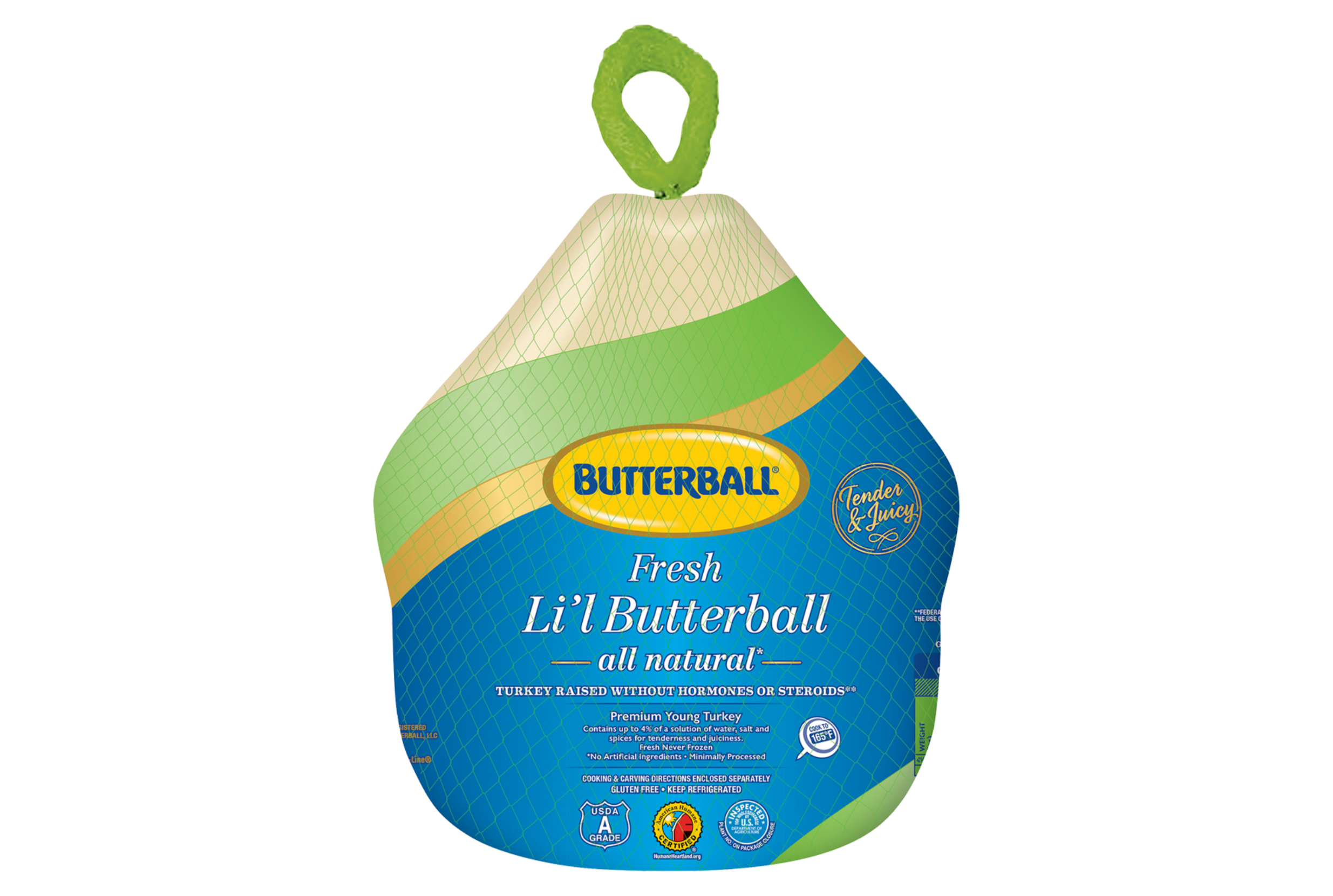
For millions of Americans, the centerpiece of a Thanksgiving or Christmas feast is a perfectly roasted turkey, and for decades, the name Butterball has been synonymous with a reliably moist and tender bird. The very brand name conjures images of rich, golden butter, leading many home cooks to wonder: do these turkeys actually have butter injected into them? This curiosity is more than trivial; it speaks to our collective desire for a foolproof holiday meal without the anxiety of a dry, disappointing centerpiece. Understanding what makes a Butterball unique can transform your cooking experience, saving you time and ensuring your family enjoys a truly succulent bird every time.
The straightforward answer to the burning question is no, Butterball turkeys do not contain butter as an ingredient. The name "Butterball" is a trademarked brand, not a description of the product's contents. Instead, the company uses a proprietary process called Deep Basting, which involves injecting the turkey with a solution of water, salt, and natural vegetable oils before freezing. This solution is designed to mimic the self-basting effect that home cooks once achieved by repeatedly spooning pan juices over the bird. The key benefit here is consistency—every Butterball turkey arrives with a built-in moisture barrier, significantly reducing the risk of overcooking and drying out, which is the most common error for home chefs.
The practical benefits of this pre-brined approach are immense for everyday life, especially for busy families or novice cooks. Imagine hosting a holiday dinner where you are also responsible for side dishes, desserts, and greeting guests. With a standard turkey, you must vigilantly baste the bird every 30 minutes, adding stress and opening the oven door repeatedly, which lengthens cooking time. With a Butterball, you can skip the basting entirely, freeing you to focus on other tasks and enjoy your company. The injected solution also ensures that even the lean breast meat remains moist and flavorful from edge to center, eliminating the "white meat vs. dark meat" complaints often heard at the dinner table. For a family of six trying to enjoy a peaceful meal, this reliability is a genuine quality-of-life upgrade.
Must Read
To understand the texture, consider a scenario: you slice into a standard roasted turkey, and the breast meat appears mealy or fibrous, often requiring extra gravy to swallow. In contrast, a properly cooked Butterball yields a slice that is firm yet juicy, with visible moisture and a tender bite. This is because the Deep Basting process works at a cellular level, helping the meat retain its natural juices while adding a subtle, savory seasoning. The result is that even a leftover sandwich the next day is satisfying, without the stale, dried-out texture that plagues many holiday leftovers. This means less food waste and more enjoyment from your investment—a clear win for budget-conscious households.
While the brand's name may be a misdirection, the convenience it offers is very real. For readers who want to explore this benefit themselves, a few simple tips can ensure success. First, always thaw your Butterball completely in the refrigerator—a 24-hour defrost for every 4–5 pounds of turkey is a safe rule. Never thaw it on the counter, as the injected solution can promote bacterial growth if not kept cold. Second, because the bird is pre-seasoned, avoid adding extra salt to your dry rub or brine; the injected solution already contains a balanced amount. Instead, focus on flavoring the skin with herbs like rosemary, thyme, and garlic, or a light coating of olive oil for a crisp golden finish.
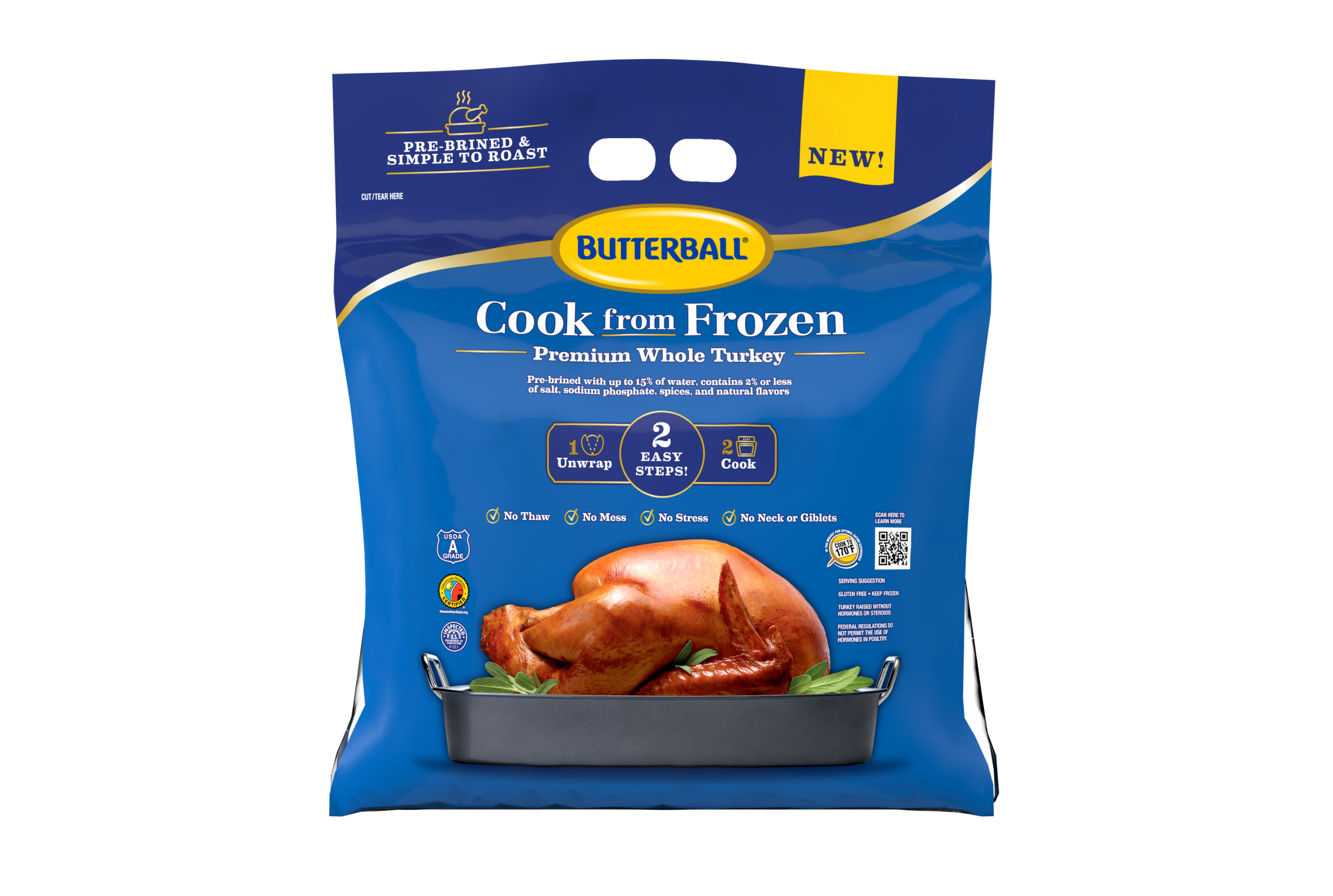 Whole Turkeys | Butterball
Another essential tip is to use a meat thermometer rather than relying on pop-up timers or suggested cooking times. The USDA recommends an internal temperature of 165°F in the thickest part of the thigh and breast. Because Butterballs are pre-basted, they can cook faster than unbrined birds, so checking early prevents overcooking. For the juiciest results, let the turkey rest for 20–30 minutes after removing it from the oven. This allows the juices to redistribute, ensuring that every slice, from the first to the last, retains that signature moisture. These small adjustments can dramatically elevate your results, turning a simple meal into a memorable one.
In conclusion, while the name "Butterball" might imply a dairy-filled indulgence, the real magic lies in a smart, food-science solution to an age-old cooking challenge. The key purpose of this product is to democratize the art of roasting a turkey, making it accessible, forgiving, and consistently excellent for cooks of all skill levels. By removing the guesswork and the labor of basting, it allows you to reclaim your time and focus on what truly matters: sharing a warm, delicious meal with loved ones. So, the next time you see a Butterball in the grocery aisle, you can appreciate it not for the butter it doesn’t contain, but for the peace of mind it delivers straight to your holiday table.

