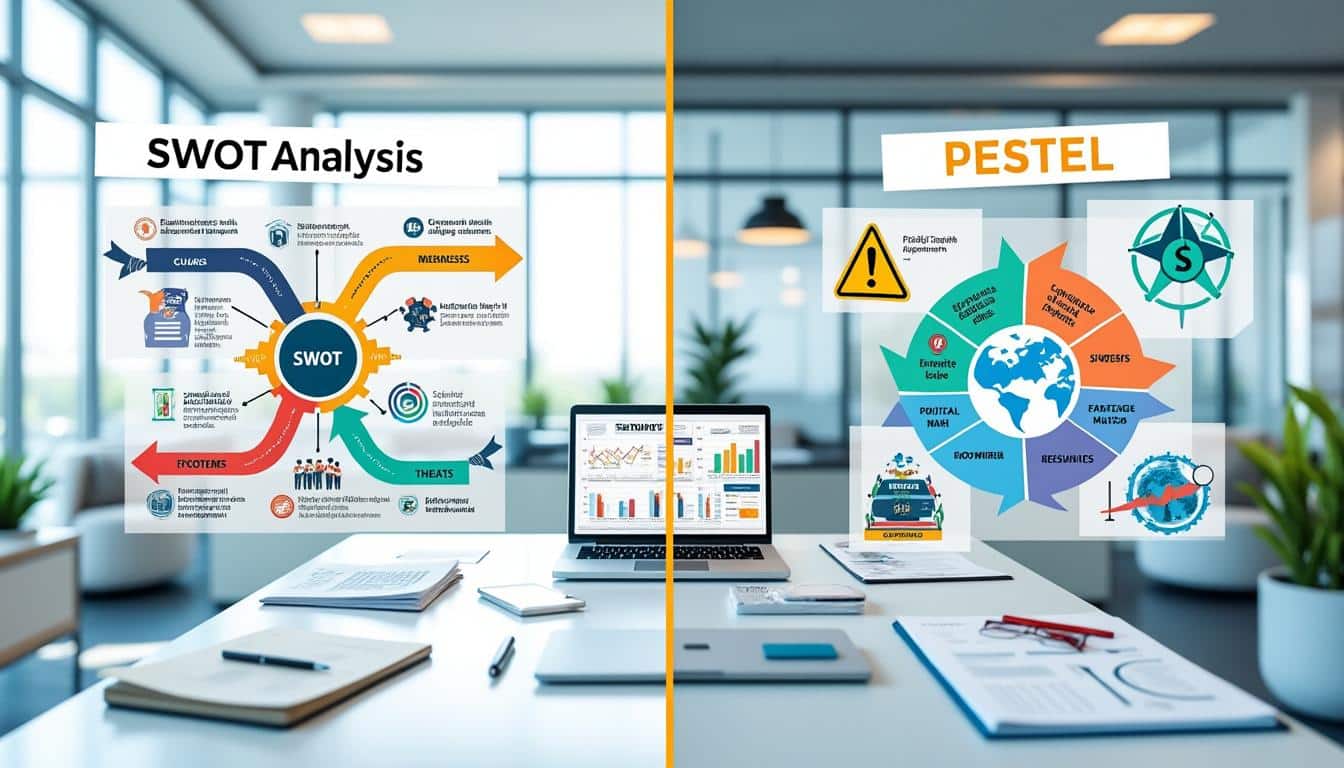
Diversification Pestel And Swot Analysis

Many people find comfort in understanding how businesses and organizations make strategic decisions, and that curiosity often leads them to frameworks like PESTEL, SWOT, and d...
Many people find comfort in understanding how businesses and organizations make strategic decisions, and that curiosity often leads them to frameworks like PESTEL, SWOT, and diversification strategies. These tools provide a clear lens for analyzing markets, predicting challenges, and seizing new opportunities. By combining these approaches, individuals and business leaders can develop a well-rounded view of their environment and make informed choices that extend well beyond the boardroom. Whether you are a student, a professional, or a curious learner, exploring these frameworks offers practical insight into how the world of business truly operates.
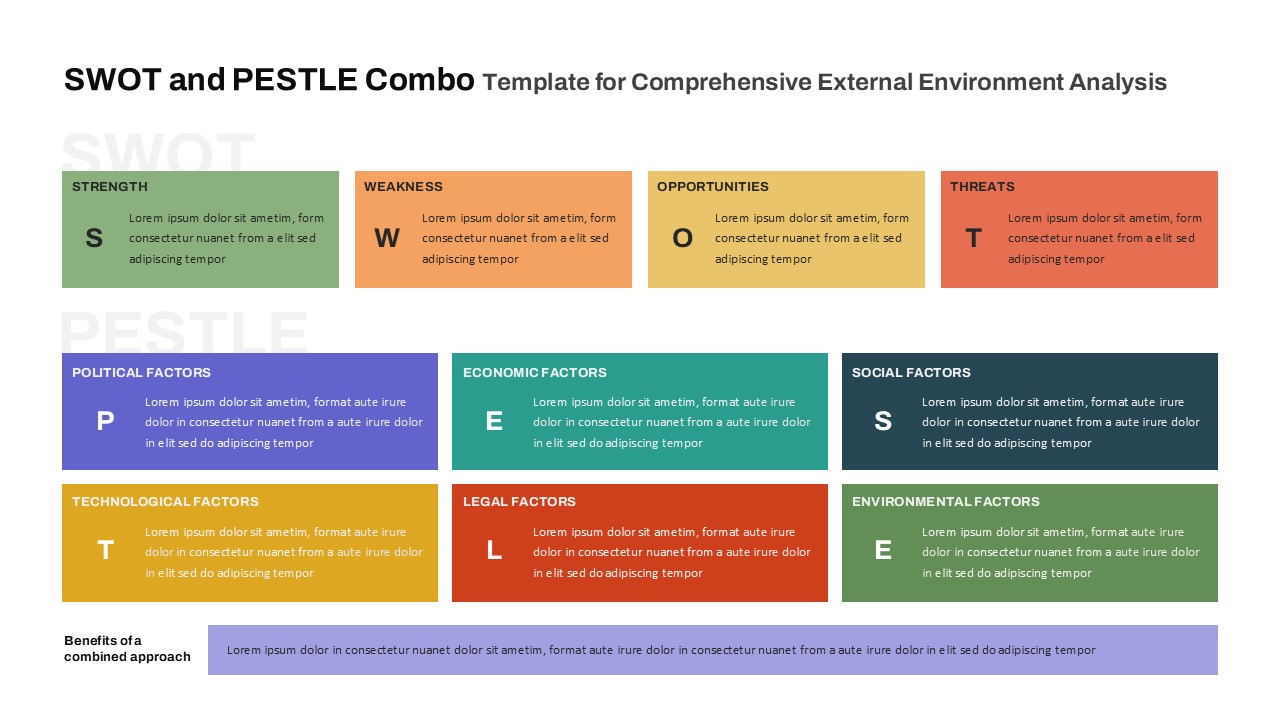
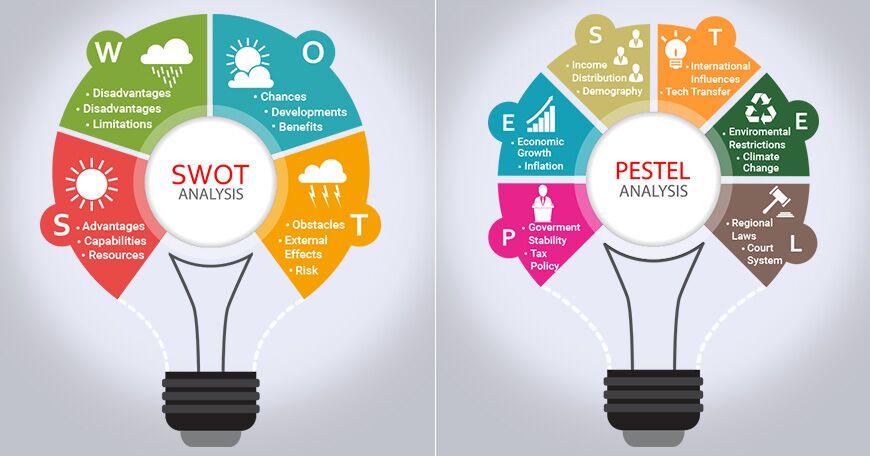
The PESTEL analysis examines six external factors—Political, Economic, Social, Technological, Environmental, and Legal—that shape the landscape in which any organization operates. Its key purpose is to scan the broader environment for trends, threats, and opportunities that might affect strategic direction. For instance, a company planning to launch a new product line can use PESTEL to evaluate whether shifting government regulations, economic downturns, or emerging consumer preferences will support or hinder that expansion. This structured approach ensures that decision-makers do not overlook critical external forces that could quietly reshape their competitive position over time.
Complementing the external focus of PESTEL, the SWOT analysis provides a balanced internal and external perspective by identifying an organization's Strengths, Weaknesses, Opportunities, and Threats. It serves as a quick yet powerful diagnostic tool that helps leaders see where they stand before committing to a course of action. Reaching back to the earlier product launch example, a company might discover through SWOT that while it has a strong brand reputation (a strength), it lacks technical expertise in a new region (a weakness). Recognizing these realities early allows the organization to allocate resources wisely, address gaps proactively, and align internal capabilities with external possibilities.
Must Read
When PESTEL and SWOT are paired with a diversification strategy, the analysis becomes even more compelling. Diversification involves expanding into new markets or product categories to spread risk and unlock fresh revenue streams. The combination of these three frameworks offers clear, long-term benefits: decision-makers gain a panoramic view of the external environment (PESTEL), a candid audit of internal capacity (SWOT), and a roadmap for growth (diversification). In everyday life, this integrated mindset can even guide personal choices—consider a professional deciding whether to start a side business. By scanning societal trends, assessing personal skills, and weighing the risks of branching out, they apply the same strategic logic that top executives use every day.
The advantage of weaving these tools together lies in the completeness of the picture they create. PESTEL highlights what is happening outside, SWOT reveals what is happening inside, and diversification provides actionable direction. A real-world scenario illustrates this well: when the ridesharing giant Uber decided to enter the food delivery market with Uber Eats, it first evaluated macroeconomic and technological trends (PESTEL), assessed its existing technology platform and brand (SWOT), and then diversified beyond ride-hailing to capture an entirely new customer base. This deliberate, multi-layered approach significantly reduced uncertainty and laid the groundwork for sustained growth in a competitive industry.
 SWOT Analysis vs. PESTEL Analysis
Readers who wish to explore these frameworks on their own can start with a few simple tips. First, pick any organization you are curious about and attempt a brief PESTEL scan, listing one or two points under each of the six categories. Next, conduct a SWOT analysis by honestly listing internal positives and negatives alongside external chances and risks. Finally, consider the diversification question: what new product, service, or market could that organization credibly enter? Writing these reflections down—even informally—turns theory into practical understanding and sharpens your ability to think strategically about any venture, from a household budget plan to a multinational corporate launch.
In summary, the synergy of diversification, PESTEL, and SWOT analysis equips anyone with a structured yet adaptable way to navigate complexity. These frameworks are not merely academic exercises; they are living tools that shape confident decision-making in business and daily life alike. By practicing them regularly, readers develop a strategic habit of mind that transforms overwhelming uncertainty into a series of clear, manageable steps toward success.