Difference In Smoked Sausage And Kielbasa

Okay, let’s get this out of the way: I used to think that kielbasa was just a fancy, slightly unpronounceable name for smoked sausage. You know, the kind you throw on a sheet...
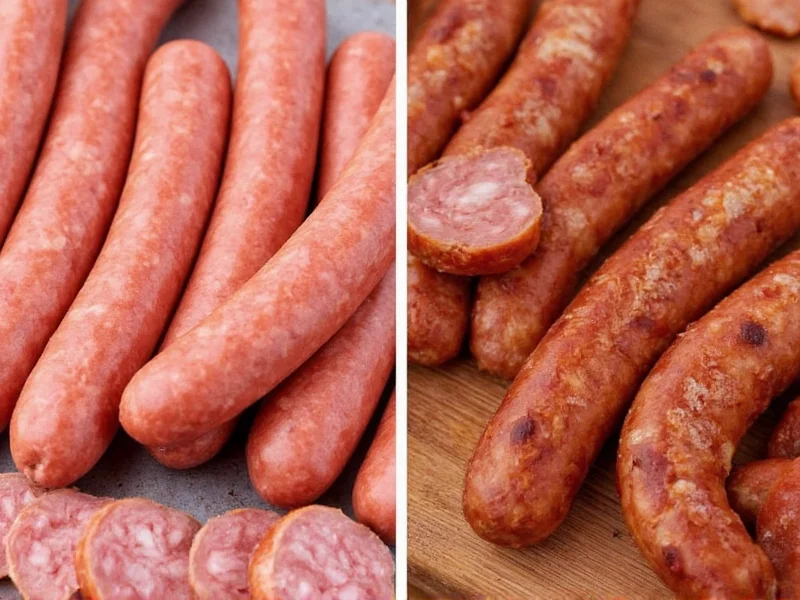
Okay, let’s get this out of the way: I used to think that kielbasa was just a fancy, slightly unpronounceable name for smoked sausage. You know, the kind you throw on a sheet pan with some peppers and pretend you’re a gourmet chef on a Tuesday night. Turns out, I was very wrong. And honestly, I’m a little embarrassed it took me this long to figure it out.
So grab a seat, maybe a cold beer, and let’s untangle this meaty mystery together. We’re talking about the difference between smoked sausage and kielbasa—and trust me, it’s more than just a label from the “fancy” aisle at the grocery store.
Let’s start with the biggest curveball: All kielbasa is a type of smoked sausage, but not all smoked sausage is kielbasa. Deep breath—I know, it’s like that time I learned that all thumbs are fingers, but not all fingers are thumbs. Mind. Blown. In the butcher’s world, “kielbasa” is actually the Polish word for sausage. So if you’re in Warsaw and you ask for kielbasa, you’ll get a smorgasbord of options—fresh, smoked, dried, even boiled. But in the U.S., when we say kielbasa, we’re almost always talking about that distinctive, U-shaped, garlicky smoked sausage with a chewy snap.
Must Read
Now, “smoked sausage” is the wild, free-spirited cousin. It’s a blank canvas. Think about it: you’ve got your smoked andouille from Louisiana (spicy, for gumbo), your smoked chorizo from Spain (paprika-heavy, for paella), or the simple, mild smoked links your grandma used to slice into baked beans. These sausages are defined by their smoking process—hanging over hickory, applewood, or mesquite for that deep, campfire flavor. But here’s the key: smoked sausage can be made from pork, beef, turkey, or even game meat. It’s the chameleon of the deli counter.
Kielbasa, however, has a bit of a snobbery streak. Traditional Polish kielbasa is almost always made from pork—sometimes with a touch of beef—and it’s seasoned with a specific, almost sacred trinity of flavors: garlic, marjoram, and black pepper. That’s its fingerprint. If you bite into a link that tastes like a summer herb garden met a garlic clove in a smoky bar, you’re likely eating kielbasa. Meanwhile, a generic smoked sausage might lean harder on paprika, cayenne, or even maple syrup (I see you, breakfast links).
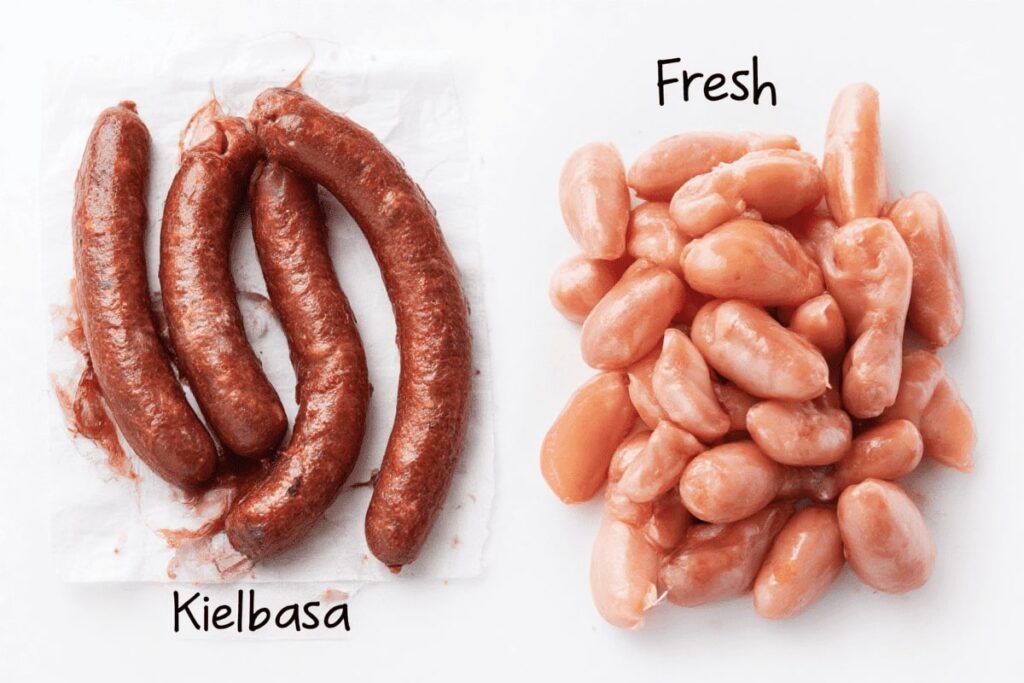 What Is Kielbasa Meat?
And the texture? Game changer. Real kielbasa has a coarse, chunky grind. You can see the bits of fat and meat. It’s rustic. It’s meant to be sliced thick and pan-fried until the edges go golden brown and crispy. Smoked sausage, on the other hand, often has a smoother, finer grind—almost like a hot dog’s ambitious older brother. That’s why it’s so good diced up in scrambled eggs or mac and cheese; it just melts into the dish.
Now, the million-dollar question: Can you swap them? Technically, yes. Culinary police, give you a warning? Probably. If you’re making a Polish platter with sauerkraut and pierogi, please use kielbasa. Your taste buds will thank you. But if you’re throwing together a quick jambalaya, go ahead—grab that smoked sausage. Kielbasa’s marjoram note might feel a little… confused next to the cayenne. Don’t be that person at the party.
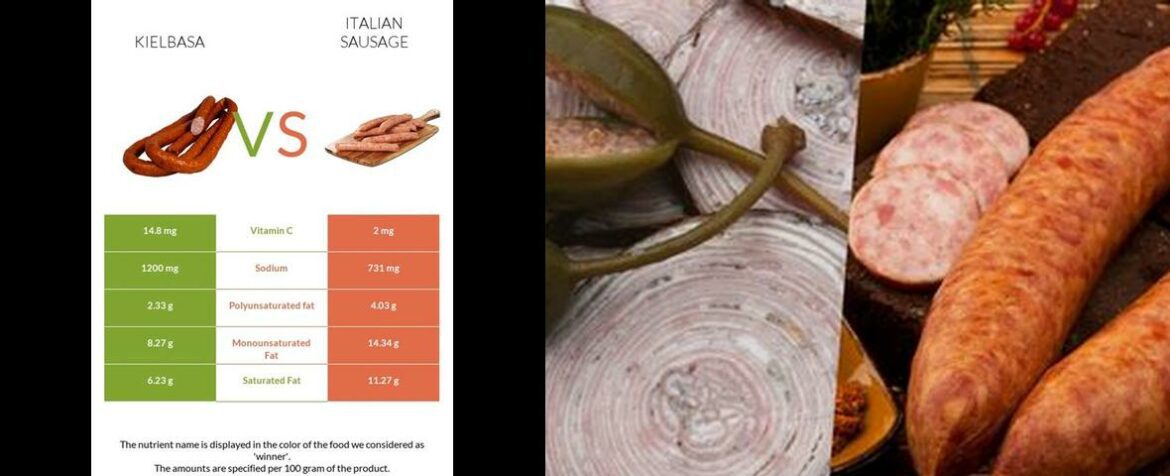 What Sets Kielbasa Apart from Smoked Sausage? Unraveling the Delicious
So here’s the uplifting truth: There is no wrong answer, just delicious decisions. Whether you’re Team Smoked Sausage—bold and versatile—or Team Kielbasa—traditional and garlicky—you’re winning. Both of them are just fine, smoky, savory links waiting to make your dinner better. And next time someone at the barbecue says, “Hey, is this kielbasa or just sausage?” you can smile knowingly, take a bite, and say, “Who cares? It’s delicious—and that’s the only label that matters.”
Now go forth, sizzle something, and eat happy. You’ve got this.
