Difference Between Yellow And White Cake

So, you’re standing in the baking aisle, staring at a box of yellow cake mix and a box of white cake mix, and you’re thinking: “Aren’t they… the same cake, just with different...
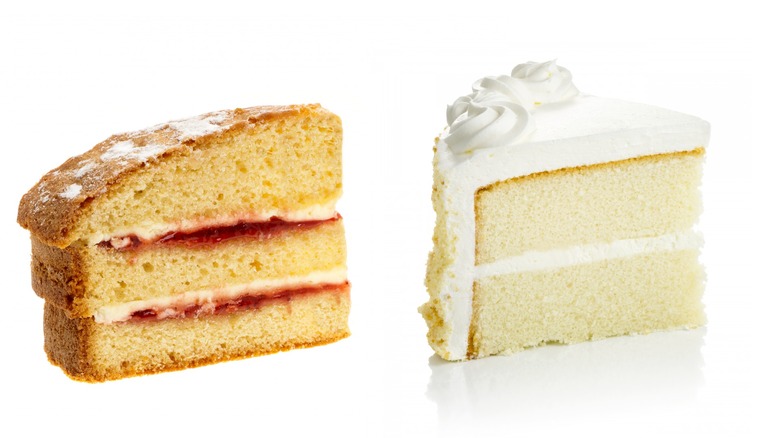
So, you’re standing in the baking aisle, staring at a box of yellow cake mix and a box of white cake mix, and you’re thinking: “Aren’t they… the same cake, just with different paint jobs?” I’ve been there. It’s the great dessert debate that nobody talks about at parties, but it can make or break your next birthday masterpiece. Let’s grab a cup of coffee—or a cold glass of milk—and untangle this golden (and snowy) mystery.
First, the obvious difference: color. Yellow cake is, well, golden. White cake is, shockingly, pale. But that’s like saying a unicorn and a horse are different because one has a horn. The real secret is in the egg situation. Here’s the cheat sheet: Yellow cake uses whole eggs (yolks and all), while white cake uses only egg whites. And those yolks? They’re the little sunshine bombs that bring richness, fat, and that warm vanilla color. White cake, in its quest for purity, ditches the yolks entirely. That means it’s leaner, lighter, and—let’s be honest—a bit of a diva. It’s the cake that wears a white dress and refuses to get dirty.
Now, texture is where things get really personal. Yellow cake is like that friend who gives you a big, warm hug. It’s moist, tender, and sturdy. Because of the egg yolks’ fat, it can stand up to heavy frostings like a chocolate ganache or a thick cream cheese frosting without crumbling into a sad pile. It’s the workhorse of layer cakes—the one you trust to hold up a towering, three-tiered wedding cake without complaining. White cake, on the other hand, is fluffier and airier, with a delicate, almost angelic crumb. It’s the cloud you want floating under a light, fruity mousse or a whipped cream topping. But be warned: it’s fragile. If you look at it wrong, it might break. Treat it like a Victorian-era teacup—with reverence and a gentle spatula.
Must Read
Taste-wise? Yellow cake tastes more buttery and rich, almost like a pound cake’s younger, more fun cousin. That golden hue comes from the yolks but also often from butter, so it’s deeply satisfying. White cake is more vanilla-forward and subtly sweet—a blank canvas for flavor. That’s why it’s the star of classic wedding cakes (where you want the frosting to shine) or in recipes like strawberry shortcake, where you want the fruit to sing, not the cake to steal the show. Pro tip: if you’re a frosting hoarder, go for white cake. It’s a sponge for buttercream approval.
There’s also a sneaky cultural factor. Yellow cake often has a dash of buttermilk or sour cream for tanginess, which gives it that “grandma’s recipe” vibe. White cake tends to use milk or water to keep it pristine. And check the box—some yellow mixes have a tiny bit of annatto or turmeric for color. Fake it ‘til you make it, right? The point is: one is not better than the other—they’re just made for different moments. Yellow cake is for a cozy Sunday dinner. White cake is for a tea party where everyone wears pearls.
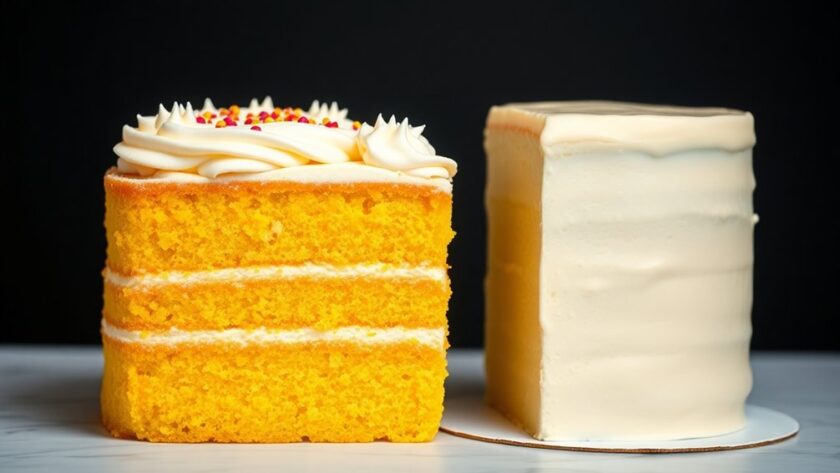 Yellow vs. Vanilla Cake: Unraveling the Delicious Differences - Dessert
So, which one do you choose? Simple: Ask your occasion. Need a sturdy, forgiving base for a mountain of sprinkles and a thick, decadent frosting? Yellow cake, baby. Want a light, ethereal dessert that pairs with fresh berries and a whisper of whipped cream? White cake is your muse. And if you’re ever confused, just remember: yolks = gold and warmth; whites = elegance and air.
Here’s the uplifting truth, sweet friend: Whether you go yellow or white, you’re still making cake. You’re still using butter, sugar, and love. And at the end of the day, the only difference that really matters is that someone—maybe you, maybe your bestie, maybe the six-year-old at the party—will take one bite and smile. So preheat that oven, do a little happy dance, and remember: life’s too short to argue about cake colors. Just eat the slice. 🍰
