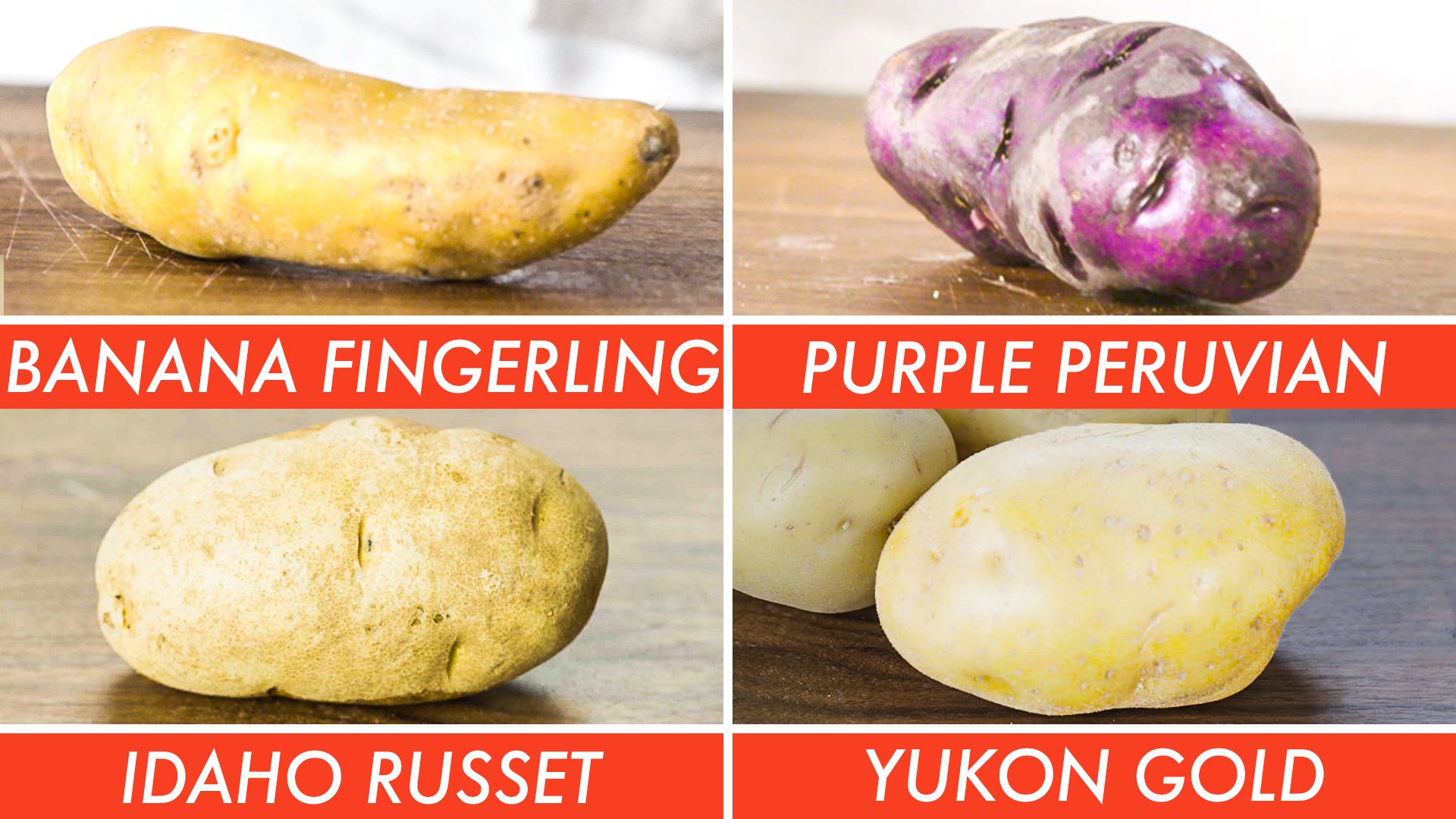
Difference Between Yellow And Russet Potatoes

If you’ve ever stood in the produce aisle, scratching your head over a pile of potatoes, you’re not alone. The yellow potato and the russet potato are the two most popular spu...
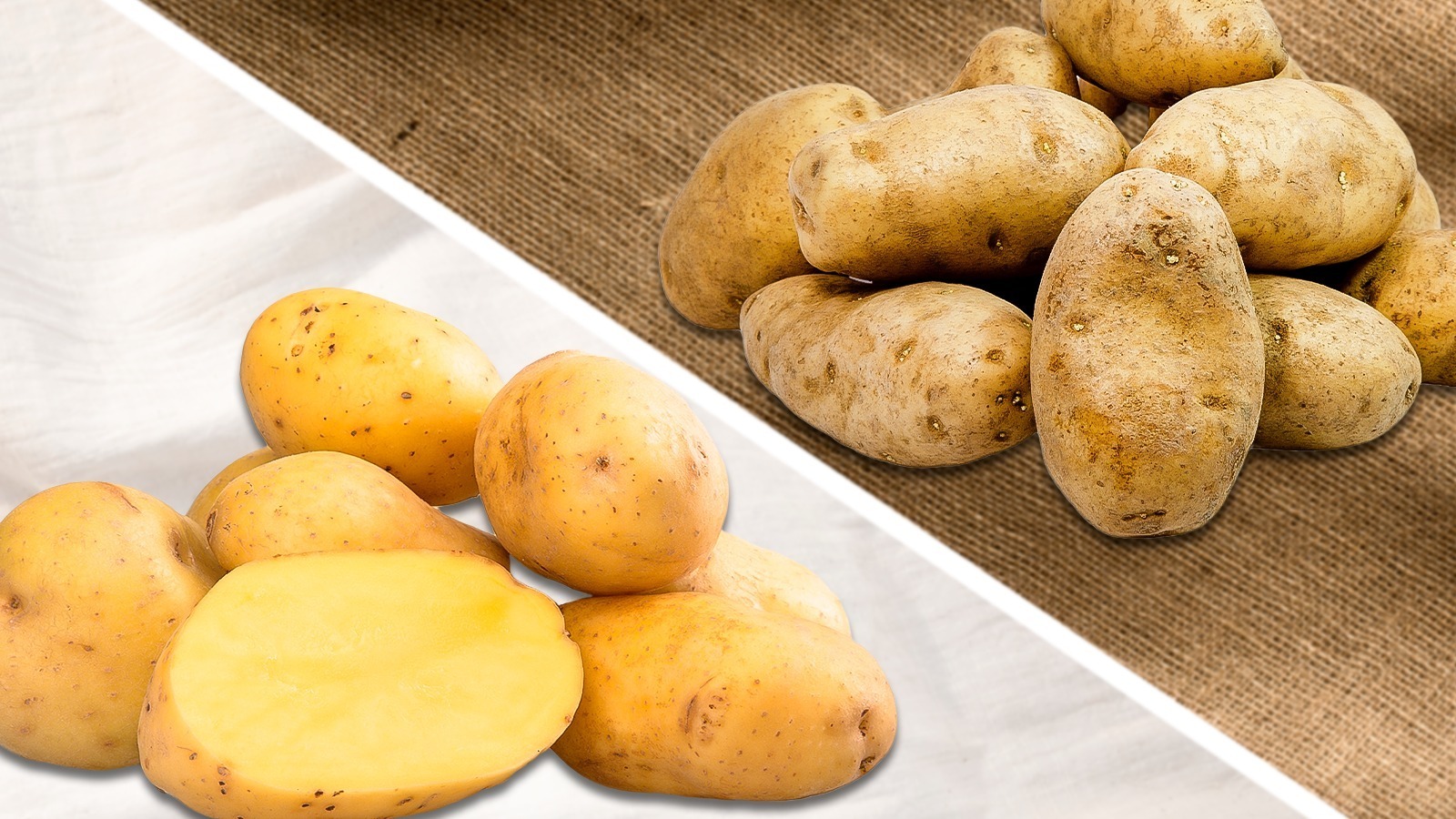
If you’ve ever stood in the produce aisle, scratching your head over a pile of potatoes, you’re not alone. The yellow potato and the russet potato are the two most popular spuds in the kitchen, yet they couldn’t be more different in personality. Knowing the difference isn’t just for chefs—it’s a game-changer for busy families, meal preppers, and anyone who loves a good, cheap dinner. Trust me, this is the cheat code to never ruining a recipe again.
The real reason this matters goes way beyond taste. For individuals, picking the right potato means less waste—no more mushy mashed potatoes or greasy fries. For families, it means faster, easier cooking on hectic weeknights. And for communities, it’s about stretching your grocery budget; a bag of russets costs the same as yellows, but using them wrong can leave you with a flop. Imagine the relief of knowing exactly which spud to grab for that perfect casserole or crispy breakfast hash. That’s practical peace of mind.
Let’s get real with everyday examples. Picture this: You’re making classic baked potatoes for a Friday night. You must pick a russet. Its thick, fluffy flesh acts like a cloud, soaking up butter and sour cream. Now imagine swapping in a yellow potato—you’d get a dense, waxy brick. Conversely, for a creamy potato salad or a crisp roasted side dish, yellows are the heroes. Their thin skins and buttery texture hold together perfectly, while a russet would fall apart into a soggy mess. Even for french fries: russets give you that cloud-like interior, yellows deliver a denser, almost sweet crunch.
Must Read
Here are a few practical suggestions to apply this tomorrow. First, look at your cooking method. Boil, steam, or pan-fry? Grab yellow potatoes. Bake, deep-fry, or mash? Go with russets. Second, check the texture you want—russets are fluffy and dry, yellows are creamy and waxy. Third, don’t stress about peeling: russet skins are tough, so peel them for soups; yellow skins are thin and delicious, eat them whole. Finally, store them apart—russets last longer in a cool, dark place; yellows are more forgiving but still hate light.
On a positive note, understanding this simple difference turns a basic ingredient into a superpower. You’ll never second-guess your potato choice again, saving time, money, and dinner disasters. Whether you’re feeding a crowd or just treating yourself, these two tubers are loyal allies in the kitchen. So next time you shop, grab both types—and use them wisely. Your taste buds, your wallet, and your family will thank you.