Difference Between Wonton And Rangoon

Okay, so picture this: you're sitting at your favorite Chinese-American restaurant, chopsticks in hand, menu in the other, and your friend asks, "What's the difference between...
Okay, so picture this: you're sitting at your favorite Chinese-American restaurant, chopsticks in hand, menu in the other, and your friend asks, "What's the difference between a wonton and a rangoon?" And suddenly, you panic. Like, real panic. Because honestly? Most of us have been eating both for years without ever really knowing what sets them apart. Let's clear this delicious mystery up together, shall we?
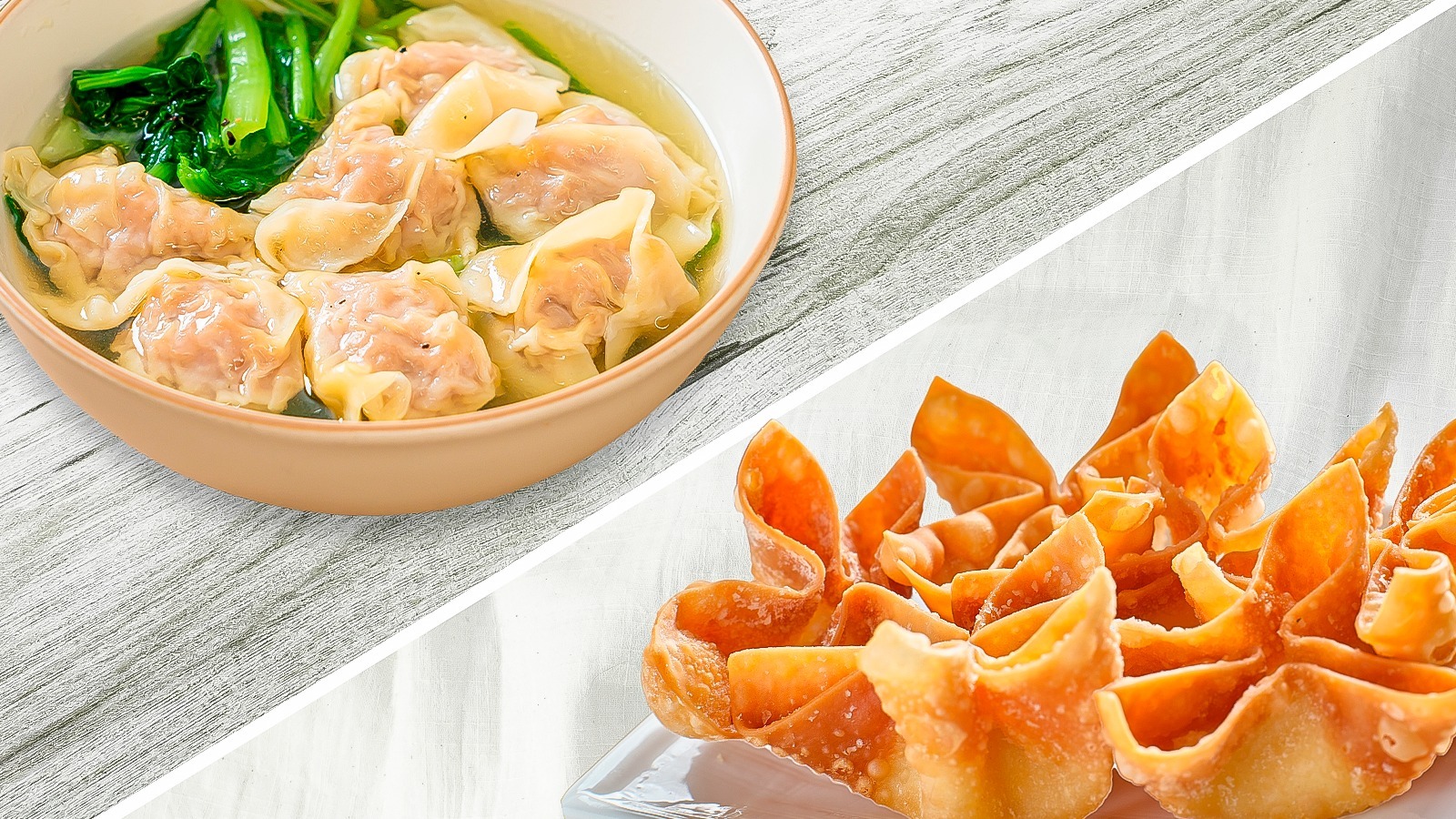
First up: the humble wonton. These little guys have been around for centuries, originating in ancient China, and they're basically the Swiss Army knife of dumplings. A wonton starts with a thin, square wrapper that gets filled with things like ground pork, shrimp, or a lovely combo of both, then folded into a neat little bundle — think of it as a gift-wrapped parcel of pure comfort. Wontons come in all shapes: some look like tiny pouches, others resemble little ears, and some are practically origami masterpieces. The classic wonton soup? That's just wontons swimming in a clear, savory broth. Warm, soothing, and basically a hug in a bowl.
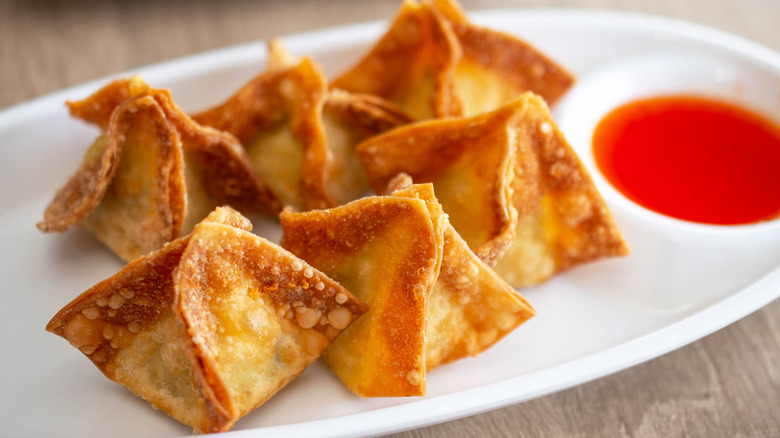
Now meet the crab rangoon — the party crasher of the appetizer world. Legend has it this snack was actually invented in the United States (plot twist, right?). The rangoon uses a similar thin wrapper, but here's where things get fun: it's traditionally stuffed with a creamy, cheesy filling of cream cheese and crab (or sometimes just imitation crab — no shame in that game). The wrapper gets folded into a distinctive triangular or flower-like shape and then — here's the kicker — it gets deep-fried to golden, crispy, shatteringly crunchy perfection.
Must Read
So, to break it down simply: the wonton is the gentle soul of Chinese cuisine — boiled or steamed, savory, and often served in soup. The rangoon is its wilder, state-side cousin — stuffed with cream cheese, fried until it's as golden as a sunset, and served alongside sweet and sour sauce. One whispers "nourish me," the other shouts "give me a good time!" And honestly? We need both kinds of people in our lives.
Another key difference is the wrapper technique. For wontons, the folding style is all about sealing the filling tightly so it stays put in boiling water. For ragoons, the folds create little pockets and pleats that crisp up in the fryer, giving you those irresistible crunchy edges. It's like the difference between wearing a cozy sweater and wearing a sequin jacket — same material, completely different vibes.
 Wonton vs Rangoon: 7 Differences You Need To Know Now
Here's a fun little survival tip for your next restaurant visit: if a menu lists them side by side and you can't tell them apart, just look at the cooking method. Fried and cheesy with a triangular shape? Rangoon. Plump little pouches floating in broth? Wonton. Bonus points if you can identify them while your friend is still scratching their head.
And you know what's the best part? There's no wrong choice. Whether you're team steamed-and-superb or team fried-and-fabulous, both of these treasures prove that simple ingredients, wrapped with care, can bring extraordinary joy to the table — and to life. The world doesn't always have to be complicated. Sometimes, all you need is a good wrapper, a generous filling, and a little bit of love. So go ahead, order both, share them with someone you enjoy chewing the fat with, and remember: life's too short not to appreciate every delicious bite. Cheers to that!