Difference Between White Onion And Red Onion

Okay, so picture this: you're standing in the grocery store, staring at the onion aisle like it's a choose-your-own-adventure book. On your left, there's the white onion — cle...
Okay, so picture this: you're standing in the grocery store, staring at the onion aisle like it's a choose-your-own-adventure book. On your left, there's the white onion — clean-cut, uniform, practically the preppy kid of the produce section. On your right, you've got the red onion — bold, purpley-pink, and undeniably the life of the party. And you think, "They're just onions, right?" Oh, my sweet summer child, that couldn't be further from the truth. These two are totally different, and knowing which to grab can seriously level up your cooking game.
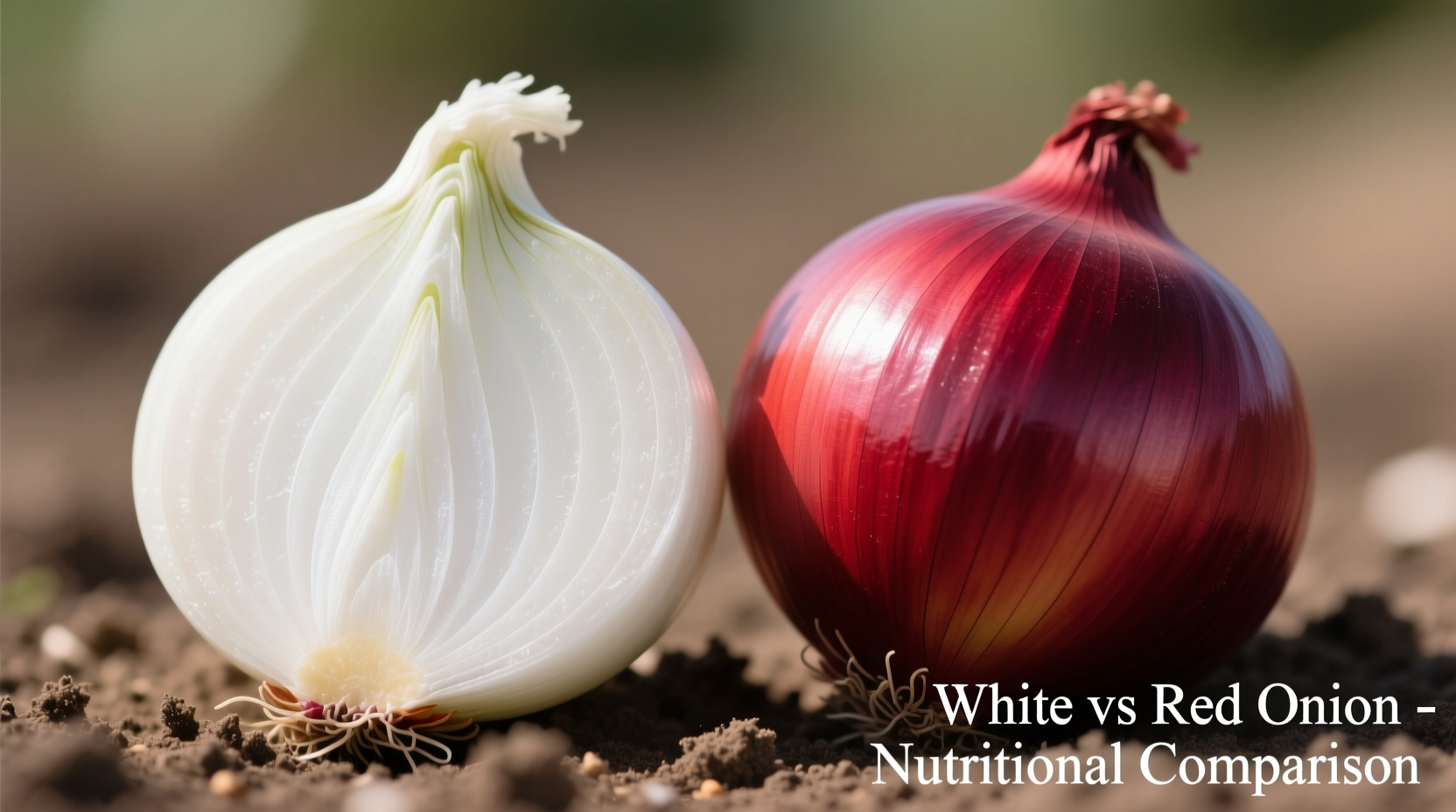
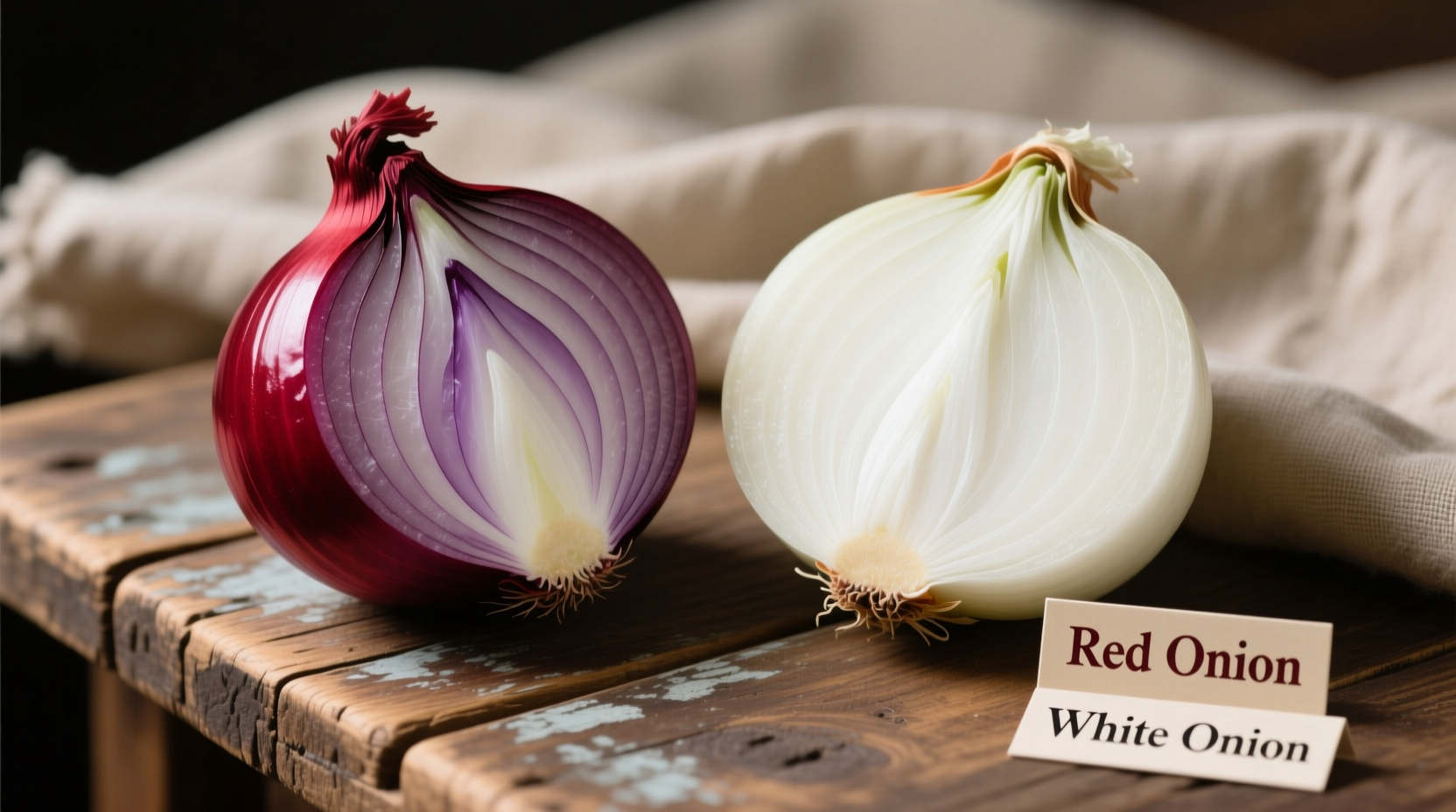
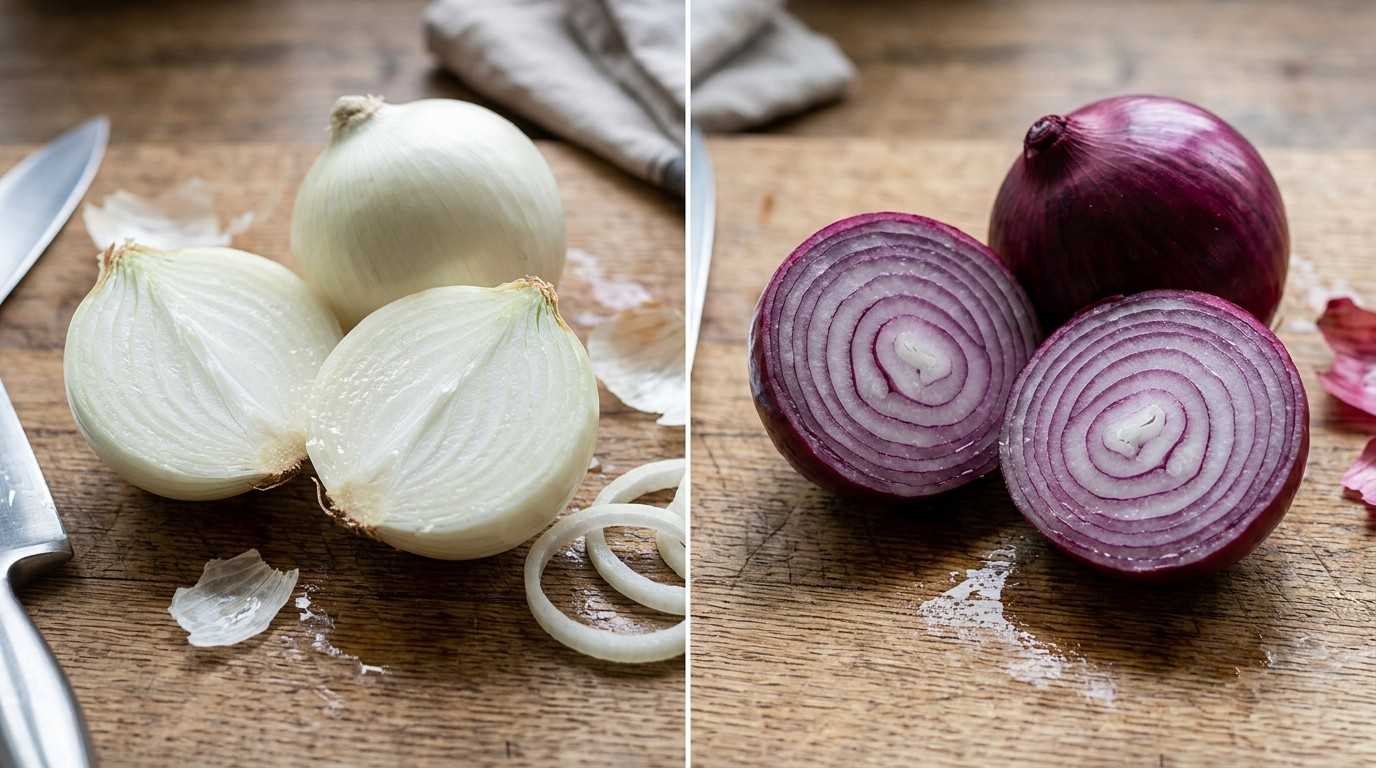
Let's start with the obvious: color and appearance. White onions have that bright, paper-white flesh that almost sparkles when you slice into it. Red onions, on the other hand, bring a gorgeous magenta-purple hue that looks stunning draped over salads and grain bowls. If you're the type who eats with your eyes first — and let's be honest, who isn't? — red onions automatically win the beauty contest. But don't underestimate white onions; they're quietly elegant in their own right.
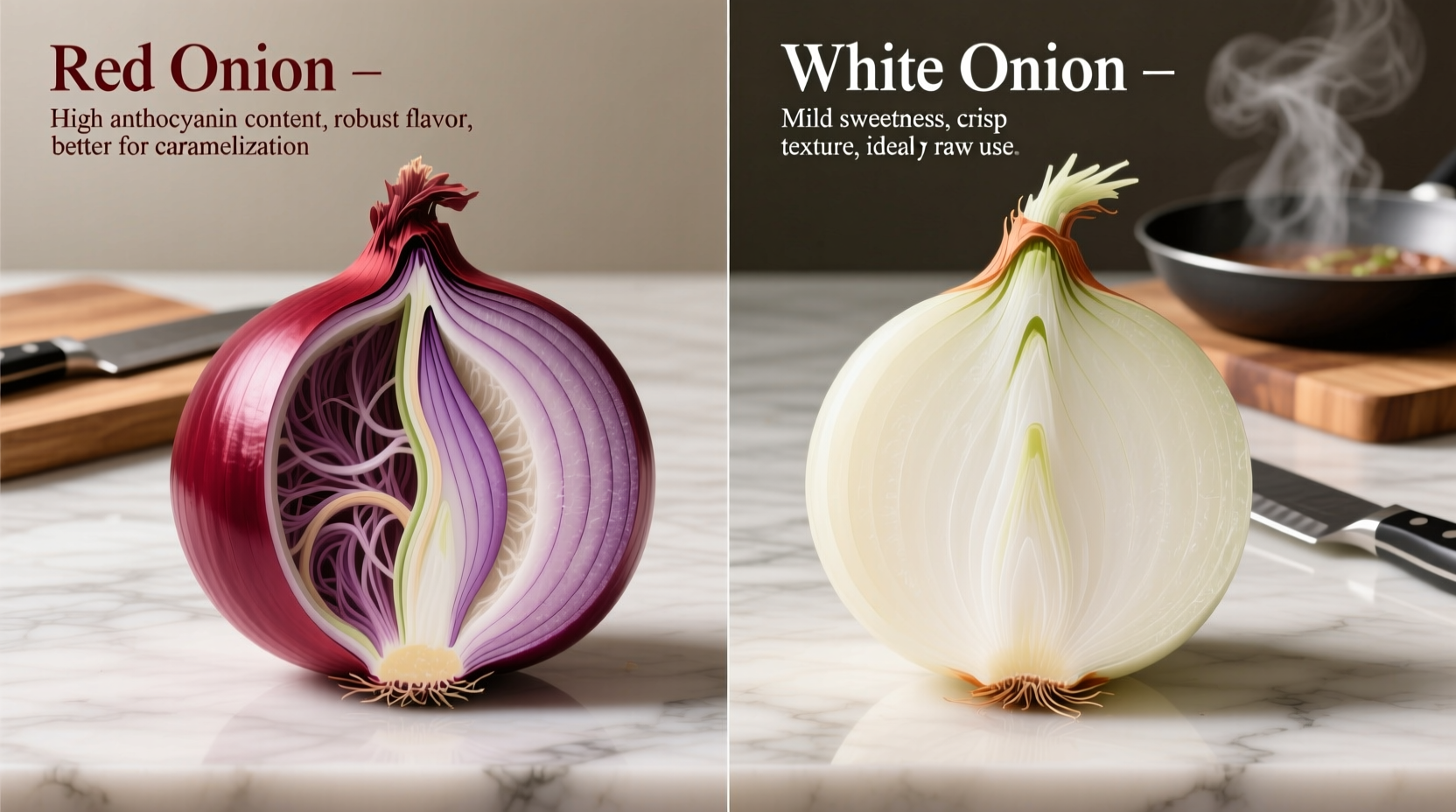
Now, here's where things get really interesting: flavor. White onions pack a sharper, more intense bite. They're punchy and strong, almost like that one friend who tells you exactly how they feel — no sugarcoating. Red onions? They're the friendlier roommate. Slightly milder, a touch sweeter, and way more approachable. This is exactly why red onions never disappoint when you eat them raw. Toss a few rings on a burger or into a taco, and you've got this perfectly balanced kick without wanting to cry into your guacamole.
Must Read
Speaking of tears, yes — cutting onions is still emotionally devastating no matter which variety you choose. White onions tend to release a bit more of that eye-watering sulfur gas, so you'll probably reach for those goggles a little sooner. Red onions are a teardrop gentler in that department. Small wins, people!
 Difference between White And Red Onion: Facts You Must Know
When it comes to cooking applications, this is where you really start to appreciate the differences. White onions are fantastic when you need a clean, straightforward onion flavor that disappears gracefully into dishes. They caramelize beautifully, make an incredible salsa base, and shine in everything from soups to stir-fries. Red onions, meanwhile, are your go-to for anything that needs a pop of color and a little sweet crunch. Think grilled steaks, vibrant coleslaws, pickled accents, and all those Instagram-worthy charcuterie boards you obsess over.
There's also a fun little nutritional twist: red onions have a slight edge thanks to their anthocyanins — those powerful antioxidants that give them their purple color. So if you want to feel like a health guru at brunch, eating red onions is basically like wearing a tiny chef's hat of virtue. White onions aren't far behind though, still bringing plenty of vitamins and minerals to your plate.
 Red Onion vs Purple Onion: Same Variety Explained
So, who wins the onion showdown? Nobody else decides except your taste buds. Honestly, both onions have their moment to shine, and the best cooks know that it's not about picking sides — it's about playing to their individual strengths. White when you want punch, red when you want pretty, and maybe both when you're feeling extra.
The next time you're in that aisle, grab both. Because life's too short to only know one kind of onion — and honestly, the more soul you put into every dish, the happier you'll be in the kitchen. So go on, slice with confidence wearing that onion-chopping grin. Your taste buds and your dinner guests will thank you.