Difference Between Vanilla And Vanilla Bean Ice Cream

Welcome, ice cream lovers and curious spoons! If you’ve ever stood in the freezer aisle, squinting at a pint labeled “Vanilla” next to one boasting “Vanilla Bean,” you’re not...
Welcome, ice cream lovers and curious spoons! If you’ve ever stood in the freezer aisle, squinting at a pint labeled “Vanilla” next to one boasting “Vanilla Bean,” you’re not alone. This isn’t just a marketing gimmick—it’s a delicious rabbit hole of flavor, texture, and tiny black specks. Understanding the difference isn’t just for food snobs; it’s your secret weapon for elevating everything from a simple sundae to a fancy crème brûlée. By the end of this article, you’ll be able to spot a true vanilla bean ice cream from across a counter, and you’ll know exactly when to splurge on the good stuff (hint: almost always).
Let’s start with the basics: what’s actually in the pint? Vanilla ice cream typically gets its flavor from vanilla extract—a liquid made by soaking vanilla beans in alcohol. It’s efficient, affordable, and gives a smooth, consistent taste. Vanilla bean ice cream, on the other hand, is the rock star. It uses actual vanilla bean pods—the long, cured orchid fruits—scraped of their tiny seeds. Those little black specks you see? That’s pure, unadulterated vanilla flavor. The extract version is like a postcard from a tropical island; the bean version is the island itself—complex, aromatic, and packed with subtle notes of floral, woody, and almost smoky sweetness.
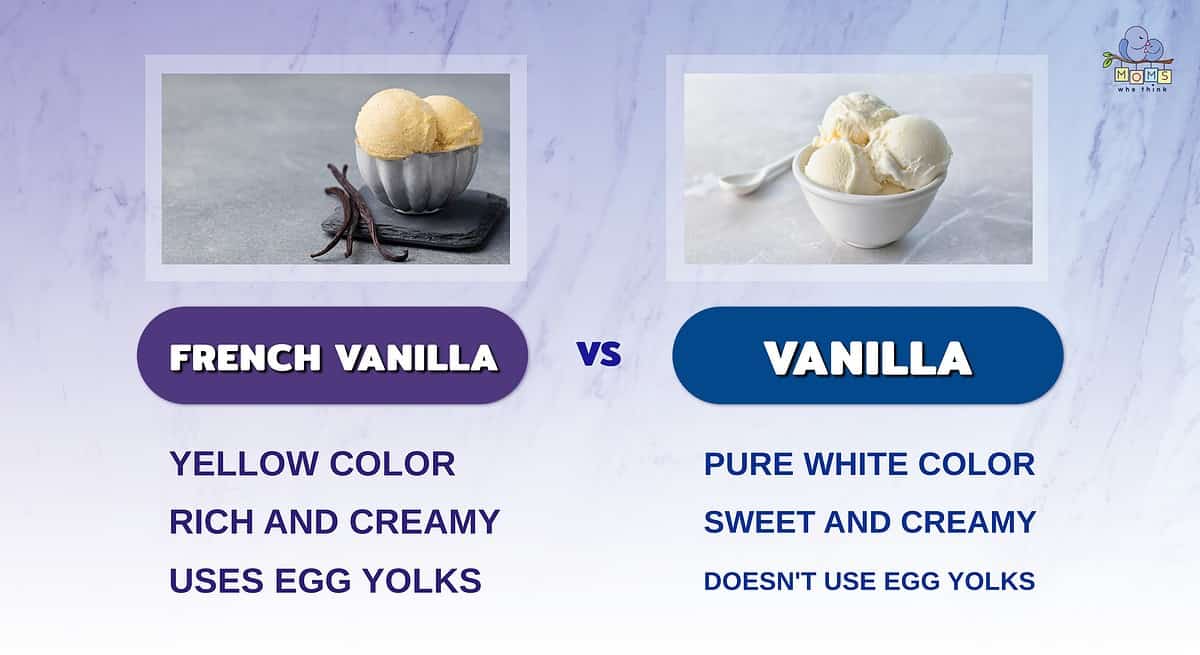
Now for the fun part: the visual and textural showdown. Picture a scoop of classic Vanilla: it’s a pure, unblemished white or pale yellow—frothy, smooth, and perfect for a root beer float. Now picture Vanilla Bean: it’s speckled with tiny black dots, like a starry night sky condensed into dairy. Those specks aren’t just for show; they deliver tiny bursts of flavor that dance on your tongue. Ever bit into a vanilla bean crème brûlée and felt that luxurious, almost gritty pop? That’s the bean’s gift. In ice cream, it creates a more layered experience—the vanilla flavor evolves as you eat, starting sweet and finishing with a warm, orchid-like perfume. The extract version is cheerful and straightforward; the bean version is a story unfolding with every lick.
Must Read
Let’s get creative with real-world examples. Imagine making a classic banana split: for the kids, a scoop of plain Vanilla (extract-based) is a reliable canvas for rainbow sprinkles and chocolate syrup. But for an adult dinner party? Swap in Vanilla Bean, then drizzle it with a balsamic reduction and fresh strawberries. The speckles make it look handmade and fancy, and the deeper flavor cuts through the sweet fruit. Or think about affogato—espresso poured over ice cream. Plain Vanilla works, but Vanilla Bean elevates it: the hot coffee melts the cream and releases the bean’s floral notes, creating a drink that’s both bold and delicate. My personal favorite trick? Use Vanilla Bean ice cream as a base for homemade milkshakes—add a splash of bourbon or salted caramel, and the specks make it look like you spent hours fussing. (You didn’t.)
Here’s your practical advice: read the label, not the hype. If it says “natural vanilla flavor,” it’s likely extract-based, though some premium brands use a mix of extract and ground beans. To get the real experience, look for “vanilla bean” in the name and an ingredient list that includes vanilla bean seeds or vanilla bean paste. Price is another clue: vanilla beans cost a fortune (they’re hand-pollinated!), so a cheap “vanilla bean” pint probably uses extract with a few specks of fake bean. For a DIY option, buy vanilla bean paste online—it has the specks and flavor of the pod, but it’s easier to mix into homemade ice cream or even pancake batter. Don’t be afraid to experiment: once you taste the real thing, you’ll never go back to “plain vanilla” without a tinge of regret.
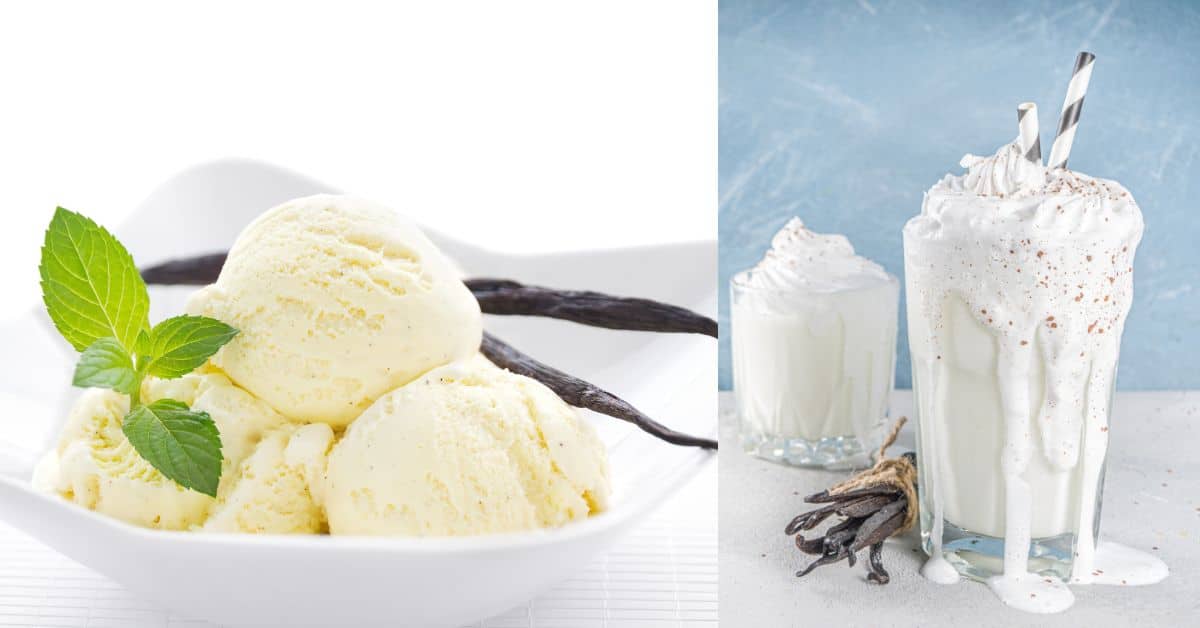 French Vanilla vs Vanilla Bean Ice Cream: Taste the Difference!
One more tip: consider the company it keeps. Vanilla extract ice cream shines in dishes where it’s not the star—like afloat in a frosty Coke float or blended into a smoothie. Vanilla bean ice cream is a solo headliner. Serve it with a simple slice of warm apple pie, and the bean’s complexity will harmonize with the cinnamon and sugar without being overshadowed. If you’re making a dessert that uses vanilla as a background note, like a chocolate fondant, regular Vanilla is fine. But when the dessert is about the ice cream itself—like a vanilla-centric affogato or a single scoop on a warm brownie—always choose the bean. Your taste buds will thank you.
In the end, the difference between Vanilla and Vanilla Bean ice cream boils down to this: one is a reliable friend; the other is a memorable romance. Vanilla extract is the workhorse—cheap, cheerful, and perfect for everyday baking and towering sundaes. Vanilla bean is the artisan—a little pricier, a touch more fragile, but offering a depth that lingers. My advice? Keep a small tub of Vanilla Bean in your freezer for moments of quiet indulgence, and a big tub of regular Vanilla for parties and emergencies. Either way, you’re winning. Now go grab a spoon—and maybe a magnifying glass to admire those beautiful specks.

