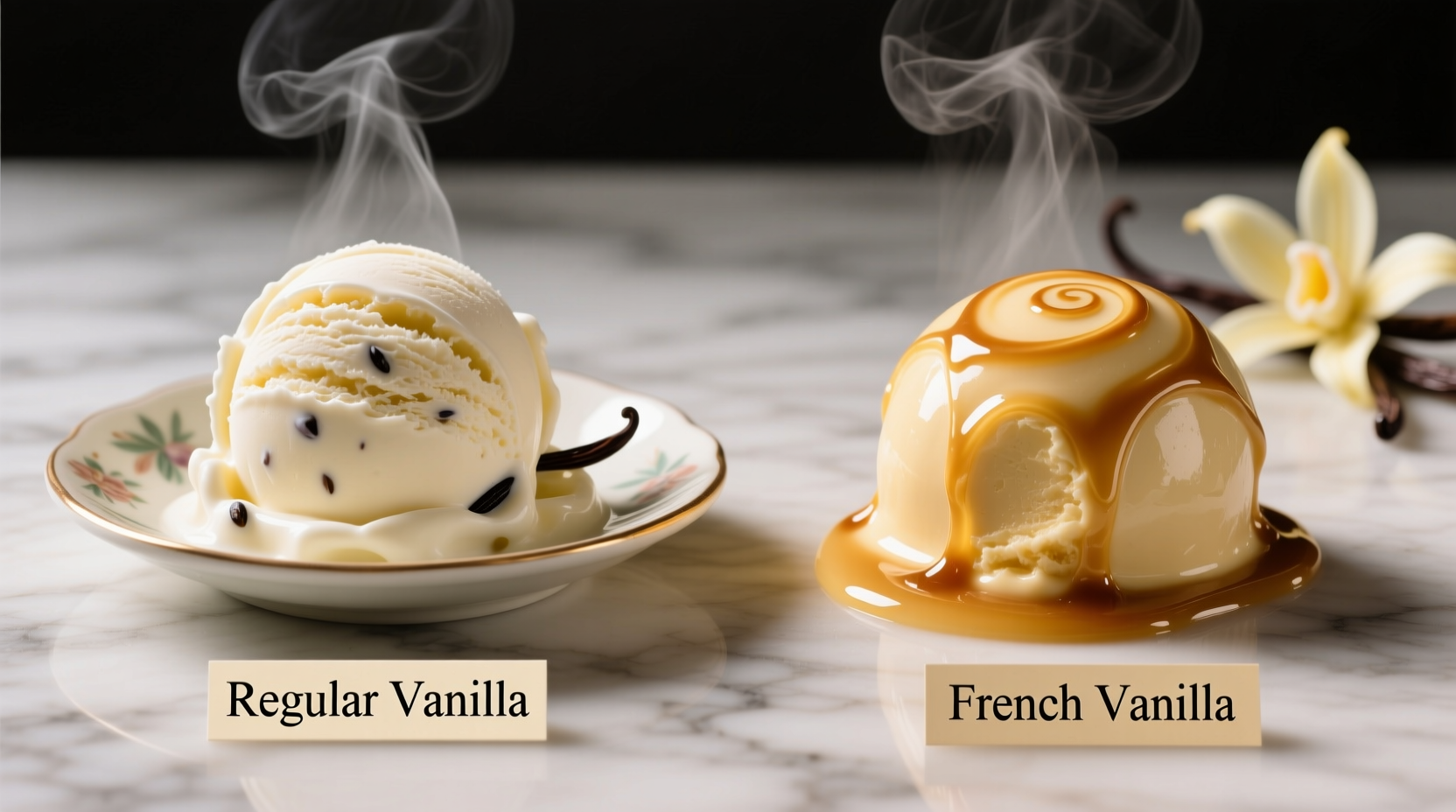
Difference Between Vanilla And French Vanilla

Okay, let’s settle a debate that has haunted coffee shops, bakeries, and late-night ice cream cravings for centuries (okay, maybe just a few decades). What, exactly, is the di...
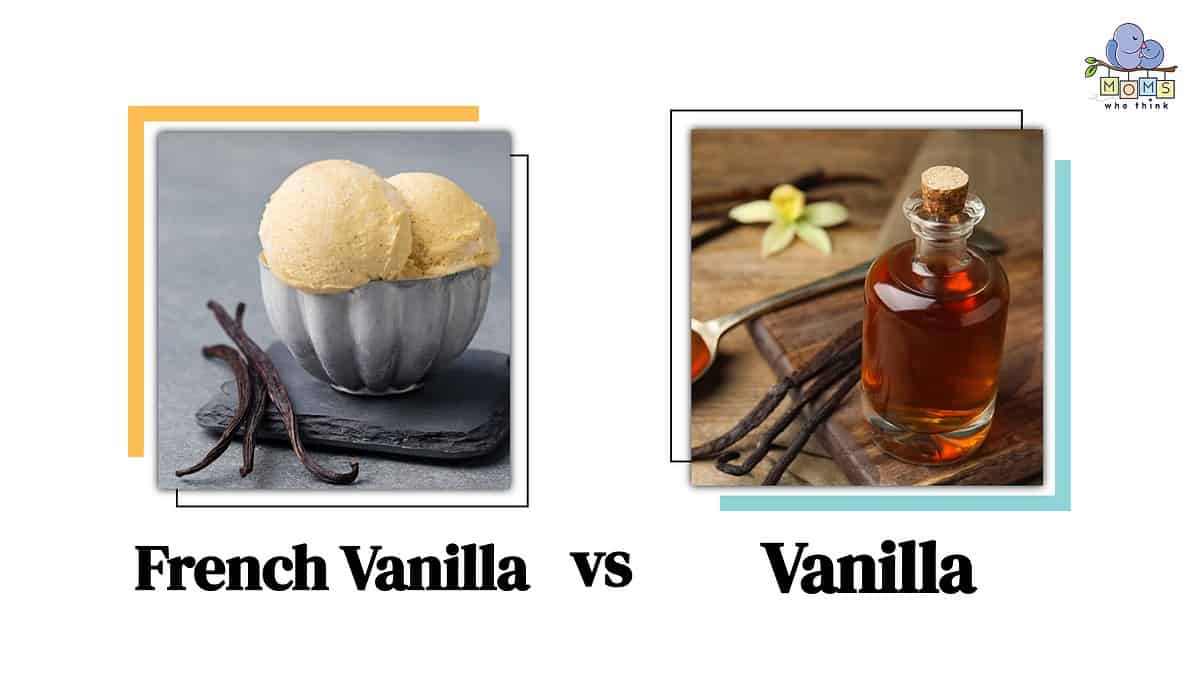
Okay, let’s settle a debate that has haunted coffee shops, bakeries, and late-night ice cream cravings for centuries (okay, maybe just a few decades). What, exactly, is the difference between plain, old vanilla and its fancy, beret-wearing cousin, French vanilla? If you’ve ever stood in the freezer aisle, squinting at labels, convinced one is just trying to sound more sophisticated, you’re not alone. Grab a spoon; we’re getting to the bottom of this.
Let’s start with our trusty friend: Vanilla. Think of it as the little black dress of the flavor world. It’s elegant, reliable, and goes with everything. In your average container of vanilla ice cream or bottle of extract, you’re getting the flavor of the vanilla bean —usually a blend of beans from places like Madagascar, Indonesia, or Tahiti. That warm, familiar, slightly sweet and floral taste comes almost entirely from the bean itself. It’s straightforward, honest, and it does not have an ego. It’s the friend who shows up to your housewarming party with a six-pack and says, “Just throw it in the cooler.”
Now, enter French Vanilla, the life of the party who walks in wearing a silk scarf and carrying a baguette. The name can be a little misleading, because the “French” part isn’t about where the bean comes from. You don’t need a passport to make it. Instead, it refers to the traditional French method of making ice cream custard. This method involves using an egg yolk base. Yes, those sunny little golden spheres are the secret ingredient.
Must Read
That egg yolk changes everything. While standard vanilla ice cream (often called Philadelphia-style) is made simply with cream, sugar, and vanilla, French vanilla adds the richness and velvety texture of cooked custard. The result? A denser, creamier, and more indulgent flavor profile. It doesn’t just taste like vanilla; it tastes like extravagance. It has a subtle, almost buttery undertone from the eggs, making it feel less like a scoop and more like a dessert. If regular vanilla is a warm hug, French vanilla is a hug from someone wearing cashmere.
So, when you reach for that French vanilla coffee creamer or ice cream, you’re not just getting “fancy vanilla.” You’re getting that distinctive, almost savory richness that standard vanilla just can’t match. And here’s a fun twist: a lot of commercial “French vanilla” products (looking at you, coffee syrups) skip the actual egg yolks and just use artificial flavorings that mimic that custard taste. Rude, I know. But it’s a testament to how much we love that specific flavor profile.
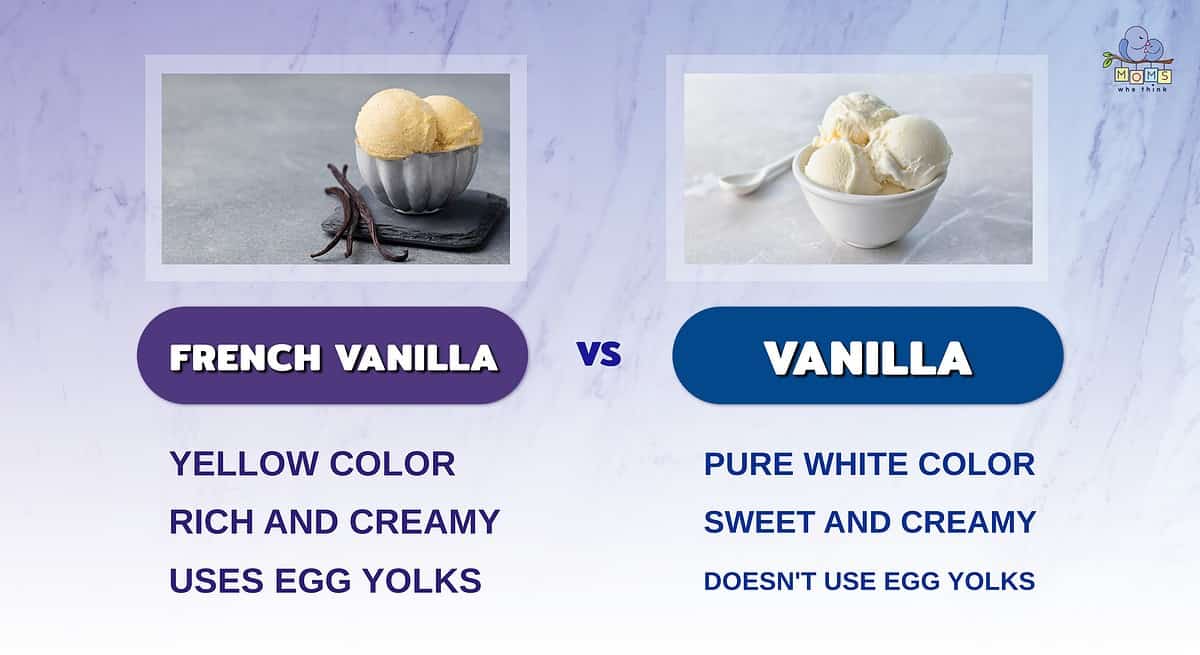 French Vanilla vs. Vanilla: Taste Differences & When To Use Each Flavor
Which one should you choose? It depends on your mood. Are you hosting a rustic apple pie? Go for the classic vanilla—it lets the fruit shine. Are you making a ridiculously decadent crème brûlée or just need a comfort pick-me-up on a rainy Tuesday? That’s when you call in the big guns: French vanilla. It’s the difference between a perfectly brewed cup of black coffee and a velvety latte with a dollop of whipped cream. Both are wonderful, but one has a little more je ne sais quoi.
At the end of the day, here’s your takeaway: Vanilla is the soul of the flavor, quiet and true. French vanilla is the personality—the one with the dramatic backstory and the fabulous lipstick. Both deserve a spot in your freezer (and your heart). So next time someone asks which one you prefer, just smile and say, “Why choose? Life is too short for boring flavor, and too short not to have both.” Now go treat yourself. You've earned that scoop.