Difference Between String Beans And Green Beans

Let’s be honest for a second. You have stood in the grocery store produce section, staring at a bin of long, green vegetables, and your brain has asked the most existential qu...
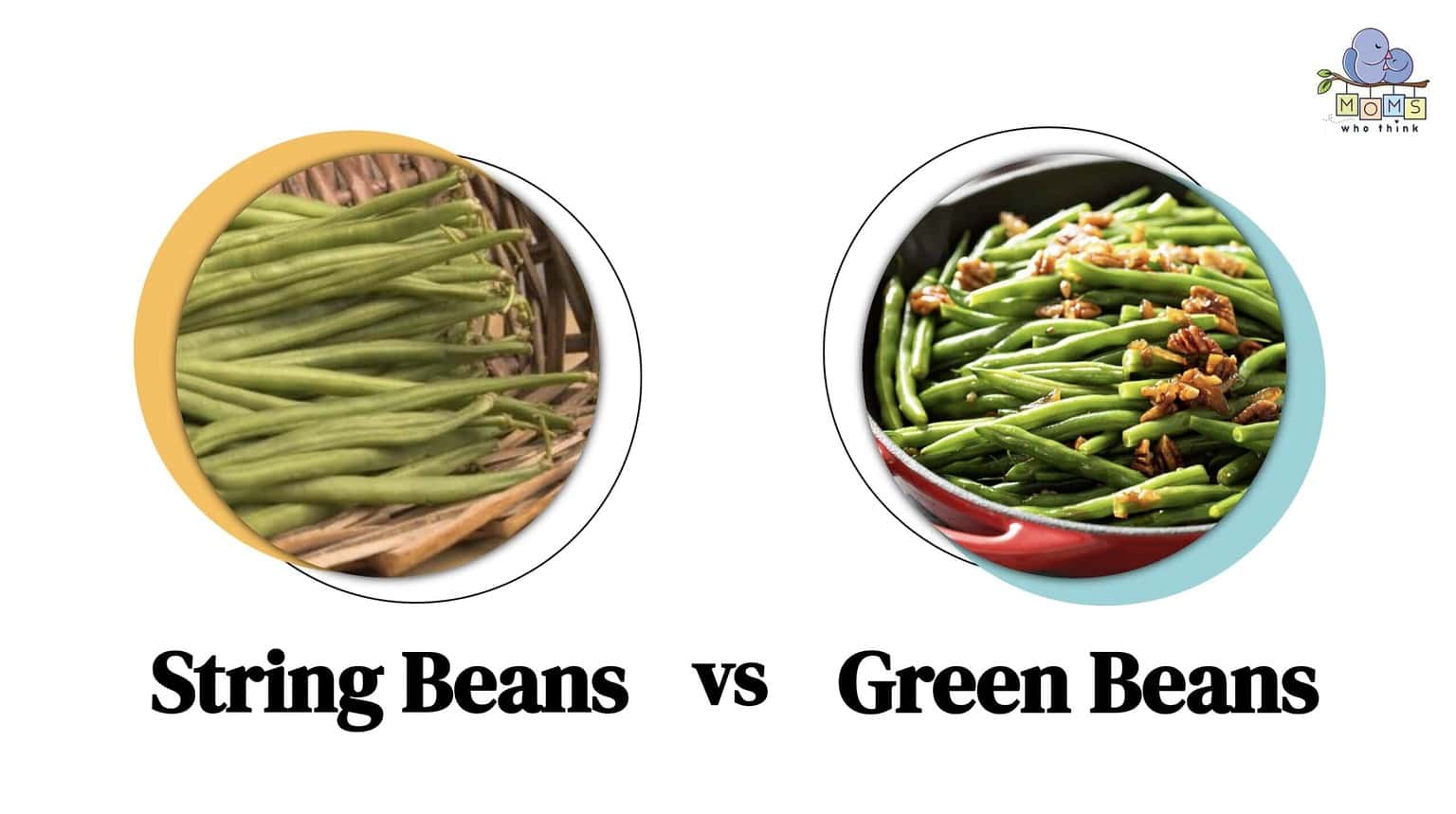
Let’s be honest for a second. You have stood in the grocery store produce section, staring at a bin of long, green vegetables, and your brain has asked the most existential question of the week: “Is there actually a difference between string beans and green beans?” The answer is a glorious, confusing mess of history, botany, and a literal piece of string. Grab your coffee, because we are settling this once and for all—without getting your fingers sticky.
The Great Origin Story: It’s All About the String
Once upon a time, in a garden far, far away, the first green beans were not the tender, snap-happy friends we know today. They were tough, leathery, and came equipped with a built-in, tough-as-nails fiber running down the seam of the pod. You had to pull that fiber off, like you were unzipping a tiny, green sleeping bag, before you could eat the bean.
That fibrous “string” is why our ancestors called them string beans. It wasn’t a trendy nickname; it was a warning. For many years, if you didn’t de-string your bean, you’d be chewing on what felt like dental floss made of a garden hose. It was a workout, not a side dish.
Must Read
Then, in the late 19th century, a genius plant breeder named Calvin Keeney (a hero in my book) developed the first stringless bean. He basically told Mother Nature, “Your zipper is annoying. I’m removing it.” And just like that, the green bean was born—convenient, tender, and ready for prime time.
So, Is There Any Real Difference Today?
Here is the funny part: Botanically speaking, they are the exact same thing. Both are the unripe, young pods of the plant Phaseolus vulgaris. It’s like the difference between calling a tomato a “fruit” and calling it a “salad ingredient.” Both are true, but one is a historical artifact and the other is a modern convenience.
If you buy a bag labeled “string beans” today, it’s almost certainly the same variety as the “green beans” in the next bin. The term “string bean” is just the old-school nickname that stuck around, even though the actual string has been practically bred out of existence. It’s like calling a modern smartphone a “camera phone”—technically correct, but you’re dating yourself.
However, there is a sneaky exception. Some heirloom bean varieties, like the Kentucky Wonder or the Scarlet Runner, still have a noticeable string. If you buy these at a farmers’ market, you will be doing the ancient “snap and pull” dance. Congratulations, you are now a colonial-era chef.
 Green Beans vs. String Beans - What's The Difference?
The Color and Shape Conspiracy
You might think the color is the giveaway. But this is where things get wild. Green beans aren’t always green. There are yellow wax beans, purple beans that turn green when cooked, and even purple and yellow striped beans. None of these are called “string beans,” but they are all the same species. The color is just a taxonomist’s practical joke.
And the shape? Most green beans are round or slightly oval. But there is also a flat, wide bean called the Romano bean or Italian flat bean. Some people call it a “string bean” because of its shape, even though Romano beans are usually stringless. It’s chaos. Enjoy the anarchy.
Why Cheap Beans Taste Better Than Fancy Ones
Here is a surprising, science-backed fact that will make you feel like a genius: Smaller, thinner green beans are often sweeter and more tender than those giant, fat ones you see at the supermarket. The big ones have been sitting on the plant too long, turning starchier. You want the ones that look like they’re still deciding whether to be a stem or a pod.
Also, never cook a fresh green bean for more than four minutes unless you are making soup. Overcooking turns them into a drab, soggy olive-green mess with the texture of wet string cheese. And that is our fault, not the bean’s. The French call properly cooked beans “al dente”—to the tooth. We should call them “beans that still remember they were once alive.”
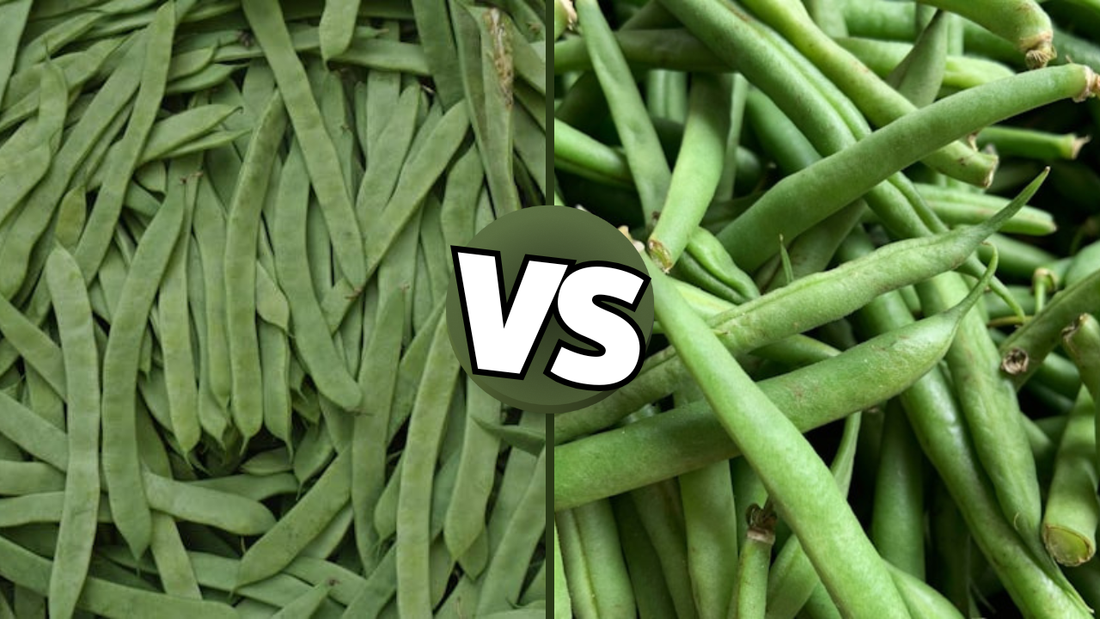 String Beans vs Green Beans: Names, Uses, & Key Differences – Grow Organic
One more weird fact: a single green bean plant can produce over 100 pods in a season. That is approximately 100 side dishes that nobody asked for, but you eat anyway because grandma made them. That’s real power.
The Final Verdict: Just Call Them Whatever You Want
In the end, using the term “string bean” versus “green bean” is like arguing whether a penguin is a bird or a formal tuxedo enthusiast. One is the biological truth, the other is a cultural vibe. Most Americans under 40 say “green bean.” Your grandmother calls them “string beans” and she will pinch your cheek if you correct her.
So, here is my official, authoritative, café-table-approved advice: Buy whatever looks good. Snap one in half. If it makes a crisp snap sound, you’ve won. If it just bends like a yoga instructor, put it back. The difference between string beans and green beans is one tough fiber and about a hundred years of breeding. That’s it. That’s the whole show.
Now go steam those things with some butter and garlic, and stop worrying. Beans don’t care what you call them. They just want to be eaten before they wrinkle up and turn into dry legumes. And trust me—you do not want to try to snap a dry legume. That’s a dental visit waiting to happen.
